
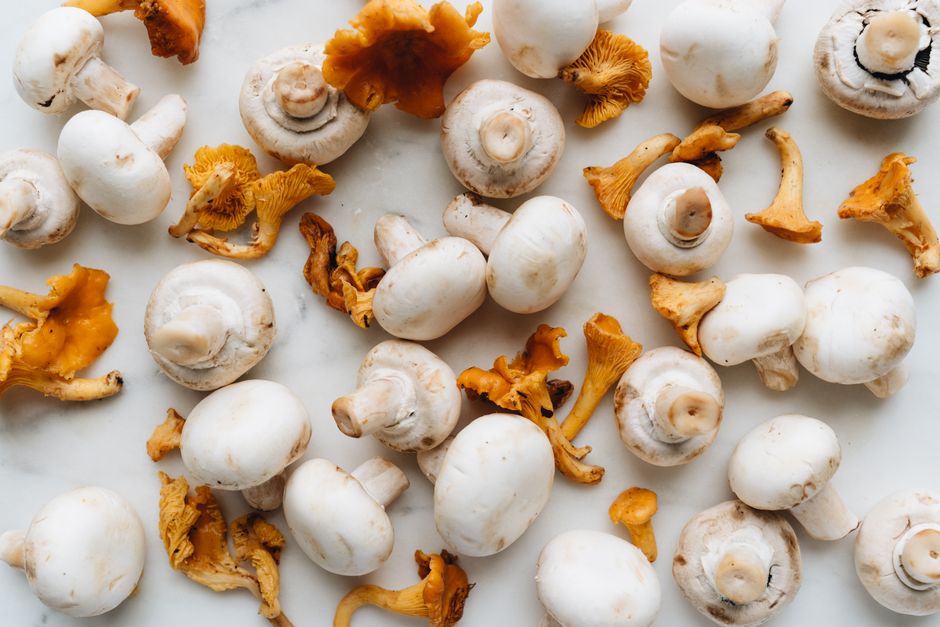
Eating spoiled mushrooms can cause food poisoning, and in some cases it can be serious. The outcome depends on two very different things: whether the mushrooms were simply past their prime, or whether they were a toxic species to begin with. Those are not the same problem, and confusing them is where people get into trouble.
If the mushrooms were ordinary store-bought or home-cooked varieties that had started to rot, the most likely result is stomach upset within a few hours. If they were a wild species that happens to be poisonous, the reaction can be far more severe and is a medical emergency. Knowing which situation you are in matters more than anything else.
What Happens If You Eat Spoiled Mushrooms?
Spoiled mushrooms are a food safety problem, not a poisoning problem, in most cases. When a mushroom decays, bacteria, mold, and their byproducts build up on and inside it. Eating that material can trigger nausea, vomiting, stomach cramps, and diarrhea, usually within a few hours.
The discomfort comes from two sources. First, the microbes themselves. Second, the waste products they leave behind, which can irritate the gut lining. Some molds also produce mycotoxins, though the levels found on a spoiled food item are not the same as the dangerous doses studied in contaminated grain supplies.
Most healthy adults recover on their own within a day or two with rest and fluids. The main risk during that window is dehydration, especially if vomiting and diarrhea are both present. Young children, older adults, pregnant women, and people with weakened immune systems tend to have a harder time and should be watched more closely.
Is Eating Spoiled Mushrooms the Same as Eating Poisonous Mushrooms?
No, and this distinction is the single most important thing to understand. Spoilage and toxicity are separate problems with separate timelines and separate levels of danger.
Spoilage is about decay. The mushroom was edible once, and now it is not, because microbes have moved in. Toxicity is about the mushroom itself. Some species contain compounds that damage the liver, kidneys, or nervous system regardless of how fresh they are.
This is why “it looked fine” is not reassuring when the mushroom came from the wild. A deadly species can look completely fresh, firm, and appetizing. Freshness tells you nothing about whether a wild mushroom is safe.
There is also a third scenario worth naming. A person eats a mushroom they believe is safe, and later feels sick. They assume the mushroom was spoiled. In reality, they may have misidentified a toxic species. This confusion is common and it delays treatment.
How Soon Do Symptoms Start After Eating Bad Mushrooms?
Timing is one of the most useful clues a doctor has, and it differs sharply between spoilage and toxicity.
With spoiled food, symptoms typically begin within a few hours. Nausea often comes first, followed by vomiting or diarrhea. The body is trying to expel something it recognizes as harmful.
With toxic mushrooms, the timeline is more variable and more telling. Some toxins cause symptoms within 30 minutes to a few hours. Others cause a delayed reaction that can take 6 to 24 hours or longer to appear.
That delay is dangerous. A person may feel completely fine for many hours, assume they got lucky, and not seek care until serious organ damage is already underway. Delayed onset after eating a wild mushroom is a red flag, not a good sign.
If you or someone else ate a wild mushroom and symptoms have not started yet, that absence of symptoms is not proof of safety. It may simply mean the toxin has not finished doing its work.




When Should You Get Medical Help?
Seek emergency care if the mushroom was foraged from the wild, if more than one person is sick, or if symptoms include severe abdominal pain, persistent vomiting, blood in stool, confusion, dizziness, or difficulty breathing.
Get help right away if symptoms appeared more than six hours after eating a wild mushroom. That delayed pattern is associated with some of the most dangerous toxins, and early treatment improves outcomes.
For a suspected toxic mushroom, call Poison Control immediately. In the United States, the number is 1-800-222-1222, and it operates 24 hours a day. Do not wait for symptoms to worsen before calling.
If possible, save the remaining mushrooms or a photo of them. Identification helps clinicians choose the right treatment. Do not eat more to “test” whether they were the problem.
For typical spoiled-food illness in a healthy adult, medical care is usually not needed unless symptoms are severe, last more than a few days, or signs of dehydration appear, such as dark urine, dry mouth, or dizziness when standing.
What Makes Spoiled Mushrooms Risky to Eat?
Mushrooms are mostly water and they spoil faster than most produce. Once picked, they begin to lose moisture and break down. Their soft, damp surface is a good environment for bacteria and mold.
Several things raise the risk:
- Mushrooms left at room temperature for long periods
- Slimy, dark, or shriveled texture
- A sour or ammonia-like smell
- Visible mold, especially green, black, or fuzzy patches
- Mushrooms cooked and then left out for hours
Any one of these is a reason to throw them out. Cooking does kill many microbes, but it does not reliably remove toxins that molds and bacteria have already produced. Reheating a spoiled mushroom dish does not make it safe.
One point that surprises people: washing or trimming off the bad spots does not fix the problem. If mold is visible on the surface, its threads have often spread deeper into the food, even where you cannot see them.
What Should You Do If You Already Ate Them?
Do not try to make yourself vomit. That is outdated advice and it can cause additional harm, particularly if a caustic substance or sharp fragments are involved.
Note the time you ate and the time symptoms began. Write it down if you can. This single detail helps clinicians enormously.
Drink small sips of water or an oral rehydration solution to replace lost fluids. Avoid dairy, alcohol, and heavy or greasy food until you feel better.
If the mushrooms were wild, call Poison Control even if you feel fine. If they were spoiled but store-bought, monitor your symptoms and seek care if they are severe or do not improve.
Do not take anti-diarrheal medication without asking a clinician first. In some cases, diarrhea is the body’s way of clearing the problem, and stopping it can make things worse.
Can You Die From Eating Spoiled Mushrooms?
Death from ordinary spoiled food is very rare in healthy adults. Severe dehydration or a serious bacterial infection can become life-threatening, particularly in vulnerable people, but this is uncommon.
Death from toxic mushrooms is a real and documented risk. Certain species, including some in the Amanita group, contain toxins that can cause liver failure. These poisonings account for a meaningful share of serious mushroom-related deaths worldwide.
This is the reason public health agencies repeatedly warn against eating wild mushrooms unless they have been identified by a qualified expert. Identification from a photo, an app, or a friend’s memory is not reliable.
There is no simple home test that tells you whether a wild mushroom is safe. Folk methods involving silver spoons, onions, or peeling do not work. None of them are supported by evidence.
How Do You Prevent This in the First Place?
Refrigerate fresh mushrooms soon after buying them. A paper bag or a loosely vented container works better than a sealed plastic bag, which traps moisture and speeds spoilage.
Use them within a few days. If you cannot, cook them and freeze the cooked portion, which extends their usable life considerably.
When in doubt, throw them out. The cost of a wasted package is trivial compared with the cost of a hospital visit.
For wild mushrooms, the rule is simple and firm: if you are not an experienced forager or working with one, do not eat them. No meal is worth that risk.
Frequently Asked Questions
How long after eating spoiled mushrooms do you get sick?
Symptoms usually start within a few hours of eating spoiled mushrooms. If a wild mushroom is involved and symptoms appear more than six hours later, that delay is a warning sign and you should seek medical care.
Can you get food poisoning from cooked mushrooms that went bad?
Yes. Cooking kills many microbes but does not reliably destroy the toxins they have already produced. Reheating a spoiled mushroom dish does not make it safe to eat.
What should I do if I ate a wild mushroom by mistake?
Call Poison Control right away at 1-800-222-1222, even if you feel fine. Save the remaining mushrooms or a photo to help with identification, and do not wait for symptoms to appear.
Do you always get sick from eating spoiled mushrooms?
No. Not everyone who eats spoiled food becomes ill, and the reaction depends on the type and amount of microbes present. However, you cannot predict whether you will be affected, so discarding spoiled mushrooms is the safer choice.
