
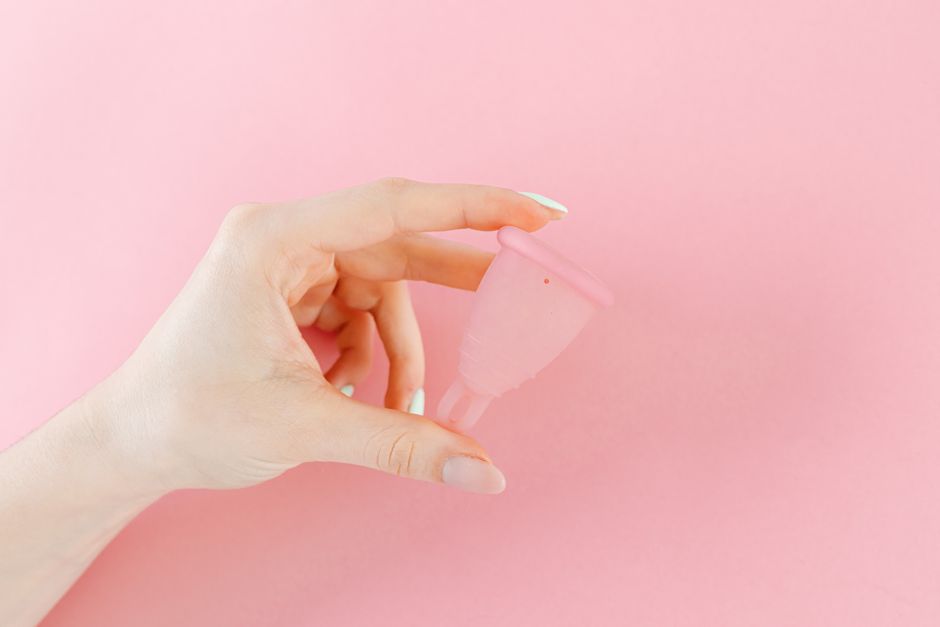
Silicone rubber is not food, and your body cannot digest it. If you swallow a small piece of silicone — like a fragment of a spatula, a piece of a phone case, or a silicone bead — it will almost certainly pass through your digestive tract and come out in your stool within a few days.
That is the short answer for small, soft pieces. The longer answer depends on how big the piece is, whether it is pure silicone or a mix of materials, and whether it gets stuck somewhere along the way. Most accidental swallows are not dangerous. Some are. Knowing the difference matters.
Does Silicone Rubber Pass Through Your Body?
Yes, in most cases. Your digestive system is a long muscular tube that moves material along through a process called peristalsis. It does not break down silicone the way it breaks down bread or chicken.
Silicone rubber is a synthetic polymer built around a silicon-oxygen backbone. That structure is chemically stable and resistant to the acids and enzymes in your stomach and intestines. Your body has no enzyme that can cut those bonds. So the material stays intact and gets pushed along the same path as any other indigestible object.
This is why small silicone pieces usually show up in the toilet within a few days. The exact timing varies from person to person and depends on your normal digestion. There is no standard number of hours or days that applies to everyone.
One clarification worth making: silicone is not the same as silica gel. Those little packets labeled “do not eat” that come in shoe boxes and vitamin bottles contain silica gel, a form of silicon dioxide. Silicone rubber is a different material entirely, though both are often confused in everyday conversation.
What Happens If You Eat Silicone Rubber: Is It Toxic?
Silicone rubber is generally considered non-toxic when swallowed in small amounts. It is not absorbed into your bloodstream, and it does not release meaningful amounts of harmful chemicals in your gut under normal conditions.
This is one reason food-grade silicone is widely used for bakeware, baby bottle nipples, spatulas, and food storage bags. Those products are made to withstand heat and contact with food without breaking down or leaching. That does not mean silicone is meant to be eaten. It means small accidental swallows are unlikely to poison you.
The word “generally” is doing real work in that sentence. It applies to pure, food-grade silicone. It does not automatically apply to every silicone-containing product.
When a Swallowed Piece of Silicone Becomes a Problem
Size is the main concern. A piece small enough to pass through the narrowest parts of your digestive tract will usually keep moving. A piece too large to pass can get stuck.
The narrowest points are in the esophagus, the stomach outlet, and the small intestine. If a piece lodges there, it can cause a blockage. This is a medical emergency, not a wait-and-see situation.
Signs that something may be stuck include:
- Severe or worsening abdominal pain
- Vomiting, especially repeated vomiting
- Inability to keep fluids down
- Bloating and a swollen belly
- No bowel movement or no gas passing
- Difficulty swallowing or chest pain after the swallow
These symptoms do not always mean a blockage. They can have other causes. But after a known swallow of a non-food object, they should be taken seriously and checked by a doctor right away.





Does the Type of Silicone Matter?
It can. Not all products called “silicone” are pure silicone.
Food-grade silicone is manufactured to a standard that limits certain additives and byproducts. Industrial silicone, adhesives, sealants, and some cheap imported products may contain fillers, plasticizers, or other compounds mixed into the silicone. Those additives are the part that raises questions, not the silicone itself.
There is no reliable way to tell from looking at a piece which type it is. If you know what the object came from, that helps. If you do not, treat it as unknown and let a medical professional decide whether it matters.
This is also where a common myth falls apart. Some people assume that because silicone is “inert,” any silicone object is safe to swallow. Inertness describes how the material behaves chemically. It says nothing about whether a large or sharp object can physically pass through your gut. Physical obstruction and chemical toxicity are two separate risks, and the physical one is usually the bigger concern with a swallowed object.
What to Do After Swallowing Silicone Rubber
Stay calm and assess what was swallowed. A small, soft, rounded piece in an otherwise healthy adult usually does not require emergency care. A large piece, a sharp piece, or any swallow by a child needs medical attention.
Do not try to make yourself vomit. Do not push on your abdomen to try to move the object along. Do not take laxatives unless a doctor tells you to.
Call your doctor or a poison control center for guidance. In the United States, poison control can be reached at 1-800-222-1222. They handle non-food swallows and can tell you whether you need to be seen.
Go to an emergency department if the person who swallowed it is a child, if there is any trouble breathing, if there is severe pain, or if the object was sharp or large.
For small pieces that a doctor says can pass on their own, the usual approach is to watch for the object in the stool and watch for symptoms. Some clinicians suggest checking stools for a few days. There is no standard recommendation that applies to every case, so follow the specific advice you are given.
Children and Swallowed Silicone
Children are a different situation. Their digestive tracts are smaller, and a piece that would pass easily in an adult can be too big for a child to move through.
Young children also cannot always describe what they are feeling, which makes early warning signs harder to catch. Any suspected swallow of a non-food object by a child should be evaluated by a medical professional. This is not a case for watching at home first.
Silicone teething toys, pacifiers, and bottle nipples are common sources of small swallowed fragments. If a piece breaks off and you are not sure whether the child swallowed it, treat it as a possible swallow and get advice.
How This Compares to Other Swallowed Objects
Silicone is one of the more forgiving materials to swallow, mainly because it is soft and does not usually have sharp edges. That is not true of everything.
| Object type | Main concern | General approach |
|---|---|---|
| Small soft silicone piece | Usually passes; low toxicity risk | Watch and get advice |
| Button battery | Severe chemical burn within hours | Emergency care immediately |
| Sharp object (pin, glass) | Perforation of the gut wall | Emergency care immediately |
| Large object | Blockage | Medical evaluation |
| Magnets (two or more) | Can pinch and damage tissue between them | Emergency care immediately |
Button batteries and magnets deserve special mention because they are far more dangerous than silicone and often swallowed by children. A button battery can cause serious injury in a short time. If there is any chance a battery or magnet was swallowed, skip the waiting and go straight to emergency care.
Frequently Asked Questions
Will a piece of silicone rubber come out on its own?
A small, soft piece usually passes through and appears in the stool within a few days. A large or sharp piece may not pass and can require medical care.
Is silicone rubber poisonous if you swallow it?
Pure food-grade silicone is generally considered non-toxic when swallowed in small amounts because it is not absorbed by the body. Products that mix silicone with other chemicals are less predictable, and there is no reliable way to identify them by sight.
Should I make myself throw up after swallowing silicone?
No. Inducing vomiting is not recommended and can cause harm if the object is sharp or large. Call a doctor or poison control for guidance instead.
When should I go to the emergency room?
Go immediately if a child swallowed it, if there is trouble breathing, severe pain, vomiting that will not stop, or if the object was sharp, large, a button battery, or a magnet.
