
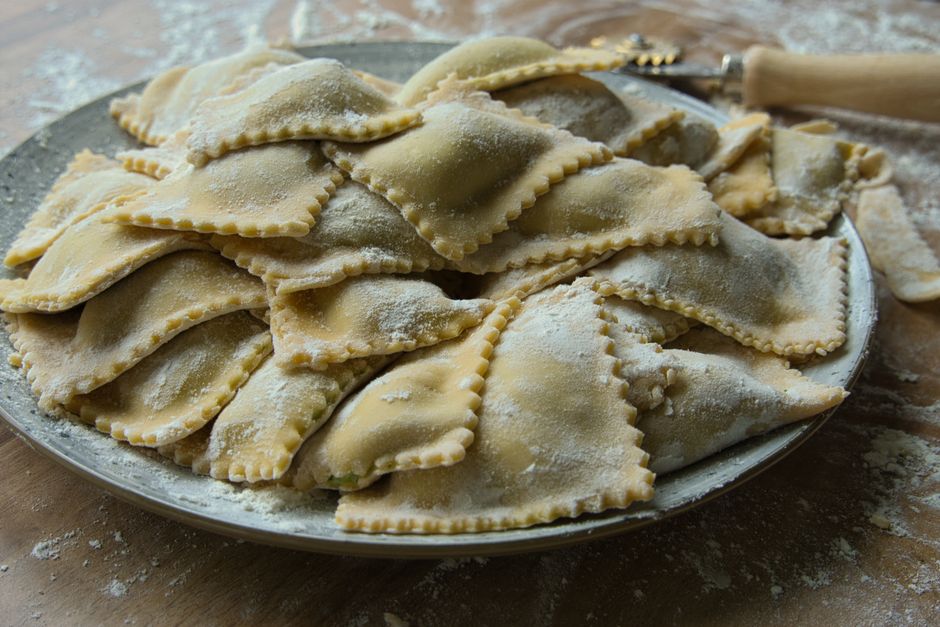
Eating expired ravioli is usually not dangerous, but it depends on what kind of ravioli it is and how it was stored. Shelf-stable canned ravioli that is a few weeks or months past its date is generally low risk if the can is intact. Fresh or refrigerated ravioli past its date is a different situation, because it is a perishable food that can grow harmful bacteria. Most people who eat slightly expired ravioli get no sick at all. The real risk comes from spoiled product, damaged packaging, or food left too long in the refrigerator.
What Does the Date on Ravioli Actually Mean?
Most date labels on food are not safety dates. They are the manufacturer’s estimate of when the product is at its best quality. That distinction matters a lot here.
In the US, there is no federal requirement to put a safety date on most foods. Aside from infant formula, date labels are largely about quality, not safety. A “best by” date tells you when the maker thinks flavor and texture peak. It does not mean the food turns dangerous the next day.
So the first thing to check is which type of ravioli you have:
- Shelf-stable canned ravioli — commercially sterile, sealed, and safe for a long window past the date if the can is undamaged.
- Refrigerated fresh ravioli — perishable, and the date is much closer to a real safety limit.
- Frozen ravioli — kept frozen, it stays safe far beyond the printed date, though quality fades.
The date is a starting point. Storage conditions decide what actually happens.
What Happens If You Eat Expired Canned Ravioli?
Canned ravioli is cooked and sealed under heat so that it is commercially sterile. That process is why an intact can holds up well past its date. If the can is undamaged and was stored at normal room temperature, eating it a few months past the date is generally low risk.
The main changes are to quality, not safety. The pasta may soften, the sauce may darken, and the flavor may dull. None of that makes you sick.
The danger with canned food is a damaged can, not the date. A bulging can, a deep dent on the seam, a leak, or a foul smell when you open it are reasons to throw it out. A bulging can is a particular warning sign, because it can mean gas-producing bacteria are growing inside. Never taste food from a bulging, leaking, or badly dented can. Discard it.
One clarification worth knowing: commercially canned ravioli is not the same as home-canned food. Home canning carries real risks of serious illness when done incorrectly. Commercially sealed cans do not share that risk if the can is intact.
What Happens If You Eat Expired Fresh or Refrigerated Ravioli?
Fresh ravioli is a moist, protein-rich food, and that makes it a good home for bacteria. This is where the date matters most. Fresh pasta and filled pasta should be kept refrigerated and eaten by the date on the package, or frozen if you will not use it in time.
Once fresh ravioli is past its date, the risk of foodborne illness rises. The bacteria of concern in perishable foods include Listeria, Salmonella, and Staphylococcus aureus, among others. Some of these can multiply even at refrigerator temperatures, which is why time matters and not just temperature.
Signs that fresh ravioli has spoiled include a sour or off smell, slimy texture, discoloration, or visible mold. If any of these are present, throw it out. Do not try to salvage it by cooking, because cooking does not reliably destroy all toxins that bacteria can leave behind.
If the ravioli looks and smells normal but is a day or two past its date, the risk is lower but not zero. The cautious choice is to discard fresh product that is clearly past its date, especially if you are pregnant, older, very young, or have a weakened immune system.





Who Is at Higher Risk From Spoiled Food?
Foodborne illness can affect anyone, but some groups get hit harder. For these people, the safe move with questionable fresh food is to throw it out rather than risk it.
- Pregnant women, because some infections can harm the pregnancy.
- Older adults, whose immune systems may respond less strongly.
- Young children, whose bodies are smaller and more vulnerable to dehydration.
- People with weakened immune systems from illness or certain medications.
For these groups, the margin for error with perishable food is smaller. The date on fresh ravioli deserves more respect.
How Do You Know If Expired Ravioli Is Still Safe?
You cannot confirm safety by look or smell alone. Harmful bacteria do not always change the appearance or odor of food. That is a key limit to keep in mind.
What you can do is check for clear warning signs and use the type of product and its storage history to judge risk. Ask yourself:
- Is it canned, fresh, or frozen?
- Was it stored correctly the whole time?
- Is the packaging intact, or bulging, dented, or leaking?
- Does it smell or look wrong when opened?
If the can is intact and stored properly, canned ravioli past its date is a low concern. If fresh ravioli is past its date and has any warning sign, discard it. When in doubt with perishable food, throwing it out is the safer call.
What Should You Do If You Feel Sick After Eating It?
Most foodborne illness causes stomach upset that resolves on its own within a short time. Common symptoms include nausea, vomiting, stomach cramps, and diarrhea. The main concern is dehydration, so drinking fluids matters.
Seek medical care if symptoms are severe or do not improve. Warning signs include:
- Blood in the stool.
- High fever.
- Signs of dehydration such as dizziness, little urination, or a dry mouth.
- Vomiting that will not stop.
These are general signs that warrant a call to a doctor. They are not specific to ravioli, and they apply to food poisoning from any source.
How Should You Store Ravioli to Avoid Waste?
Good storage is the simplest way to keep ravioli safe and avoid the whole question. Follow the package directions for each type.
Keep canned ravioli in a cool, dry place and check cans for damage before use. Keep fresh ravioli refrigerated and use it by its date. If you will not finish it in time, freeze it. Frozen ravioli should stay frozen until you cook it, and it should be cooked according to package directions.
The date label is a guide, not a switch that flips food from safe to unsafe. The type of ravioli and how it was stored are what actually decide the risk.
Frequently Asked Questions
Is it safe to eat canned ravioli past its expiration date?
It is generally low risk if the can is intact and was stored properly, since canned ravioli is commercially sterile. Discard any can that is bulging, leaking, or badly dented.
Can expired ravioli make you sick?
Fresh or refrigerated ravioli past its date can make you sick if harmful bacteria have grown. Canned ravioli from an undamaged can is much less likely to cause illness.
Should I throw away fresh ravioli one day past its date?
It is not automatically unsafe one day past the date, but the risk is higher than with canned product. If it smells, looks slimy, or you are in a higher-risk group, discard it.
Does cooking expired ravioli make it safe to eat?
Cooking kills many bacteria but does not reliably destroy all toxins they can leave behind. Cooking is not a reliable way to make clearly spoiled food safe.
