
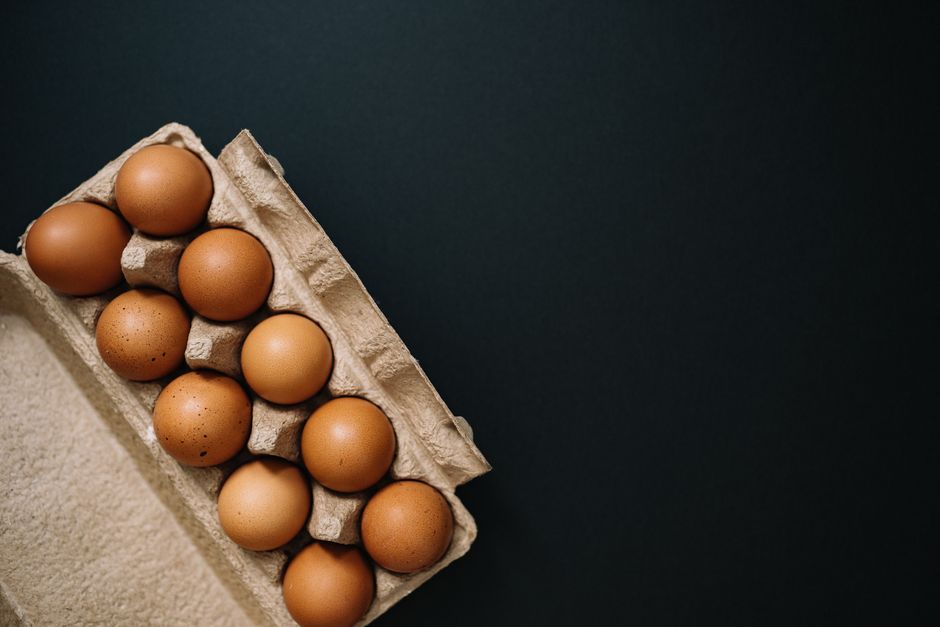
Most of the time, nothing happens. If you eat an egg that is a few days past its printed date, you will probably be fine. That date is not an expiration date, and it is not a safety deadline.
What matters more is how the egg was stored and what it looks like when you crack it open. A cold egg with a clean shell and a normal smell is very unlikely to make you sick, even if the carton date has passed. An egg that has been sitting warm for hours, or one that smells rotten when you break it, is a different story.
The real risk from a bad egg is a foodborne illness, usually from Salmonella bacteria. It is uncommon, but it is real, and it is worth understanding so you know when to cook the egg, when to toss it, and when to call a doctor.
What Does the Date on an Egg Carton Actually Mean?
The date printed on a carton is a quality date, not a safety date. In the United States, egg cartons usually carry a “sell by” or “best by” date, and federal rules generally require that date to fall within 30 days of the day the eggs were packed. That number tells the store when to pull the carton from the shelf. It does not tell you when the egg becomes dangerous.
An egg stored properly in a refrigerator can stay safe to eat well beyond that date. The USDA puts the window at roughly three to five weeks from the day you bring the carton home. That guidance assumes the eggs went into the fridge promptly and stayed there.
Here is a detail many people miss. In the US, most commercial eggs are washed and then coated with a thin layer of food-grade mineral oil to replace the natural protective bloom that washing removes. That is one reason American eggs are refrigerated and why they keep as long as they do.
What Happens If You Eat Eggs That Expired?
In most cases, the answer is nothing at all. The egg is still safe, and your body handles it without any problem. The date on the carton is a freshness marker, not a hazard line, so crossing it does not flip the egg into something dangerous.
If an egg has actually gone bad, the outcome depends on what is growing inside it. A spoiled egg that has been colonized by bacteria may cause nausea, stomach cramps, or diarrhea within hours to a few days. This is a general food poisoning picture, and the timing and severity vary from person to person.
The more serious concern is Salmonella. Some hens carry these bacteria, and they can be present inside an egg before the shell forms, or on the shell from the outside. If you eat an egg contaminated with Salmonella and it is not fully cooked, you can develop a Salmonella infection. Symptoms typically show up within six hours to six days and can include diarrhea, fever, and abdominal cramps. Most healthy adults recover without treatment, but the infection can be serious for young children, older adults, pregnant women, and people with weakened immune systems.
It is worth separating two different things. A spoiled egg smells and tastes foul, and that is your nose warning you off. A Salmonella contaminated egg can look and smell completely normal. That is why cooking eggs thoroughly matters more than sniffing them.
How Can You Tell If an Egg Has Gone Bad?
Your senses catch most bad eggs before they reach your plate. A spoiled egg gives off a clear sulfur or rotten smell, and that odor is hard to mistake once you notice it.
A few practical checks can help:
- Smell it. A rotten or sulfurous odor after cracking is a clear sign to throw it out.
- Look at the yolk and white. A fresh egg has a firm yolk and a thick white that holds together. An old egg spreads out thin and watery. That change reflects age and quality, not necessarily spoilage.
- Check the shell. A cracked, slimy, or powdery shell is a reason to discard the egg.
- Try the water test. A very old egg floats because the air pocket inside has grown as moisture escaped through the shell. Floating suggests the egg is old, though it does not prove it is contaminated.
The water test is a rough freshness gauge, not a safety test. An egg that sinks can still carry Salmonella, and an egg that floats is not automatically dangerous. Treat it as one clue among several, not a verdict.





Does Cooking Kill Bacteria in Old Eggs?
Heat kills Salmonella, and that is the key point for anyone worried about an egg that is past its date. Cooking an egg until both the white and the yolk are firm reduces the risk substantially. The bacteria do not survive thorough cooking.
The risk sits with eggs that stay runny or raw. Soft-boiled eggs, sunny-side-up eggs with a liquid yolk, homemade mayonnaise, raw cookie dough, and eggnog made with raw eggs all leave room for bacteria to survive. If you are using older eggs, cooking them fully is the safer choice.
This is also why public health guidance tells people in higher-risk groups to avoid raw or lightly cooked eggs. Pregnant women, young children, older adults, and anyone with a weakened immune system face a greater chance of a serious infection, so the trade-off favors well-cooked eggs for them.
One honest limit: cooking fully lowers risk but does not erase every possible concern in an egg that is visibly spoiled or has been stored improperly for a long time. If an egg smells rotten, cooking it is not a fix. Throw it out.
How Should You Store Eggs to Make Them Last?
Refrigeration is the single biggest factor in how long eggs stay safe. In the US, eggs should go into the refrigerator at 40°F or below, and they should stay there until you use them.
A few habits make a real difference:
- Keep eggs in their original carton on a shelf, not in the door. The door is the warmest part of the fridge and the temperature swings every time you open it.
- Do not wash eggs at home. Commercial eggs are already cleaned and coated. Washing them again can strip the protective layer and push bacteria through the shell.
- Use eggs within three to five weeks of bringing them home for best quality.
- Discard any egg with a cracked or dirty shell, especially if you plan to eat it undercooked.
Hard-cooked eggs are a different case. Once boiled, the protective coating is gone, so they should be refrigerated and used within about a week.
When Should You See a Doctor?
Most foodborne illness from eggs passes on its own within a few days. The concern is dehydration and, in some people, a more serious infection.
Seek medical care if you have bloody diarrhea, a high fever, signs of dehydration such as very little urination or dizziness, or diarrhea that lasts more than a few days. These are general warning signs for food poisoning, not specific to eggs, but they apply here too.
People in higher-risk groups should set a lower bar for calling a doctor. If you are pregnant, caring for a young child or an older adult, or you have a condition or medication that weakens your immune system, do not wait out a suspected infection. Contact a healthcare provider.
One thing worth saying plainly. You cannot diagnose Salmonella from symptoms alone, and neither can a webpage. Many infections cause similar stomach symptoms. If you are unsure and you feel seriously ill, get medical advice rather than guessing.
Is It Ever Safe to Eat an Egg Past Its Date?
Yes, often it is. An egg kept cold, with an intact clean shell, that smells normal when cracked is generally fine to eat past the carton date. That is the everyday reality for most households.
The date is a guide to peak quality. As eggs age, the white gets thinner, the yolk flattens, and the flavor fades a little. Those changes are about freshness, not safety.
The judgment call comes down to storage and condition, not the calendar. Cold and clean points toward safe. Warm, cracked, slimy, or foul-smelling points toward the trash. When those signals conflict and you are not sure, cooking the egg thoroughly or simply throwing it away are both reasonable choices. No egg is worth a bout of food poisoning.
Frequently Asked Questions
Can you get food poisoning from expired eggs?
You can get food poisoning from an egg contaminated with Salmonella, but the carton date itself is not what causes it. An egg stored cold and cooked thoroughly is very unlikely to make you sick, even past its date.
How long after the sell-by date are eggs still safe to eat?
Properly refrigerated eggs are generally safe for about three to five weeks from the day you bring them home, according to USDA guidance. That window often extends past the printed sell-by date.
Does cooking expired eggs make them safe?
Thorough cooking kills Salmonella and lowers the risk, so fully cooked eggs are safer than runny or raw ones. Cooking does not fix an egg that is visibly spoiled or smells rotten, so throw those out.
How do you know if an egg has gone bad?
A rotten or sulfur smell after cracking is the clearest sign to discard it. A cracked, slimy, or powdery shell is another reason to throw the egg away.
