
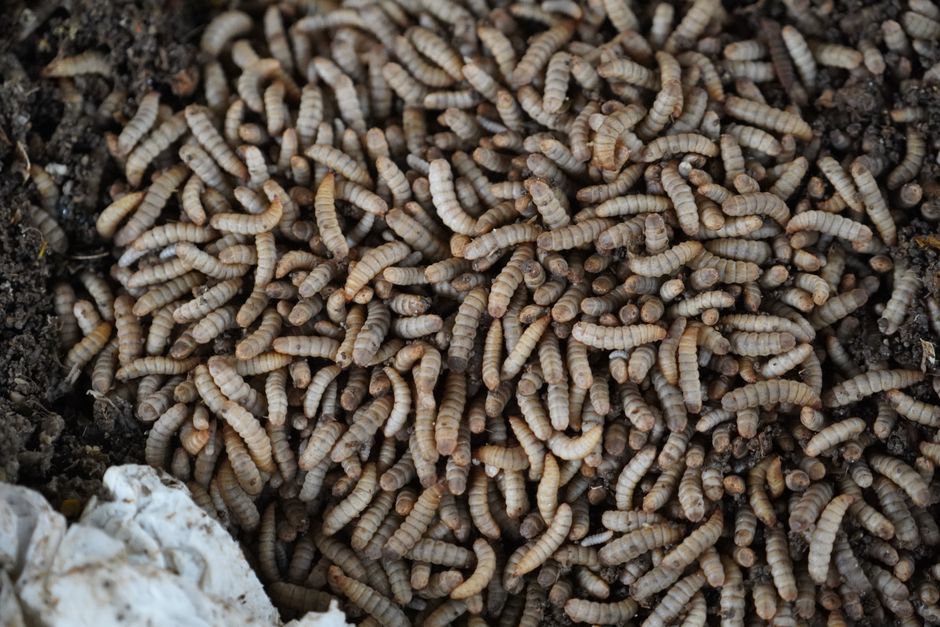
Most of the time, nothing happens. If you accidentally swallow a maggot — in a piece of fruit, a bite of old food, or from a shared drink outdoors — your stomach acid is usually enough to kill and break it down. The human digestive system is built to handle small amounts of insect material. Insects are eaten as food by billions of people worldwide, and the body treats them much like any other protein.
The answer changes if you ate a maggot that came from rotting meat, feces, or a dead animal. That kind of maggot can carry bacteria that cause food poisoning. It also changes if the maggot was still alive and in a form that can survive stomach acid, which is rare but possible in certain fly species. For the vast majority of cases, the outcome is mild stomach upset at worst — or no symptoms at all.
What Happens If You Eat A Maggot?
Your stomach is the first real defense. Gastric acid sits at a pH between 1.5 and 3.5, which is strong enough to kill most bacteria and break down soft tissue. A maggot is soft-bodied and made largely of water and protein. Once swallowed, it is typically destroyed within minutes.
From there, digestion proceeds normally. Enzymes in the stomach and small intestine break the maggot down into amino acids, fats, and other basic components. Anything indigestible passes through and leaves in your stool. You would not notice it.
The one variable that matters is what the maggot was eating before you ate it. A maggot is essentially a living container for whatever it has been feeding on. If it developed in a clean environment — an apple, a tomato, a bag of flour — the risk is minimal. If it developed in rotting meat, garbage, or animal waste, it can carry Salmonella, E. coli, or other pathogens on its surface and in its gut.
That does not mean you will get sick. It means the risk is not zero. Most people who swallow a single maggot from contaminated material do not develop symptoms. But the possibility exists, and it is worth watching for signs over the next 24 to 72 hours.
Can A Maggot Survive In Your Stomach?
Almost never. The acid environment of the stomach is hostile to nearly everything a maggot needs to stay alive. Stomach acid kills most ingested organisms within a short window.
A few fly species have larvae that are more resistant than others. Some botfly and screwworm larvae are adapted to survive inside living tissue, not inside a stomach. Even those are typically destroyed once they hit gastric acid. The scenario where a maggot survives the stomach and establishes itself in the body is extremely rare and usually involves a different route of entry — through a wound, the nose, or the ear — not through eating.
There is a separate condition called myiasis, where fly larvae infest living tissue. It is a real medical condition, but it is not caused by swallowing a maggot in food. It happens when flies lay eggs on or near a wound, or in rare cases in the nasal passages or ears of people who cannot swat them away. Oral myiasis — larvae in the mouth or throat — has been documented but is rare and usually linked to poor oral hygiene or open sores in the mouth.
What Are The Symptoms Of Eating A Maggot?
Most people have no symptoms. When symptoms do occur, they usually look like mild food poisoning and appear within a few hours to a few days.
- Nausea or an unsettled stomach
- Loose stools or diarrhea
- Mild abdominal cramping
- Loss of appetite
- Rarely, vomiting
These symptoms are not caused by the maggot itself. They are caused by bacteria the maggot may have been carrying. The maggot is a carrier, not a poison.
More serious symptoms — high fever, bloody diarrhea, severe abdominal pain, or signs of dehydration — suggest a bacterial infection that needs medical attention. These are uncommon after a single accidental swallow, but they are possible if the maggot came from heavily contaminated material.
A psychological reaction is also common. Many people feel disgust or anxiety after realizing what they ate. That reaction is real and can cause nausea on its own. It does not mean anything harmful is happening in your body.





When Should You See A Doctor?
See a doctor if symptoms are severe or do not resolve. The specific signs that warrant medical care include:
- Diarrhea lasting more than a few days
- Blood or mucus in the stool
- Fever above 101°F (38.3°C)
- Signs of dehydration — dry mouth, little urine, dizziness
- Severe or worsening abdominal pain
- Vomiting that will not stop
For most people who swallow a maggot and feel fine, no medical visit is needed. There is nothing to test for and nothing to treat. If you are unsure whether the maggot came from contaminated material, and you develop symptoms, a doctor can assess whether a stool test or other workup is warranted.
Children, older adults, and people with weakened immune systems should be watched more closely. Their bodies handle bacterial exposure less efficiently, and a mild infection in a healthy adult can become more serious in these groups.
Is Eating A Maggot Dangerous?
No, in the ordinary sense. A single maggot swallowed by accident is not dangerous for most healthy people. The body handles it.
What makes headlines and causes worry is the idea of larvae living inside the body. That is a different scenario. It happens through wounds, not through the stomach. A maggot that goes down your throat does not crawl back up and set up a home in your intestines.
There is also a legitimate medical use for maggots. Maggot debridement therapy uses sterile, lab-raised fly larvae to clean dead tissue from chronic wounds. The larvae eat dead tissue and leave healthy tissue alone. This is an established clinical treatment for certain non-healing wounds, and it uses maggots raised under controlled conditions — not maggots from a garbage bin. That context matters. Medical maggots are sterile. Wild maggots are not.
The real risk from eating a wild maggot is not the maggot. It is the bacteria it carries. That risk is small but real, and it is the reason food safety guidance exists in the first place.
How Do You Avoid Eating Maggots?
You avoid them the same way you avoid any foodborne illness: by inspecting food and storing it properly.
- Check fruit for soft spots, small holes, or brown patches before eating
- Wash produce under running water before cutting or eating
- Refrigerate leftovers within two hours of cooking
- Throw out food that has been left out overnight or shows signs of spoilage
- Keep garbage covered and take it out regularly, especially in warm weather
- Check flour, grains, and dried goods for small moths or larvae before using
Maggots in food usually mean the food is already spoiled or was exposed to flies. The maggot is a sign, not the main problem. If you find maggots in a package of food, throw the whole thing out. Do not try to salvage the clean-looking parts.
Fruit fly larvae are the most common type people accidentally eat. They are tiny, white, and often hidden inside overripe fruit. They are also among the least concerning, because fruit fly larvae develop in fruit, not in waste. The risk from these is very low.
Does Cooking Kill Maggots?
Yes. Heat kills maggots and any bacteria they carry. Cooking food to a safe internal temperature destroys both the larvae and the pathogens.
This is why cooked food that once contained maggots is generally considered safe to eat, as long as it was cooked thoroughly and handled properly afterward. The problem is that most people do not want to eat it, and the food itself is usually spoiled by the time maggots appear. Spoilage is the bigger concern.
Freezing does not reliably kill maggots or bacteria. It stops their growth but does not sterilize the food. If you find maggots in something in your freezer, throw it out.
Frequently Asked Questions
What happens if you accidentally eat a maggot?
In most cases, nothing happens. Stomach acid kills and breaks down the maggot, and it passes through your digestive system without causing symptoms.
Can a maggot survive in your stomach?
Almost never. Gastric acid at a pH of 1.5 to 3.5 destroys nearly all ingested larvae within minutes. Survival would require an extremely rare set of conditions.
Should I worry if I ate a maggot from old food?
Watch for nausea, diarrhea, or cramping over the next 24 to 72 hours. These symptoms, if they appear, come from bacteria the maggot carried, not from the maggot itself.
When should I see a doctor after eating a maggot?
See a doctor if you develop a fever above 101°F, bloody diarrhea, severe abdominal pain, or signs of dehydration. Mild symptoms that resolve on their own do not require medical care.
