
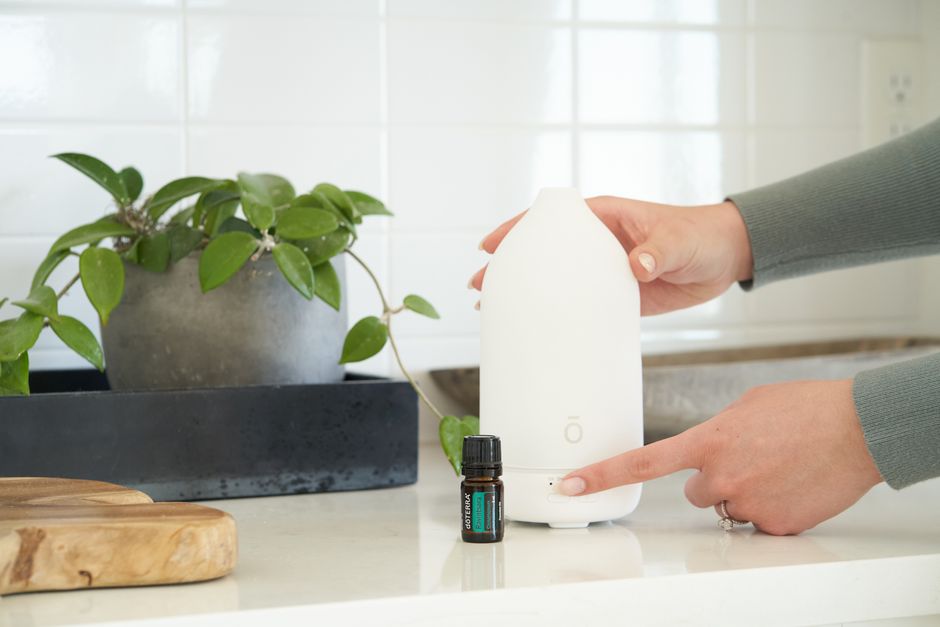
Diffusing straight hair can add volume and gentle movement, but it will not turn straight hair curly. The diffuser attachment spreads air more evenly, reducing frizz and speeding up drying, but the natural straight texture stays the same. If you want soft waves or more body, diffusing with the right technique can create a subtle bend, but the effect is temporary and depends on your hair type and products.
Does a diffuser change straight hair texture?
A diffuser changes how your hair dries, not its natural shape. Straight hair has a round hair shaft and the protein bonds inside each strand lie flat. Heat from a blow dryer cannot permanently change those bonds — only chemical treatments or high heat styling tools like flat irons can.
What a diffuser does is distribute heat and air gently over a larger area. This reduces turbulence that can roughen the cuticle layer and create frizz. The result is smoother, shinier hair that may have a bit more lift at the roots. Some people with naturally straight hair notice slight bends or waves at the ends when they dry their hair with a diffuser while scrunching. That movement comes from styling technique, not a change in the hair itself. Once the hair gets wet again, it returns to its natural straight state.
What happens if you diffuse straight hair without product?
Without any styling product, diffusing straight hair typically leaves it straight with more volume. The warm air lifts the roots as you dry, creating fullness at the crown. However, without a heat protectant or a product that adds grip, the hair may dry faster but also become staticky or flyaway — especially in dry indoor air or during winter.
Hair that is fine or very straight is more prone to static. The diffuser’s gentle airflow helps a little, but it does not eliminate static entirely. Using a leave-in conditioner or a lightweight serum before diffusing can help smooth the cuticle and reduce static. If you want any wave or bend, you need a styling product that provides hold, such as a mousse or a salt spray. Without that, the hair will simply fall straight as it dries.
Can diffusing straight hair cause damage?
Like any blow drying method, diffusing can damage hair if done incorrectly. The main risk is heat damage. When the diffuser is held too close to the hair or the dryer is set to high heat for too long, the moisture inside the hair shaft can boil, leading to bubbles in the cortex. This weakens the hair over time and can cause breakage, split ends, and loss of shine.
The good news is that diffusers are generally gentler than a concentrated nozzle because the airflow spreads out. You can reduce damage by using a medium or low heat setting, keeping the dryer moving, and always applying a heat protectant beforehand. Some research suggests that prolonged heat exposure above 200°F (about 93°C) can damage hair proteins. Most hair dryers on low heat fall below that threshold, but high heat settings often exceed it. If you diffuse regularly, using a heat protectant is strongly recommended.




Does diffusing straight hair make it frizzy?
For most straight hair types, diffusing actually reduces frizz compared to regular blow drying. The even, low-velocity airflow disturbs the hair cuticles less, so they stay flatter. That means less roughness and less frizz.
However, if the air is too hot, the cuticle can lift and moisture escapes, which does create frizz. Likewise, if you move the diffuser around roughly or touch wet hair too much during drying, you can disturb the cuticle and cause frizz. The key is to use low to medium heat, hold the diffuser a few inches from the scalp, and let the air do the work without rubbing or scrunching aggressively. For people with fine straight hair, diffusing at the roots helps lift without adding frizz — just be gentle around the ends, which are oldest and most prone to damage.
What is the best way to diffuse straight hair?
There is no one perfect method, but hairstylists generally recommend these steps for straight hair:
- Start with damp, not soaking wet hair. Towel dry gently first.
- Apply a heat protectant evenly throughout the hair.
- If you want volume, apply a root lift spray or mousse at the roots.
- Flip your head upside down and place the diffuser against your scalp. Dry the roots on low or medium heat.
- Once roots are about 70% dry, you can lower your head upright. You can cup sections of hair into the diffuser bowl and hold still for 15–20 seconds to add gentle wave.
- Cool shot button helps set volume and reduce heat damage.
- Do not touch the hair too much while it dries. Let the diffuser do the work.
This technique gives volume and smoothness without creating unnatural bends. If you want soft waves, you can twist sections of hair into loose coils before diffusing. The results depend on how long you hold the heat and the products you use. For most straight hair, this produces loose, beachy texture that fades once the hair gets wet again.
How does diffusing compare to air drying straight hair?
Air drying is the least damaging method, but it takes time and can leave hair flat, especially if your hair is fine or straight. Diffusion speeds up drying and adds volume. For straight hair that is prone to oiliness at the scalp, air drying may leave the roots looking limp. Diffusing lifts the roots and gives a cleaner appearance.
Air drying also gives naturally produced oils more time to travel down the hair shaft, which can weight down fine hair. Diffusing reduces that effect by shortening drying time. On the other hand, air drying avoids all heat exposure, so it is the safest option for hair health. If you diffuse no more than once or twice a week with low heat and a protectant, the risk of damage is very low. Your choice depends on your priorities — speed and volume versus zero heat.
What happens if you diffuse straight hair every day?
Daily heat styling, even with a diffuser, can weaken hair over time. The cumulative effect of heat can strip moisture from the hair shaft and damage the protective lipid layer. Straight hair, especially if it is fine or color-treated, is more vulnerable to heat damage because it has less natural oil and a thinner cortex.
If you diffuse daily, you might notice increased dryness, dullness, or breakage after a few months. To lower the risk, always use a heat protectant, keep the temperature low, and give your hair a break on weekends. Some people counter this by using a leave-in conditioner or hair oil to keep strands flexible. There are no large studies on daily diffusion specifically, but the principle holds: any daily heat use increases the chance of damage.
Can you get curls by diffusing straight hair with products?
No. Products like mousse, curl creams, or salt sprays can create the appearance of waves or curls by adding hold and texture, but they do not change the hair’s natural shape. The waves are temporary and wash out. For someone with very straight hair, the effect is usually a slight bend rather than defined curls. Curls require the hair follicle to be oval and the bonds inside the cortex to be asymmetrical. Straight hair has a round follicle and symmetrical bonds – no amount of diffusing or product can turn it curly.
Some products can coat the hair and create clumping, which might look like curl clumps in the bowl of the diffuser. But once dry and disturbed, the hair will fall back to its natural straight or slightly wavy pattern. If you want permanent curls, you would need a perm or chemical treatment. Diffusing alone will not change your hair type.
Frequently Asked Questions
Does diffusing straight hair make it more voluminous?
Yes, diffusing at the roots while your head is upside down can create noticeable volume. The warm air lifts the hair from the scalp and dries the roots in that lifted position, giving a fuller look.
Will a diffuser help straight hair dry faster?
Yes, because a diffuser circulates warm air through the hair more efficiently than letting it air dry. However, it is not necessarily faster than a standard blow dryer with a concentrator nozzle — the diffuser spreads the air, so it may take slightly longer.
Can diffusing straight hair reduce frizz permanently?
No, the frizz reduction is temporary and only lasts until the next wash. Good technique and proper products can minimize frizz each time, but it is not a permanent change to the hair structure.
Is it safe to diffuse straight hair if it is color-treated?
Yes, but color-treated hair is more porous and more sensitive to heat. Use a low heat setting and a heat protectant designed for color-treated hair. Overheating can cause color fading and dryness.
