
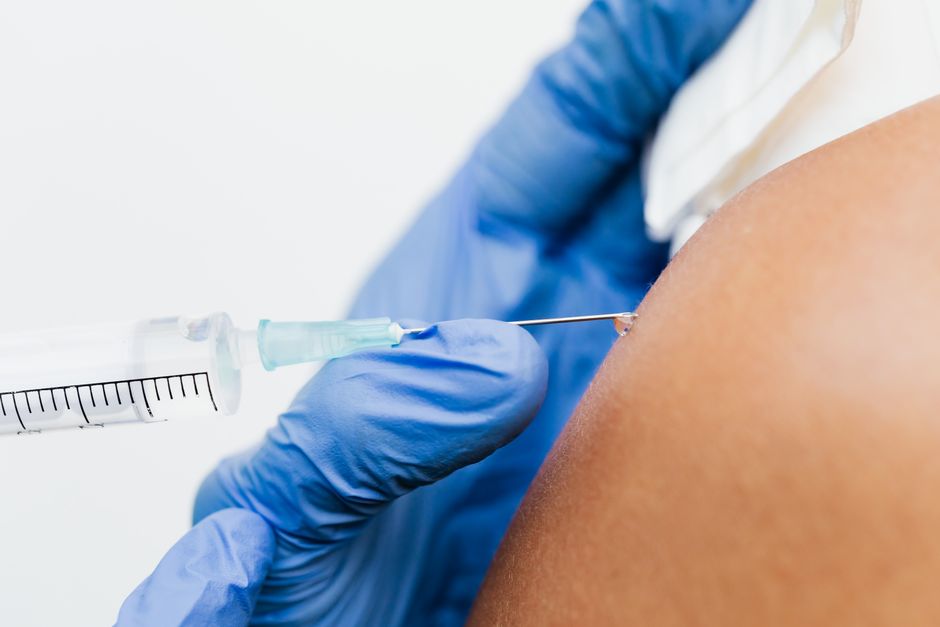
Testosterone injections are usually given into a muscle, not into fat. When testosterone is injected into fat instead — a technique called subcutaneous injection — the drug is absorbed more slowly and steadily than it is from muscle. It still works. The main differences are in how fast blood levels rise, how stable they stay between doses, and what the injection feels like.
This matters because subcutaneous testosterone injection has become common in clinical practice, especially for people who inject at home. It is a real technique with real evidence behind it, not a mistake. But it is not identical to muscle injection, and the differences are worth understanding before you decide which route to use.
What Happens If Testosterone Is Injected Into Fat?
The testosterone does not stay in the fat. It gets absorbed into the bloodstream, just more gradually than it would from muscle tissue.
Fat tissue has fewer blood vessels than muscle. That lower blood flow slows how quickly the drug moves from the injection site into circulation. The result is a slower rise in blood testosterone levels and a smoother curve over the days that follow.
Most injectable testosterone products are formulated in an oil carrier — testosterone cypionate and testosterone enanthate are the common ones in the US. The oil depot sits in the tissue and releases the hormone over time. Whether that depot is in fat or muscle, the drug eventually reaches the blood. The difference is the shape of the curve, not whether absorption happens at all.
One practical point: subcutaneous injection uses a much shorter needle than intramuscular injection. That is one reason it has grown in popularity for at-home use.
Is Subcutaneous Testosterone Injection as Effective as Intramuscular?
For most people, yes. Studies comparing the two routes have generally found similar testosterone levels in the blood when the dose is adjusted appropriately.
That last part matters. Because absorption is slower and somewhat less complete per unit of dose in some people, the same milligram amount given under the skin may not produce identical blood levels as an intramuscular shot. Clinicians who use the subcutaneous route often monitor blood levels and adjust the dose rather than assuming the two are interchangeable milligram for milligram.
The evidence here is reasonably consistent but not enormous. Several studies have found that subcutaneous injections can maintain testosterone in the target range with acceptable control of symptoms. The general clinical direction has moved toward accepting subcutaneous delivery as a legitimate option, not a lesser one.
What the evidence does not support is the idea that one route is universally better. Response varies between individuals. Blood testing is what tells you whether a given route and dose are working for a specific person.
How Fast Does Testosterone Absorb From Fat Compared to Muscle?
Absorption from fat is slower. How much slower depends on the person, the injection site, and the specific formulation.
Muscle has a richer blood supply, so an intramuscular depot tends to release into circulation more quickly. Subcutaneous tissue releases more gradually. In practice, this can mean a gentler peak after each injection and a less pronounced drop before the next one.
For people who inject every week or every two weeks, that smoother curve can matter. Sharp peaks and troughs are part of what drives side effects and symptom fluctuation in some people. A flatter curve is often described as feeling more even.
This is a general pattern, not a guarantee. Individual absorption varies, and the only reliable way to know your own levels is through blood work ordered by a clinician.





What Are the Risks of Injecting Testosterone Into Fat?
The risks are mostly the same as intramuscular injection, with a few differences tied to the tissue itself.
- Injection site reactions. Redness, soreness, or a small lump under the skin can happen. These are usually mild and temporary.
- Lipohypertrophy. Repeated injections into the same spot can cause fatty tissue to thicken or form a lump. This is well documented with insulin injections and can happen with testosterone too. Rotating sites helps prevent it.
- Bruising. Subcutaneous tissue has more small blood vessels near the surface, so bruising may be more visible than with a deeper muscle shot.
- Infection. This risk exists with any injection and depends on sterile technique, not on the tissue type.
None of these are reasons to avoid the technique. They are reasons to use clean technique and rotate injection sites.
The larger risks of testosterone therapy itself do not change based on where you inject. Those include effects on red blood cell production, possible impacts on fertility, and the need for ongoing monitoring. Those are separate from the injection route.
Does It Matter Where on the Body You Inject?
Yes, somewhat. Common subcutaneous sites include the abdomen and the front of the thigh.
The abdomen tends to be the easiest for self-injection and is the site most often used. Thigh tissue also works. The key is to avoid injecting into the same spot repeatedly, because that is what leads to tissue changes over time.
Site selection can also affect comfort. Some people find one area less tender than another. There is no single correct site — what matters is consistency of technique and rotation.
Why Do Some Clinicians Prefer Subcutaneous Injection?
Convenience and tolerability are the main reasons. A shorter needle is less intimidating, and many people find subcutaneous injections easier to do at home.
There is also the smoother blood level curve. For some patients, that translates to fewer ups and downs in how they feel between doses.
It is worth being clear about what this is and is not. Subcutaneous testosterone injection is a recognized clinical practice with supporting evidence. It is not an off-label experiment, and it is not a compromise. But it is also not automatically superior. The choice between routes is a clinical decision that depends on the individual, and it should be made with a clinician who is monitoring blood levels.
One clarification that often gets lost: the route of injection does not change what testosterone does in the body. It changes the timing and shape of delivery. The hormone itself behaves the same way once it is in the bloodstream.
What Should You Do If You Inject Into Fat by Accident?
Nothing dramatic. If you intended a muscle injection and went into fat instead, the dose still gets absorbed — just more slowly.
Do not inject a second dose to compensate. That is the main thing to avoid. Doubling up can push blood levels higher than intended.
Note what happened and mention it to your prescribing clinician. If it happens repeatedly, it may be worth discussing whether subcutaneous injection is simply the better fit for you. Many people who start with intramuscular injections eventually switch to subcutaneous for exactly this reason.
If you notice increasing pain, spreading redness, fever, or a growing lump at the site, contact a clinician. Those are signs of a possible infection or a significant tissue reaction, and they are uncommon but worth taking seriously.
Frequently Asked Questions
Does testosterone still work if injected into fat?
Yes. The testosterone is absorbed into the bloodstream from fat tissue, just more slowly than from muscle. It remains effective as long as the dose and levels are monitored.
Is subcutaneous testosterone injection better than intramuscular?
Neither is universally better. Subcutaneous injection tends to produce steadier blood levels and is easier for at-home use, while intramuscular injection absorbs faster. The right choice depends on the individual and should be guided by blood testing.
How long does testosterone take to absorb from fat?
Absorption from fat is gradual, and the exact timing varies by person and formulation. This slower release is what produces the smoother blood level curve compared with muscle injection.
Can you inject testosterone into belly fat?
Yes, the abdomen is one of the most common sites for subcutaneous testosterone injection. Rotating the exact spot each time helps prevent tissue changes like lumps.
