
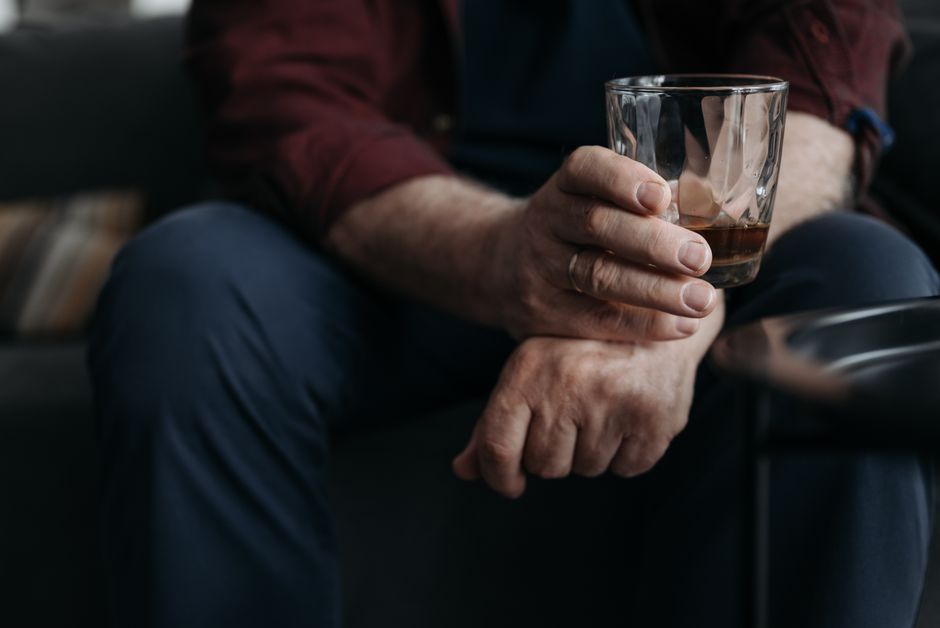
Drinking alcohol after a colonoscopy is not immediately dangerous for most people, but it comes with real risks that depend on the sedation used, your recovery state, and any medications you were given. The safest approach is to wait at least 24 hours after the procedure, and longer if you were given certain sedatives or pain medications. Your judgment, balance, and reaction time may still be impaired even if you feel fully awake, and mixing alcohol with residual sedation can amplify both effects dangerously.
Why Waiting 24 Hours Is the Standard Advice
Colonoscopies are almost always performed under sedation. The most common sedatives are propofol, midazolam (Versed), and fentanyl. These drugs do not leave your system the moment the procedure ends. They wear off gradually, and the lingering effects can last for several hours.
Alcohol is a central nervous system depressant. So are the sedatives used during a colonoscopy. Combining the two can cause your breathing to slow, your blood pressure to drop, and your heart rate to decrease. In rare cases, this combination can be serious enough to require medical attention.
Most gastroenterologists and anesthesiologists advise patients to avoid alcohol for at least 24 hours after sedation. This is not an arbitrary number. It is the time frame during which the sedative drugs are considered clinically relevant in your system.
The Real Danger Is Impaired Judgment, Not Liver Damage
Many people worry that drinking after a colonoscopy will harm their liver or interact with the bowel prep. That is not the main concern. The bowel prep is out of your system by the time the procedure is over.
The immediate risk is functional impairment. Even if you feel alert, your reaction time may be slower than normal. Your balance may be off. You might not realize how impaired you are because the sedative effects are subtle. Adding alcohol to that state makes you a danger to yourself. Driving, operating machinery, or even walking down stairs could result in injury.
There is also the risk of dehydration. The bowel prep clears your colon, but it also depletes your body of fluids and electrolytes. Alcohol is a diuretic. Drinking it before you have fully rehydrated can leave you feeling dizzy, weak, or lightheaded.
What If You Had No Sedation?
Some colonoscopies are performed without sedation, often at the patient’s request. If you had an unsedated procedure, the 24-hour rule is less critical. You do not have sedative drugs in your system.
However, you still had a medical procedure. Your colon was inflated with air during the exam, and biopsies or polyp removals may have been performed. Drinking alcohol shortly after an unsedated colonoscopy is not known to cause specific harm, but it is still wise to give your body a few hours to recover. If you had polyps removed, your colon has small wounds that need to heal. Alcohol does not directly interfere with this healing, but heavy drinking can affect your immune response and hydration status.
If you are unsure whether your procedure was sedated, ask your doctor or check your discharge paperwork. Do not assume.



Medication Interactions You Need to Know About
Some people are prescribed medications after a colonoscopy, especially if polyps were removed. These may include antibiotics or pain relievers. Alcohol can interact with both.
If you were given a prescription for pain medication, particularly opioids like tramadol or hydrocodone, do not drink alcohol while taking them. The combination can cause severe respiratory depression. This is not a theoretical risk. It is a well-documented, potentially fatal interaction.
Antibiotics such as metronidazole (Flagyl) or tinidazole can cause a severe reaction when mixed with alcohol. Symptoms include nausea, vomiting, flushing, and a rapid heartbeat. This reaction can occur even if you drink only a small amount of alcohol.
Over-the-counter pain relievers are also relevant. If you were advised to take acetaminophen (Tylenol) for discomfort, combining it with alcohol increases the strain on your liver. This is generally not a concern with one or two drinks, but heavy drinking while taking acetaminophen can cause liver damage.
How Long Should You Actually Wait?
The 24-hour rule is the minimum for most people. If you had sedation, that is the safe baseline. If you are taking prescription pain medication or antibiotics, the wait extends until you finish the medication course.
There is no benefit to drinking alcohol sooner. There is only risk. The delay costs you nothing.
If you had a more complex procedure — such as removal of a large polyp, dilation of a narrowing, or treatment for bleeding — your doctor may give you specific instructions. Follow those instructions over any general advice you read online.
Signs You Should Seek Medical Attention
If you ignore the waiting period and drink alcohol after sedation, watch for warning signs. These include difficulty breathing, severe drowsiness, confusion, or fainting. If you experience any of these, call for emergency help immediately.
Also watch for signs of a reaction if you are taking antibiotics. Severe nausea, vomiting, or a racing heart after drinking alcohol while on metronidazole or tinidazole warrants a call to your doctor or a visit to urgent care.
Most people who drink one or two drinks the day after a colonoscopy will be fine. But “fine” is not the same as “safe.” The risk is low but real, and it is entirely avoidable.
What Happens If I Drink Alcohol After Colonoscopy — The Short Answer
If you drink alcohol within 24 hours of a sedated colonoscopy, you risk combining alcohol with lingering sedative drugs. This can impair your breathing, judgment, and coordination. It can also cause dizziness and dehydration on top of the fluid loss from bowel prep.
If you drink after 24 hours and are not taking interacting medications, a moderate amount of alcohol is unlikely to cause problems. There is no evidence that a single drink or two causes harm to your colon or interferes with healing after a routine procedure.
The honest guidance is simple: wait 24 hours. If you are on prescription pain medication or antibiotics, wait until you finish them. When in doubt, call your doctor’s office and ask. That call takes two minutes and removes all guesswork.
Frequently Asked Questions
Can I have a glass of wine the night after my colonoscopy?
No, not if you had sedation. The 24-hour window after sedation is the minimum safe waiting period, and the night of your procedure falls inside that window.
How long does propofol stay in your system after a colonoscopy?
Propofol has a short half-life, but its effects can linger for several hours after the procedure ends. Most doctors recommend avoiding alcohol for a full 24 hours to be safe.
Can I drink alcohol if I had no sedation for my colonoscopy?
Yes, but wait a few hours to allow your body to recover from the procedure itself. If you had polyps removed or a biopsy, give yourself at least the rest of the day before drinking.
What happens if I accidentally drank alcohol the same day as my colonoscopy?
Monitor yourself for difficulty breathing, severe drowsiness, or confusion. If you have any of these symptoms, seek emergency medical care. If you feel fine, avoid drinking more and stay hydrated.
