
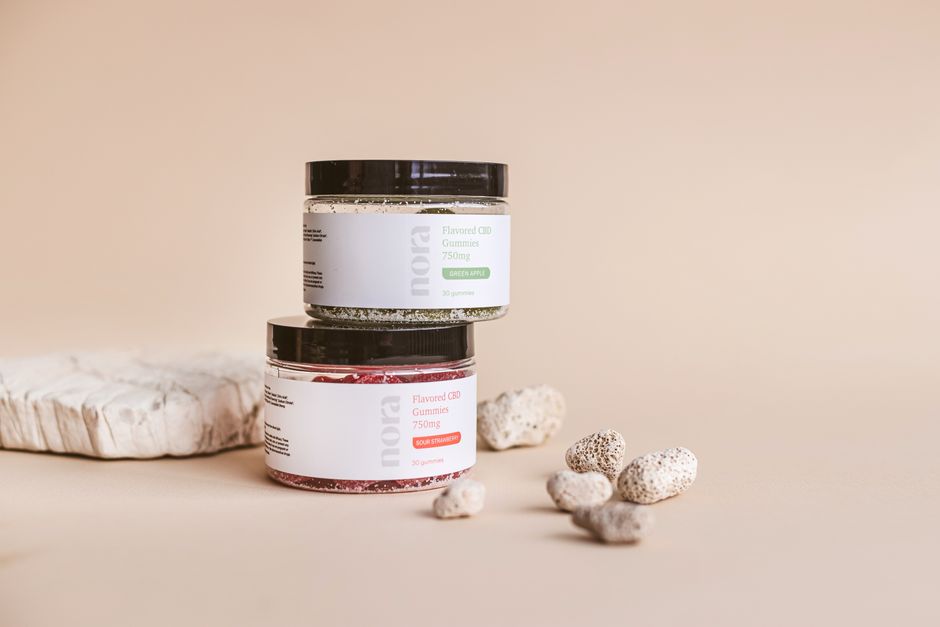
Gummies for pain and inflammation are a growing category, but the evidence behind them varies widely by ingredient. The gummies with the most clinical support for pain and inflammation are those containing curcumin (from turmeric), omega-3 fatty acids, and specific herbal extracts like boswellia. However, no gummy is a substitute for proven medical treatments, and many products on the market contain doses too low to match what studies have used.
What Gummies Are Good For Pain And Inflammation?
The short answer is that gummies made with curcumin or omega-3 fatty acids have the strongest evidence base. Curcumin is the active compound in turmeric, and research consistently shows it can reduce markers of inflammation in the body. Omega-3s, typically from fish oil, are well documented for their anti-inflammatory effects, particularly for conditions like rheumatoid arthritis.
Some gummies also contain boswellia serrata, an herbal extract used for centuries in Ayurvedic medicine. Studies have found it can be helpful for joint pain and osteoarthritis. The challenge is that many gummy products contain only small amounts of these ingredients, often below the doses used in clinical trials.
How Do Anti-Inflammatory Gummies Work?
Inflammation is a normal immune response. When your body detects injury or infection, it sends white blood cells and chemical signals to the affected area. This causes redness, heat, swelling, and pain. In acute situations, this process is protective and necessary. Problems arise when inflammation becomes chronic, meaning it persists over months or years.
Chronic inflammation is linked to many conditions, including arthritis, heart disease, and autoimmune disorders. Anti-inflammatory compounds work by interfering with specific pathways that produce inflammatory chemicals. Curcumin, for example, blocks the activity of enzymes called COX-2 and LOX, which are involved in producing inflammatory molecules. Omega-3 fatty acids get incorporated into cell membranes and can reduce the production of pro-inflammatory compounds called eicosanoids.
This mechanism is well established. What is less clear is whether the amount of these compounds in a typical gummy is enough to produce a meaningful effect. Many gummies contain 50–100 mg of curcumin, while clinical trials often use 500–1,000 mg daily. That difference matters.
Curcumin Gummies for Pain
Curcumin is the most studied natural compound for inflammation. Research published in the Journal of Medicinal Food and other peer-reviewed journals has found that curcumin can reduce joint pain and improve function in people with osteoarthritis. Some studies suggest it may be comparable to nonsteroidal anti-inflammatory drugs (NSAIDs) like ibuprofen for certain types of pain, though the quality of these studies varies.
There is an important caveat. Standard curcumin has very poor absorption. The body quickly metabolizes it and eliminates it. Many products address this by combining curcumin with piperine (black pepper extract) or using a specialized formulation that improves bioavailability. If you are considering a curcumin gummy, look for one that mentions enhanced absorption on the label. Products without this feature may not deliver enough active compound to the bloodstream.
Curcumin is generally well tolerated, but high doses can cause stomach upset. It can also interact with blood thinners and medications that affect the liver. If you take prescription medication, talk to your doctor before starting a curcumin supplement.





Omega-3 Gummies for Inflammation
Omega-3 fatty acids, specifically EPA and DHA, are well established as anti-inflammatory nutrients. Clinical trials have shown that omega-3 supplements can reduce morning stiffness and joint pain in people with rheumatoid arthritis. Some research also suggests benefits for general joint health and muscle soreness after exercise.
Gummies are a popular delivery method for omega-3s because fish oil capsules can cause fishy burps. However, gummies have a limitation. They typically contain less omega-3 per serving than capsules. A standard fish oil capsule might contain 500–1,000 mg of combined EPA and DHA. A gummy often contains 100–200 mg. You would need to eat several gummies daily to match the doses used in clinical studies.
Another consideration is that omega-3 gummies are often flavored with sugar or sweeteners to mask the fishy taste. Check the sugar content if you are watching your intake. Some products use natural sweeteners like stevia, which is a better option.
What About CBD Gummies for Pain?
CBD (cannabidiol) gummies are one of the most popular pain products on the market. The evidence is more complicated. Some studies suggest CBD can help with certain types of chronic pain, particularly neuropathic pain. However, the research is still early, and results have been mixed.
A notable issue is dosing. Many CBD gummies contain 10–25 mg of CBD per piece. Clinical trials for pain have often used doses of 200 mg or higher. At typical gummy doses, the effect may be modest or absent. Additionally, the FDA has not approved CBD for pain, and the regulatory status of these products remains unclear.
If you are considering CBD gummies, be aware of quality concerns. The industry is not tightly regulated, and some products contain less CBD than the label claims. Look for products with third-party lab testing results that you can verify. Be honest with yourself about expectations. CBD may help some people, but it is not a guaranteed pain reliever.
Other Ingredients Commonly Found in Pain Gummies
Several other ingredients appear in anti-inflammatory gummies. Some have supporting evidence, while others are mostly marketing.
- Boswellia serrata: Also called Indian frankincense. Clinical studies have found it can reduce pain and improve function in osteoarthritis. It works by inhibiting inflammatory enzymes. Some research suggests it is comparable to NSAIDs for osteoarthritis pain.
- Ginger: Contains compounds with anti-inflammatory properties. Studies have shown modest benefits for muscle pain and osteoarthritis. The evidence is decent but not as strong as curcumin.
- Vitamin D: Deficiency is linked to chronic pain, particularly bone and muscle pain. Supplementation helps if you are deficient, but it is not a direct anti-inflammatory.
- Glucosamine and chondroitin: These are components of cartilage. Studies on joint pain have produced mixed results. Some people report benefit, but large trials have not consistently confirmed effectiveness.
- Cherry extract: Tart cherry juice has been studied for muscle recovery and arthritis. The evidence is promising but limited.
Many gummies combine several of these ingredients. That sounds appealing, but combination products make it hard to know which ingredient is helping. If you want to test whether a supplement works for you, it is better to try one ingredient at a time.
Dosage and Quality Concerns
Dosage is the biggest problem with pain gummies. Clinical studies use specific amounts of active ingredients. Gummy manufacturers often use much smaller amounts to keep the product affordable and palatable. A gummy that contains 25 mg of curcumin will not produce the same effect as the 1,000 mg used in a study.
There is no official recommended dose for these supplements because they are not medications. The FDA regulates them as foods or dietary supplements, not drugs. This means manufacturers do not have to prove effectiveness before selling them.
Quality varies significantly between brands. Some products may not contain the amount of active ingredient stated on the label. Independent testing by organizations like ConsumerLab has found discrepancies in supplement labels. Choose brands that use third-party testing and provide certificates of analysis.
If you decide to try a gummy for pain, start with a product that lists the amount of active ingredient per serving. Compare that to the doses used in clinical research. If the dose is far below what studies used, the product may not be worth the money.
When to See a Doctor Instead
Gummies are not a replacement for medical care. If you have persistent pain that lasts more than a few weeks, see a doctor. Pain can be a sign of a serious condition that needs proper diagnosis and treatment.
Seek immediate medical attention if you have pain accompanied by fever, unexplained weight loss, numbness, weakness, or pain that is severe and sudden. These symptoms can indicate infections, nerve damage, or other conditions that require urgent care.
For chronic conditions like arthritis, work with your doctor to develop a comprehensive plan. This might include medication, physical therapy, exercise, and lifestyle changes. Supplements like gummies can be part of that plan, but they should not replace proven treatments.
Frequently Asked Questions
Are turmeric gummies as effective as turmeric capsules?
Not usually. Gummies typically contain less curcumin per serving than capsules, and the dose may be too low to match clinical study amounts.
Can I take pain gummies with my prescription medications?
Some ingredients can interact with medications. Curcumin can affect blood thinners, and CBD can interact with many drugs. Talk to your doctor or pharmacist before combining supplements with prescriptions.
How long do anti-inflammatory gummies take to work?
Most supplements take several weeks of consistent use before you notice an effect. Curcumin and omega-3s build up in tissues over time and are not fast-acting like ibuprofen.
Are CBD gummies legal in all states?
No. CBD derived from hemp is federally legal under the 2018 Farm Bill, but some states have their own restrictions. Check your state laws before purchasing.
