

Most moles don’t need to be removed at all. The ones that do come off in a doctor’s office, usually with a scalpel, a punch tool, or a shave technique. What doesn’t work is the long list of home remedies people try first — apple cider vinegar, garlic, baking soda paste, iodine, and drugstore mole removal pens. None of these remove a mole safely, and some cause scarring or delay a skin cancer diagnosis.
What Is a Mole, Exactly?
A mole is a cluster of pigment-producing cells called melanocytes. These cells normally spread evenly through the lower layer of your skin, giving it its baseline color. In a mole, they grow in a concentrated nest instead.
Most people have between 10 and 40 moles by adulthood. They can be flat or raised, tan, brown, pink, or nearly skin-colored. Some have hair growing out of them. Most appear during childhood and the teen years, and new ones can keep showing up into your 30s and 40s.
Two things about moles are worth knowing because they shape everything else in this article. First, the vast majority are harmless. Second, a small number of melanomas — the most dangerous form of skin cancer — start inside a mole or look like one. That second fact is why removal is a medical decision, not a cosmetic one you make with a cotton ball and vinegar.
Moles can also change on their own. Hormonal shifts during pregnancy, puberty, and menopause can darken them or make them grow. Sun exposure does the same. A changing mole isn’t automatically cancer, but it’s the main reason to have one looked at.
What Actually Gets Rid Of Moles On Skin?
Only a licensed medical provider can remove a mole, and the method depends on why it’s coming off and what it looks like.
Surgical excision. The doctor numbs the area, then cuts the mole out with a scalpel, including a small margin of normal skin around it. The wound is closed with stitches. This is the standard approach when cancer is suspected, because it gives the lab a complete sample to examine. It leaves a scar, but the trade-off is a full pathology report.
Shave removal. A blade slices the mole off level with the skin surface. It’s common for raised, benign moles. There are no stitches, and scarring tends to be minimal. The downside: if the mole turns out to be something concerning, a shave can make it harder to assess how deep it went.
Punch removal. A small circular tool — essentially a tiny cookie cutter — removes the mole and a bit of tissue beneath it. One or two stitches usually close the spot. This method works well for smaller moles and also produces a sample for testing.
Laser removal. Lasers can lighten or flatten some moles. This is generally reserved for moles already confirmed as benign, because laser treatment destroys the tissue and leaves nothing for a pathologist to examine. Some dermatologists avoid it on pigmented lesions for that reason.
Your provider chooses based on the mole’s size, location, and appearance, plus whether there’s any reason to suspect cancer. Cost varies widely, and insurance usually covers removal only when there’s a medical reason. Purely cosmetic removal is typically out of pocket.
What Does Not Get Rid Of Moles?
Home remedies do not remove moles. This isn’t a gray area — it’s a clear one.
Apple cider vinegar, garlic, baking soda, castor oil, iodine, tea tree oil, and honey are all popular in online tutorials. None of them remove the melanocyte clusters that make up a mole. At best they irritate the top layer of skin. At worst they cause chemical burns, infections, and permanent scars.
Over-the-counter mole removal pens and creams sold online are a separate problem. Many contain acids or caustic agents that burn tissue. The FDA has warned about these products. Some have caused serious scarring and infections, and a few have been linked to lasting damage. They also remove the mole in a way that makes it impossible to know afterward whether it was cancerous.
There’s a deeper issue with all of these approaches. When you destroy a mole at home, you erase the evidence. If that mole was an early melanoma, you’ve now covered it with a scar and delayed the diagnosis. Melanoma is highly treatable when caught early. That window closes fast.
So the honest answer to “what gets rid of moles” is narrow: a medical procedure, done by a clinician, sometimes with a lab report at the end. Everything else on the internet is either useless or actively risky.




When Should a Mole Be Checked Instead of Removed?
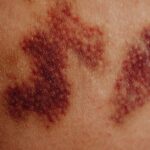
Any mole that looks different from your others deserves a look. So does any mole that changes.
Dermatologists use a memory aid called the ABCDE rule. Each letter describes a warning sign:
- A — Asymmetry. One half doesn’t match the other.
- B — Border. Edges are ragged, blurred, or irregular.
- C — Color. More than one color, or uneven shading, within the same mole.
- D — Diameter. Larger than a pencil eraser, roughly 6 millimeters across.
- E — Evolving. Any change in size, shape, color, or symptoms over time.
The E is the one people miss most. A mole that was stable for 20 years and now looks different is more concerning than a mole that has always been slightly odd-looking.
Other reasons to get checked: bleeding, itching, crusting, or a mole that won’t heal. A new mole after age 40 is also worth a look, since new moles are less common at that stage of life.
Here’s a point people often get wrong. A mole doesn’t have to be dark to be dangerous. Some melanomas are pink, red, or clear. They can look like a pimple, a wart, or a patch of dry skin. Color alone doesn’t rule anything out.
What About Moles That Are Just Annoying?
Plenty of people want a mole gone for reasons that have nothing to do with cancer. It catches on a bra strap. It’s in the way when you shave. It’s on your face and you don’t like it.
Those are legitimate reasons. A dermatologist can remove a benign mole for cosmetic reasons, and many do. The catch is that insurance generally won’t pay unless there’s a medical justification, so you’d be paying out of pocket.
Some providers will remove a mole without sending it to a lab if it looks clearly benign and the reason is cosmetic. Others send everything. Both approaches exist in practice, and the choice usually depends on the mole’s appearance and the clinician’s judgment. There’s no single standard here, and it’s reasonable to ask your provider which they plan to do and why.
One thing worth flagging: removing a mole doesn’t prevent future moles. If you’re prone to them, new ones can still appear. Removal treats the mole you have, not the tendency to grow them.
Does Sun Protection Actually Matter Here?
Yes. Sun exposure is the main environmental factor linked to both new moles and melanoma risk.
UV radiation damages the DNA in skin cells, including melanocytes. That damage accumulates over decades. Sunburns, especially blistering ones in childhood and the teen years, are associated with higher melanoma risk later in life. Tanning bed use is also linked to increased risk.
What the evidence supports: limiting UV exposure, using broad-spectrum sunscreen, wearing hats and protective clothing, and avoiding peak sun hours. What the evidence does not support is the idea that sunscreen alone makes you immune. Sunscreen reduces risk; it doesn’t erase it.
If you have a lot of moles, a family history of melanoma, or a history of significant sun exposure, regular skin checks with a dermatologist make sense. How often depends on your individual risk, which is a conversation to have with your provider rather than a fixed schedule for everyone.
Can a Mole Come Back After Removal?
Sometimes, yes. If any melanocytes remain in the skin after removal, the mole can regrow in the same spot.
This is more likely with shave removal and laser treatment than with full surgical excision, because those methods may not reach every cell. A regrown mole isn’t necessarily dangerous, but it should be looked at. A mole that grows back in a scar can be harder to evaluate, and in rare cases regrowth signals something more serious.
If a mole returns after removal, don’t try again at home. Go back to the provider who removed it, or see a dermatologist.
Frequently Asked Questions
Can I remove a mole at home safely?
No. Home remedies like apple cider vinegar, garlic, and baking soda do not remove moles and can cause burns, infections, and scarring. Over-the-counter mole removal products sold online carry similar risks and have prompted FDA warnings.
Will a dermatologist remove a mole just because I want it gone?
Often yes, if the mole appears benign. Insurance usually won’t cover it without a medical reason, so expect to pay out of pocket for cosmetic removal.
How do I know if a mole is dangerous?
Use the ABCDE signs: asymmetry, irregular borders, multiple colors, diameter larger than about 6 millimeters, and any change over time. A mole that bleeds, itches, or won’t heal should be checked promptly.
Does removing a mole prevent skin cancer?
Removing a benign mole does not lower your overall skin cancer risk. It only addresses that specific mole. Sun protection and regular skin checks remain the main ways to reduce risk.
