
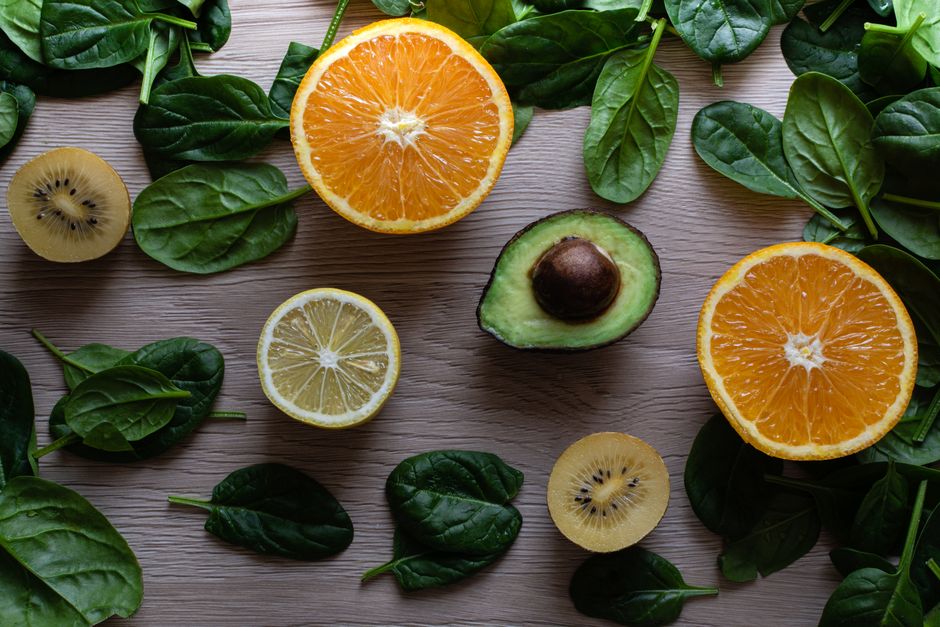
The short answer is that no fruit naturally contains vitamin D. This is a biological fact, not a marketing gap. Vitamin D is found in very few foods, and fruits are not among them.
Some mushrooms treated with UV light contain vitamin D, but mushrooms are fungi, not fruit. Fortified foods like orange juice can have vitamin D added, but that is not natural. If you are looking for vitamin D from whole foods, you need to look beyond the produce section.
The real sources are fatty fish, egg yolks, and UV-treated mushrooms. Sun exposure remains the most efficient way for your body to produce vitamin D. For most people, food alone rarely provides enough.
Why Do Fruits Not Contain Vitamin D?
Plants do not make vitamin D the way animals do. Vitamin D is produced in animal tissues through a process that starts with sunlight. When your skin is exposed to UVB rays, it synthesizes vitamin D from cholesterol. That process does not happen in plant cells.
Fruits store sugars, vitamins like C, and antioxidants. They do not store vitamin D because they have no biological need for it. The vitamin D pathway requires animal metabolism. This is why the natural food sources of vitamin D are almost entirely animal-based.
Some plants, like certain mushrooms, can convert ergosterol into vitamin D2 when exposed to UV light. But this is a fungal trait, not a plant trait. Fruits lack the precursor compounds needed for this conversion.
What Foods Actually Contain Vitamin D?
The natural food sources of vitamin D are limited. This is not a controversial point in nutrition science. The list is short and consistent across dietary guidelines.
- Fatty fish such as salmon, mackerel, and sardines
- Fish liver oils like cod liver oil
- Egg yolks from chickens raised with access to sunlight
- UV-treated mushrooms such as portobello or shiitake exposed to UV light
- Beef liver in smaller amounts
Fortified foods are a separate category. Milk, plant-based milks, breakfast cereals, and some orange juice brands have vitamin D added during processing. Fortification is a public health measure, not a natural source.
The amounts in food are generally low. A serving of cooked salmon provides a meaningful portion of daily needs. An egg yolk provides a small fraction. This is why sun exposure and supplementation matter for most people.
What About Fortified Orange Juice?
Fortified orange juice is the closest thing to a fruit containing vitamin D. But the vitamin is added after juicing. The orange itself does not produce it.
Many brands add vitamin D3 to orange juice to help people who avoid dairy. This can be a useful option for someone who does not drink milk or eat fish. The vitamin D in fortified juice is bioavailable, meaning your body can use it effectively.
Check the nutrition label if this matters to you. Not all orange juice is fortified. The label will list vitamin D as a percentage of daily value if it has been added.
One caution: fortified juice often contains added sugar. Drinking large amounts to reach a vitamin D target is not a sound strategy. The sugar load outweighs the benefit for most people.





How Much Vitamin D Do You Actually Need?
Vitamin D needs are measured in international units, or IU. The recommended daily amount for most adults is 600 IU per day. Adults over 70 need 800 IU per day. These figures come from the National Academies of Sciences, Engineering, and Medicine.
Blood levels are the real measure of status. A blood test for 25-hydroxyvitamin D is the standard way to check. Levels below 20 nanograms per milliliter are considered deficient. Levels between 20 and 50 are generally considered adequate for most people.
Food alone rarely gets you to 600 IU daily unless you eat fatty fish several times per week. One serving of cooked salmon provides roughly 400 to 500 IU. One egg yolk provides about 40 IU. Fortified milk provides about 100 IU per cup.
The math explains why deficiency is common. If you do not eat fish regularly and get limited sun exposure, your intake will likely fall short.
Can Sunlight Replace Food Sources?
Sun exposure is the most efficient way to produce vitamin D. When UVB rays hit your skin, your body synthesizes vitamin D3. This is the same form found in most supplements and animal foods.
Several factors affect how much vitamin D your skin produces. Darker skin requires more sun exposure because melanin reduces UVB absorption. Older skin synthesizes vitamin D less efficiently. Latitude and season matter too. People living far from the equator produce little vitamin D during winter months.
There is no single recommendation for sun exposure time that works for everyone. The amount depends on skin type, location, time of day, and season. General guidance suggests short exposures of arms and legs a few times per week, avoiding sunburn.
Sunburn is the clear signal you have had too much. The goal is exposure without burning. For people in northern climates or with indoor lifestyles, sun exposure alone is often not enough.
Should You Take a Vitamin D Supplement?
Supplementation is a reasonable option for many people, but it is not one-size-fits-all. The evidence for vitamin D supplements is strongest for people with confirmed deficiency or known risk factors.
Risk factors for low vitamin D include limited sun exposure, darker skin, age over 70, obesity, and conditions that affect fat absorption. People with these factors are more likely to benefit from supplementation.
Common supplement doses range from 400 to 2000 IU per day. Higher doses are sometimes prescribed by doctors for confirmed deficiency. Taking very high doses without medical supervision is not recommended because vitamin D is fat-soluble and can accumulate in the body.
Blood testing before starting a supplement is the most accurate approach. A doctor can interpret your level and recommend an appropriate dose. This is safer than guessing based on symptoms, which are often vague or absent.
What Fruits Have Vitamin D The Real Answer
The real answer is simple and direct: no common fruit contains vitamin D naturally. This includes oranges, bananas, apples, berries, and tropical fruits. The claim that any fruit provides vitamin D is not supported by nutritional data.
If you see a fruit product claiming to contain vitamin D, it is either fortified or mislabeled. Fortified orange juice is the main example. The added vitamin D is real and usable by your body, but it does not change the fact that the fruit itself lacks it.
For plant-based eaters, this creates a genuine challenge. Vegan sources of vitamin D are limited to UV-treated mushrooms and fortified foods. Most plant milks are fortified, but not all. Reading labels matters.
Your best strategy is to know your own status. If you are concerned about vitamin D, ask your doctor for a blood test. That single test tells you more than any food list or supplement bottle.
Frequently Asked Questions
Which fruit has the most vitamin D?
No fruit naturally contains vitamin D. Fortified orange juice may contain added vitamin D, but the amount varies by brand and is not a natural property of the fruit.
Can I get enough vitamin D from food alone?
Most people cannot get enough vitamin D from food alone. Fatty fish eaten several times per week can help, but sun exposure or supplements are usually needed to reach adequate levels.
Is vitamin D2 or D3 better?
Vitamin D3 is more effective at raising and maintaining blood levels in most people. Vitamin D2 from plant sources works but may require higher doses to achieve the same effect.
How long does it take to fix a vitamin D deficiency?
With consistent supplementation under medical guidance, blood levels typically improve within two to three months. The exact time depends on your starting level and the dose prescribed.
