
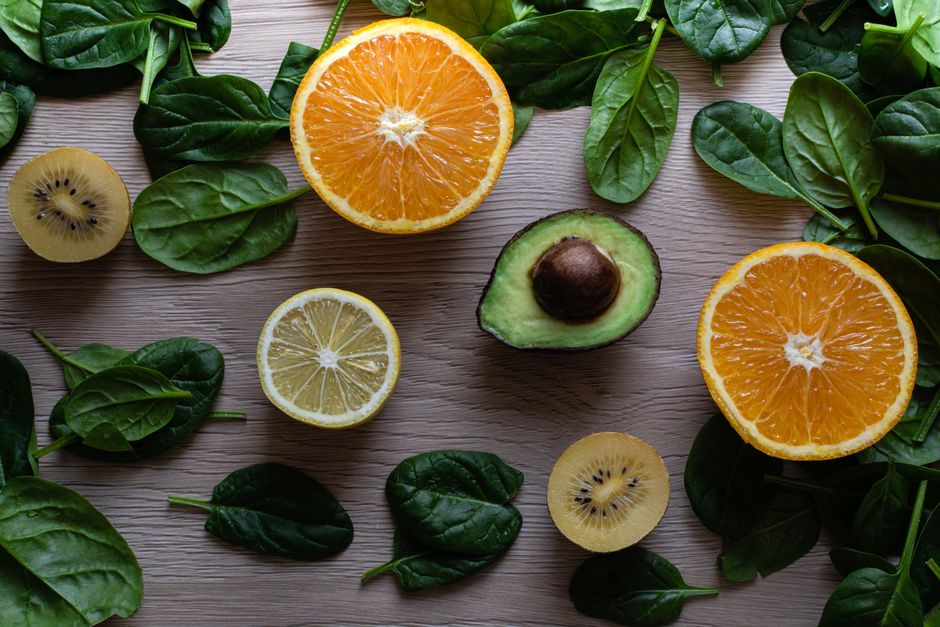
If you want more magnesium from fruit, bananas are a solid choice, but they are not the leader. The fruit with the most magnesium per serving is generally dried figs, followed closely by avocados and dried apricots. Bananas land mid-pack — decent, but not the top source. Fruit alone rarely meets the full daily requirement, but it can make a meaningful contribution when you choose the right ones.
What Fruit Has Magnesium?
Several fruits deliver meaningful amounts of magnesium. The table below uses data from the USDA FoodData Central database, which is the standard reference for nutrient values in the United States.
| Fruit | Serving | Magnesium (approx.) |
|---|---|---|
| Dried figs | 1/2 cup | 50 mg |
| Avocado | 1 medium | 58 mg |
| Dried apricots | 1/2 cup | 35 mg |
| Banana | 1 medium | 32 mg |
| Raisins | 1/2 cup | 25 mg |
| Prunes | 1/2 cup | 20 mg |
| Papaya | 1 cup cubed | 22 mg |
| Kiwi | 1 medium | 13 mg |
| Blackberries | 1 cup | 29 mg |
| Raspberries | 1 cup | 27 mg |
These numbers are approximate. Magnesium content varies with growing conditions, soil quality, and how the fruit is processed or dried. Dried fruit concentrates the mineral because the water is removed, which is why figs and apricots rank so high.
How Much Magnesium Do You Actually Need?
Most adults need between 310 and 420 milligrams of magnesium per day, depending on age and sex. The exact figures come from the National Institutes of Health:
- Adult men age 19–30: 400 mg
- Adult men age 31 and older: 420 mg
- Adult women age 19–30: 310 mg
- Adult women age 31 and older: 320 mg
Pregnant women need slightly more — 350 to 360 mg depending on age. These are the established reference values used in clinical practice.
Now do the math. A banana gives you about 32 mg. An avocado gives you about 58 mg. Even if you ate several servings of fruit a day, you would struggle to hit 420 mg from fruit alone. That is not a flaw in fruit — it is just a reality of where magnesium is concentrated in the food supply.
The foods that carry the most magnesium are not fruits at all. They are seeds, nuts, legumes, and whole grains. Pumpkin seeds, almonds, spinach, black beans, and edamame all deliver far more magnesium per serving than any fruit. Fruit is a helpful supporting player, not the main source.
Why Does Magnesium Matter?
Magnesium is involved in more than 300 enzymatic reactions in the human body. That is not a marketing line — it is a well-established fact in biochemistry. The mineral is required for:
- Energy production (ATP must bind to magnesium to be biologically active)
- Muscle contraction and relaxation
- Nerve signal transmission
- Blood sugar regulation
- Blood pressure regulation
- Bone structure (about 60% of the body’s magnesium is stored in bone)
- DNA and protein synthesis
When magnesium levels drop too low — a condition called hypomagnesemia — symptoms can include muscle cramps, fatigue, weakness, and abnormal heart rhythms. Severe deficiency is uncommon in healthy people eating a varied diet, but mild shortfalls are more common than many people realize.
Some research suggests that low magnesium intake is associated with higher risk of type 2 diabetes, high blood pressure, and certain cardiovascular conditions. The evidence for these associations is reasonably consistent in observational studies, though it does not prove that magnesium supplementation prevents these conditions.





Does Fruit Alone Prevent Magnesium Deficiency?
No. Fruit contributes to magnesium intake, but it cannot carry the full load. This is worth stating plainly because some online sources imply that eating bananas or avocados solves the magnesium question. It does not.
Clinical magnesium deficiency is most often caused by:
- Chronic gastrointestinal conditions that impair absorption (Crohn’s disease, celiac disease)
- Kidney disorders that increase magnesium loss
- Long-term use of certain medications, including proton pump inhibitors and diuretics
- Chronic alcohol use
- Poorly controlled diabetes
Diet alone rarely causes severe deficiency in otherwise healthy adults, because the kidneys are efficient at conserving magnesium when intake drops. But a diet low in nuts, seeds, legumes, and whole grains — even if rich in fruit — can leave you short over time.
Which Fruits Are Worth Prioritizing for Magnesium?
If magnesium is your goal, these fruits give you the best return:
- Avocado — one medium avocado provides about 58 mg. It also delivers potassium and healthy fat.
- Dried figs — a half-cup provides about 50 mg. Dried fruit is calorie-dense, so portion size matters.
- Dried apricots — a half-cup provides about 35 mg.
- Banana — one medium provides about 32 mg. Convenient and widely available.
- Blackberries and raspberries — one cup provides roughly 27–29 mg.
- Papaya — one cup cubed provides about 22 mg.
Dried fruit deserves a note of caution. It concentrates magnesium, but it also concentrates sugar and calories. A half-cup of dried figs has far more sugar than a half-cup of fresh fruit. For most people this is not a problem in moderation, but it is worth knowing if you are managing blood sugar.
Do You Need a Magnesium Supplement?
Most healthy adults who eat a varied diet do not need a magnesium supplement. That is the standard clinical position. The kidneys regulate magnesium levels tightly, and food sources are generally sufficient.
That said, some groups may be at higher risk of low magnesium:
- People taking proton pump inhibitors for acid reflux long-term
- People taking diuretics for blood pressure
- People with type 2 diabetes
- People with alcohol use disorder
- Older adults, who tend to absorb magnesium less efficiently and often eat less
If you fall into one of these groups, talk to your doctor before starting a supplement. Magnesium supplements can interact with certain medications, including some antibiotics and bisphosphonates. High doses can cause diarrhea and, in people with kidney disease, dangerous accumulation.
No clinical guidelines currently recommend routine magnesium supplementation for the general adult population. The evidence does not support it for people without a diagnosed deficiency or a clear risk factor.
Can You Get Too Much Magnesium From Fruit?
No. It is essentially impossible to overdose on magnesium from food. The kidneys excrete excess magnesium efficiently in healthy people.
The tolerable upper intake level for magnesium from supplements is 350 mg per day for adults. That limit does not apply to food sources. This is an important distinction — it means you do not need to worry about eating too many avocados or figs, but you should be more careful with supplement dosing.
People with impaired kidney function are the exception. Their kidneys cannot clear excess magnesium effectively, which is why magnesium supplementation requires medical supervision in that group.
Frequently Asked Questions
Which fruit has the most magnesium?
Avocados and dried figs are among the highest-magnesium fruits, providing roughly 50–58 mg per serving. Dried apricots and bananas also contribute meaningfully but at lower levels.
Is banana a good source of magnesium?
A medium banana provides about 32 mg of magnesium, which is roughly 8–10% of the daily requirement for most adults. It is a useful contribution but not a top-tier source.
Can eating fruit alone meet your magnesium needs?
No. Fruit contributes to magnesium intake, but nuts, seeds, legumes, and whole grains are far denser sources. Meeting the full daily requirement from fruit alone would be impractical.
Does cooking or drying fruit affect its magnesium content?
Drying concentrates magnesium because water is removed, so dried fruit has more per serving than fresh. Cooking generally does not destroy magnesium, since it is a mineral and heat-stable.
