
Psoriasis is an immune-mediated condition, not a food allergy, so no single food causes it. That said, many people with psoriasis notice their skin gets worse after eating certain things, and research points to a few patterns worth knowing. The foods most often linked to flares include alcohol, high-sugar and highly processed foods, and red meat. Some people also react to gluten or nightshades, though the evidence for those is much weaker and more individual.
What Foods Trigger Psoriasis Flare Ups?
There is no official list of psoriasis trigger foods. What exists instead is a body of research on diet patterns and inflammation, plus a lot of patient experience.
The strongest signals point to alcohol and to diets high in sugar, refined carbohydrates, and processed fats. These are linked to increased systemic inflammation, which is the same process driving psoriasis plaques.
Weaker but real signals point to gluten in people who also have celiac disease or gluten sensitivity, and to nightshades like tomatoes, potatoes, and peppers in a subset of people who report reactions.
What does not exist is a universal trigger food. Two people with psoriasis can eat the same meal and have completely different skin responses. That is why blanket elimination diets rarely help and can sometimes cause harm by removing nutrients the body needs.
Why Does Diet Affect Psoriasis at All?
Psoriasis is driven by an overactive immune response. T cells — a type of white blood cell — mistakenly attack healthy skin cells, speeding up their life cycle from weeks to days. That rapid turnover builds up into the thick, scaly plaques that define the condition.
Diet can influence this process because what you eat affects inflammation throughout the body. Chronic low-grade inflammation from a poor diet does not cause psoriasis, but it can add fuel to an already overactive immune system.
This is why researchers look at diet patterns rather than single ingredients. The Mediterranean diet, for example, has been studied in psoriasis because it is rich in anti-inflammatory foods like fish, olive oil, and vegetables. Some studies suggest people who follow it closely tend to have less severe symptoms. That is a correlation, not proof that the diet itself reduces flares.
One clarification worth making: psoriasis is not caused by eating the wrong foods. It is a genetic and immune condition. Diet is one of several factors — along with stress, infections, medications, and weather — that can influence how active it is.
Is Alcohol Really a Psoriasis Trigger?
Alcohol has one of the clearest links to psoriasis of any dietary factor. Research has consistently found that heavy drinking is associated with more severe psoriasis and with a higher risk of developing the condition in the first place.
The relationship likely runs both ways. Alcohol promotes inflammation, which can worsen plaques. And people with visible psoriasis sometimes drink more to cope with the emotional toll of the condition, which creates a cycle.
For people who notice their skin worsens after drinking, cutting back is a reasonable step to discuss with a doctor. There is no established safe amount of alcohol specifically for psoriasis. General guidance from health authorities recommends limiting alcohol for anyone, and for people with psoriasis who suspect alcohol is a trigger, reducing intake is a common and sensible starting point.
It is worth being honest about the limits here. Most of the research on alcohol and psoriasis is observational. It shows an association. It does not prove that quitting alcohol will clear your skin.


Do Sugar and Processed Foods Make Psoriasis Worse?
High-sugar and highly processed foods are linked to increased inflammation in the body. That connection is well established in nutrition research, and it is the main reason these foods appear on nearly every list of potential psoriasis triggers.
The specific culprits usually named include:
- Sugary drinks and fruit juices with added sugar
- White bread, white pasta, and other refined grains
- Pastries, candy, and packaged snack foods
- Fried foods and foods high in refined seed oils
- Processed meats like bacon, sausage, and deli meats
These foods tend to spike blood sugar, which can promote inflammatory signaling. Some research also links them to obesity, and obesity is independently associated with more severe psoriasis. That makes the relationship complicated — it is hard to separate the effect of the food itself from the effect of body weight.
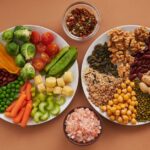
What the evidence supports is a diet pattern, not a single banned ingredient. People who eat more vegetables, fruit, whole grains, fish, and olive oil, and fewer processed foods, tend to report less severe symptoms. Whether that is because of the food or because of the overall healthier lifestyle that comes with it is not fully clear.
What About Gluten and Nightshades?
Gluten and nightshades come up constantly in psoriasis discussions. The evidence for both is mixed and much weaker than for alcohol or processed food.
Gluten is a protein found in wheat, barley, and rye. There is a known link between psoriasis and celiac disease — an autoimmune reaction to gluten. People with celiac disease who also have psoriasis sometimes see skin improvement on a strict gluten-free diet. But for people with psoriasis who do not have celiac disease or a confirmed gluten sensitivity, the evidence that gluten-free eating helps is limited. Going gluten-free without a medical reason can reduce fiber and nutrient intake, so it is worth testing only with a doctor’s guidance.
Nightshades include tomatoes, potatoes, peppers, and eggplant. They contain a compound called solanine, which some people believe promotes inflammation. There is no strong clinical evidence that nightshades trigger psoriasis flares in most people. Some individuals report a difference when they cut them out. That is possible, but it is not a general rule and should not be treated as one.
If you suspect a specific food is a trigger, the most reliable approach is to track your skin alongside your diet for several weeks, then remove one suspect food at a time. Removing many foods at once makes it impossible to know what actually mattered.
Does Losing Weight Help Psoriasis?
Weight and psoriasis are closely connected. People with psoriasis are more likely to carry extra weight, and higher body weight is associated with more severe symptoms. This is one of the better-supported relationships in the field.
Some studies suggest that weight loss — particularly through diet and exercise — is associated with improvement in psoriasis severity. The effect appears modest in most research. It is not a cure, and it does not work for everyone.
What makes this relationship interesting is that it may go both directions. Excess body fat promotes inflammation, which can worsen psoriasis. And psoriasis itself, along with the stress and reduced activity that sometimes come with it, can make weight gain more likely. Breaking that cycle is one reason doctors often discuss weight as part of psoriasis care.
Weight loss is not a guaranteed fix, and framing it that way can be misleading. For some people it helps meaningfully. For others the effect is small. It is best treated as one factor among several, not the answer.
Should You Try an Elimination Diet?
Elimination diets can help identify a personal trigger, but they are easy to get wrong and can do more harm than good if done carelessly.
A structured approach usually looks like this:
- Keep a detailed food and symptom log for two to four weeks
- Identify one or two foods you suspect most
- Remove one at a time for a set period, usually a few weeks
- Reintroduce it and watch for changes in your skin
- Repeat with the next suspect food if needed
Removing many foods at once is the most common mistake. It makes it impossible to tell which food mattered, and it can lead to nutritional gaps. Cutting out entire food groups like dairy, gluten, and nightshades simultaneously is not a safe long-term plan without medical supervision.
Before starting any elimination diet, talk to a doctor or a registered dietitian. They can help you do it in a way that does not compromise your nutrition, and they can rule out other causes of skin changes.
The Bottom Line on Psoriasis and Food
No food causes psoriasis. Some foods can influence how active it is, and the strongest evidence points to alcohol and to diets high in sugar and processed foods. Gluten and nightshades matter for some people but not most.
The most reliable dietary approach is not a strict elimination plan. It is a generally anti-inflammatory eating pattern — more vegetables, fruit, whole grains, fish, and olive oil, and less alcohol, sugar, and processed food. That pattern supports overall health whether or not it changes your skin.
Diet is one lever among several. Psoriasis is a medical condition that usually needs medical treatment. Changes to what you eat can support that treatment, but they are not a replacement for it.
Frequently Asked Questions
What foods should I avoid if I have psoriasis?
The foods most often linked to flares are alcohol, sugary drinks, refined carbohydrates, and processed meats. There is no single food that everyone with psoriasis should avoid, and the evidence is stronger for overall diet patterns than for individual ingredients.
Do tomatoes and potatoes really trigger psoriasis?
There is no strong clinical evidence that nightshades like tomatoes and potatoes trigger psoriasis in most people. Some individuals report a reaction, but this appears to be personal rather than a general rule.
Can cutting out gluten help my psoriasis?
Gluten-free eating may help people who have both psoriasis and celiac disease, a confirmed autoimmune reaction to gluten. For people without celiac disease or gluten sensitivity, the evidence that it helps is limited.
Does alcohol make psoriasis worse?
Research consistently links heavy drinking to more severe psoriasis and a higher risk of developing it. The relationship is an association, not proof that quitting will clear your skin, but reducing alcohol is a reasonable step to discuss with a doctor.
