
There is no single food that causes lichen planus, and no official diet has been proven to treat it. That said, some people with the condition notice flares after eating certain foods, and a few triggers have more evidence behind them than others. The foods most often linked to symptom flares are spicy dishes, acidic foods like citrus and tomatoes, alcohol, and caffeine. The strongest food-related link involves oral lichen planus and dental materials rather than diet itself.
Lichen planus is an inflammatory condition. In most cases it affects the skin, causing itchy purple bumps. It can also affect the mouth (oral lichen planus), the scalp, the nails, and the genital area. It is not contagious and it is not an allergy to a specific food.
What makes the food question tricky is that lichen planus behaves differently in different people. A food that triggers a flare in one person may cause no problem in another. This article separates what research actually supports from what is mostly anecdotal.
What Foods Trigger Lichen Planus?
The honest answer is that no food has been confirmed to cause lichen planus. The condition is driven by an immune response, not by diet. But certain foods are commonly reported to worsen symptoms, especially in the mouth.
These are the foods most often named by patients and clinicians:
- Spicy foods — chili, hot sauce, curry, and pepper can irritate already inflamed oral tissue.
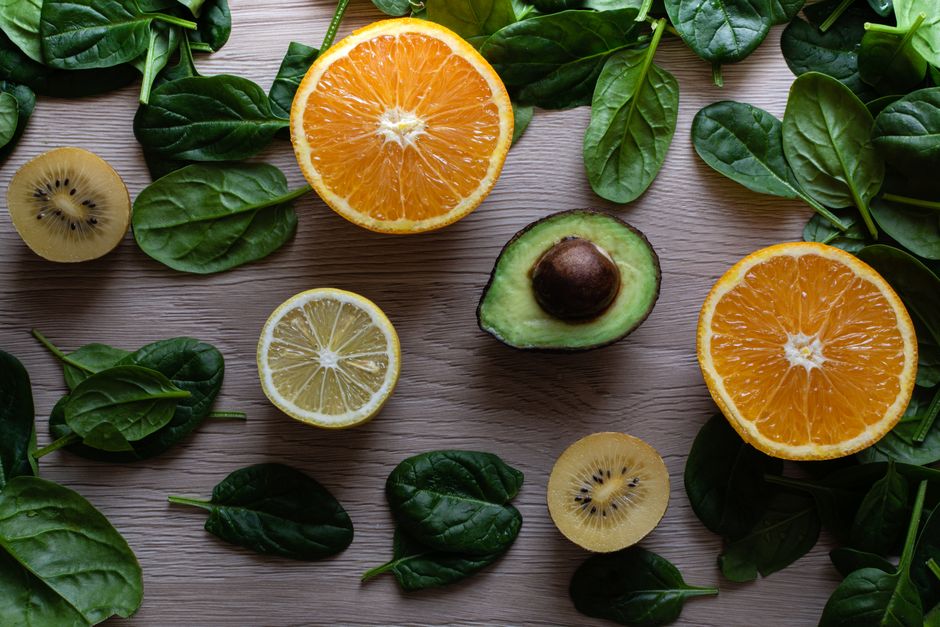
- Acidic foods — citrus fruits, tomatoes, pineapple, and vinegar.
- Alcohol — particularly strong spirits, which can sting and irritate mouth lesions.
- Caffeine — coffee and some teas are frequently reported as triggers.
- Crunchy or sharp foods — chips, crusty bread, and crackers can physically scrape sores.
- Salty and processed foods — high salt can aggravate open mouth lesions.
Notice the pattern. Most of these are irritants, not immune triggers. They do not cause lichen planus. They make existing sores feel worse. That distinction matters, because avoiding them may improve comfort without changing the underlying condition.
One clarification worth making: a food sensitivity and a food trigger are not the same thing. A true allergy involves immune proteins called IgE and produces hives, swelling, or breathing problems. Lichen planus does not work that way. When people say a food “triggers” their lichen planus, they usually mean it worsens discomfort, not that it caused the disease.
Is There Real Evidence That Diet Affects Lichen Planus?
The evidence is limited and mostly observational. No large controlled trial has shown that removing specific foods improves lichen planus. Most of what clinicians know comes from patient reports and small studies.
Some research suggests certain nutritional factors may matter. Low levels of vitamin D have been reported in some people with lichen planus, though it is not clear whether low vitamin D contributes to the condition or is simply more common in people who have it. Some studies have looked at zinc and B vitamins with mixed results. The evidence is mixed, and none of this establishes a cause-and-effect relationship.
There is one area where the link is stronger. Oral lichen planus has a well-documented association with contact reactions to dental materials, particularly amalgam fillings that contain mercury. Some patients see improvement in nearby lesions after the material is replaced. This is a clinical decision made with a dentist, not a dietary one, and it does not help everyone. Research on this is ongoing and results vary.
What has not been established is any specific “lichen planus diet.” If you search online you will find elimination protocols, anti-inflammatory diets, and supplement regimens marketed for the condition. No clinical evidence currently confirms that any of these treat lichen planus.
Why Do Certain Foods Make Oral Lichen Planus Worse?
Oral lichen planus produces white lacy patches, red patches, or open sores inside the mouth. That tissue is already inflamed. The lining of the mouth is thin and sensitive even in healthy people.
When you eat something acidic, spicy, or sharp, it contacts that inflamed surface directly. The result is a burning or stinging sensation that can last minutes to hours. Alcohol does something similar. It also dries the mouth, and less saliva means less natural protection for sore tissue.
This is a mechanical and chemical irritation story, not an immune one. The food is not restarting the disease. It is aggravating tissue that is already vulnerable. That is why the reaction tends to be immediate and localized to where the food touched the sore.
Skin lichen planus behaves differently. Foods do not typically affect skin lesions, because the food never contacts the skin. People with skin-only lichen planus usually do not need to change their diet at all.
How Can You Tell Which Foods Affect You?
There is no lab test that identifies food triggers for lichen planus. The only practical method is careful observation.
Keep a simple food and symptom log for a few weeks. Note what you ate and whether you noticed burning, stinging, or new discomfort within a few hours. Patterns often emerge. Most people find one or two consistent culprits rather than a long list.
Be cautious about broad elimination. Cutting out many food groups at once can make it hard to know what mattered, and it can compromise nutrition. A more sensible approach is to test one suspected food at a time. Remove it for a period, then reintroduce it and see whether symptoms return.
If you do find a consistent trigger, avoiding it is reasonable. But it is worth telling your clinician, because persistent oral symptoms should be evaluated. Oral lichen planus needs monitoring for reasons unrelated to diet, which the next section explains.
When Should Oral Symptoms Be Checked by a Doctor?
Oral lichen planus is considered a potentially malignant condition. That sounds alarming, and it should be put in context. The risk of transformation to oral cancer is low, but it is higher than in the general population. This is why regular monitoring matters.
Any persistent mouth sore, white patch, or red patch should be examined by a dentist or physician. Particular warning signs include:
- A sore that does not heal within a few weeks
- New firmness, thickening, or a lump in the area
- Bleeding that was not there before
- Difficulty swallowing or a feeling that something is stuck in the throat
- Unexplained weight loss alongside mouth symptoms
These signs do not mean cancer is present. They mean the area needs a professional look. Diet changes should never delay that evaluation.
It is also worth knowing that some medications can cause lichen planus-like reactions in the mouth. Certain blood pressure drugs, diabetes medications, and anti-inflammatory drugs have been associated with these reactions. If oral lesions appeared after starting a new medication, that is worth raising with your prescriber. Do not stop any medication on your own.
What About Anti-Inflammatory Diets and Supplements?
General healthy eating supports overall health, and there is no harm in a balanced diet rich in vegetables, fruits, whole grains, and lean protein. But it is important not to overstate what this does for lichen planus specifically.
No clinical evidence currently confirms that any diet cures or controls lichen planus. Claims about “alkaline diets,” “anti-inflammatory protocols,” or specific supplements resolving the condition are marketing, not established medicine.
Supplement caution is warranted. High doses of some vitamins and minerals can cause harm, and supplements can interact with medications. If you are considering supplements for any reason, discuss it with your clinician first. There are no established dosing guidelines for using supplements to treat lichen planus, because the evidence does not support that use.
The standard treatments for lichen planus are topical or systemic medications prescribed by a clinician, usually corticosteroids for flares. Diet is a comfort measure at best, not a treatment. That framing keeps expectations honest.
Frequently Asked Questions
What foods should I avoid with lichen planus?
There is no official list, but spicy foods, acidic foods, alcohol, and caffeine are most often reported to worsen oral symptoms. Avoiding them may improve comfort but does not treat the condition.
Does sugar make lichen planus worse?
No clinical evidence confirms that sugar worsens lichen planus. Some people report flares after sugary or processed foods, but this is anecdotal rather than proven.
Can lichen planus be caused by a food allergy?
No. Lichen planus is an immune-mediated inflammatory condition, not an allergic reaction to food. Food allergies produce different symptoms such as hives or swelling.
Will changing my diet cure oral lichen planus?
No. No diet has been shown to cure lichen planus. Avoiding personal trigger foods may reduce discomfort, but medical treatment and monitoring are the established approach.
