
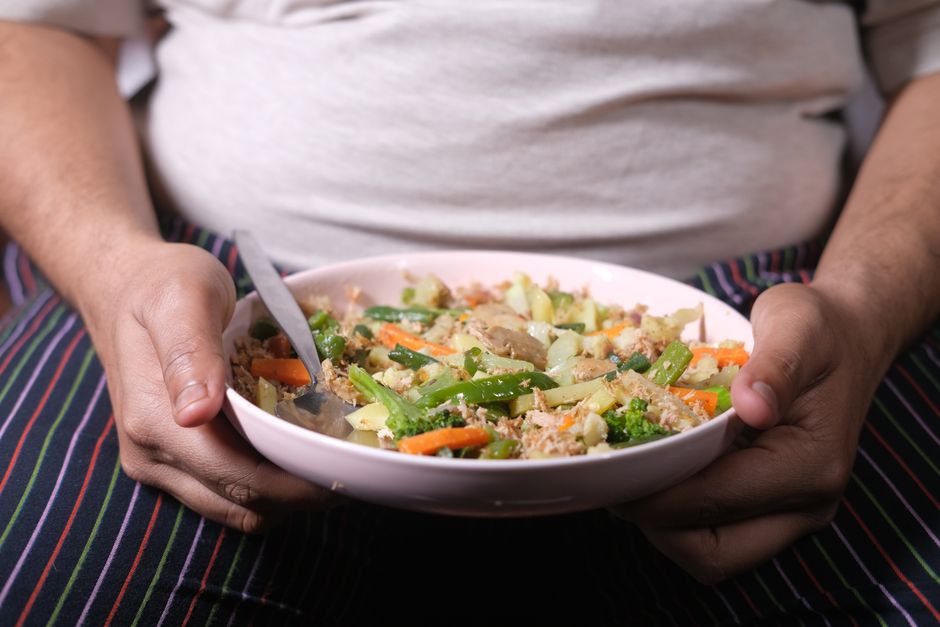
If you have an enlarged prostate, the food choices most often linked to worse urinary symptoms are spicy foods, caffeine, alcohol, and heavily processed or high-fat meals. These do not cause prostate enlargement, but they can irritate the bladder and prostate and make frequent urination, urgency, and a weak stream feel worse. Cutting back on them is one of the few diet changes with a plausible and commonly reported effect on day-to-day symptoms.
An enlarged prostate, called benign prostatic hyperplasia or BPH, is a non-cancerous growth of the prostate gland. It is extremely common as men age. The gland sits right below the bladder and wraps around the tube that carries urine out of the body, so when it grows it can squeeze that tube and change how you urinate. What you eat does not shrink the prostate. But certain foods and drinks can influence how much your bladder complains.
What Foods To Avoid With An Enlarged Prostate?
The list below reflects foods and drinks that clinicians commonly suggest limiting when urinary symptoms are bothersome. The evidence for most of these is based on reported symptom triggers and known effects on the bladder, not on large trials proving that removing them shrinks the prostate or cures BPH.
- Spicy foods — chili, hot peppers, curry, and hot sauces are frequently reported to worsen urgency and burning.
- Caffeine — coffee, tea, cola, and energy drinks act as diuretics and can irritate the bladder.
- Alcohol — especially beer and spirits, which increase urine production and can worsen urgency and nighttime urination.
- High-fat and fried foods — associated with worse lower urinary tract symptoms in some observational studies.
- Red and processed meats — linked in some research to prostate problems, though the evidence is not definitive for BPH symptoms.
- Added sugars and refined carbohydrates — may contribute to inflammation and weight gain, both relevant to symptom severity.
- Very salty foods — high sodium can lead to fluid retention and more nighttime urination.
- Carbonated and artificially sweetened drinks — some men report they trigger urgency, though evidence is limited.
Not every man reacts to every item on this list. The most reliable way to know your own triggers is to notice which foods and drinks tend to precede a bad urinary day. That is a personal pattern, not a universal rule.
Why Do These Foods Make Prostate Symptoms Worse?
These foods do not enlarge the prostate. They affect the bladder and the muscles around it. The bladder is a muscular sac with a sensitive lining, and certain compounds can irritate that lining or stimulate the muscle to contract when it should be relaxed.
Caffeine and alcohol both increase urine output. Caffeine is a mild diuretic and also a stimulant that can make the bladder muscle twitchier. Alcohol suppresses a hormone that helps your body hold onto water, so you produce more urine. Both can turn a manageable prostate into a night of trips to the bathroom.
Spicy foods contain capsaicin and related compounds that can irritate the bladder lining in sensitive people. This is why some men notice burning or urgency after a hot meal. It is a real effect for some, and nothing at all for others.
High-fat and processed diets work differently. They are linked to inflammation and to weight gain, and excess body fat is consistently associated with more severe urinary symptoms. This is a slower, cumulative effect rather than an immediate one.
Does Diet Actually Shrink an Enlarged Prostate?
No. No food or diet has been shown to shrink an enlarged prostate. BPH is driven mainly by age and hormonal changes, particularly the conversion of testosterone into a more potent form called DHT. Diet can influence symptoms and overall prostate health, but it does not reverse the underlying growth.
That distinction matters. If you are expecting a dietary change to make the prostate smaller, you will be disappointed. What diet can realistically do is reduce bladder irritation and support a healthier weight, both of which can make symptoms easier to live with.
Some research suggests that diets rich in vegetables, especially cruciferous and lycopene-rich ones, are associated with a lower risk of prostate problems. This is an association, not proof of cause and effect. It is reasonable to eat more of these foods. It is not reasonable to expect them to treat BPH on their own.

What Should You Drink Instead?
What you drink can matter as much as what you eat. Many men find that simply changing their beverage habits reduces urinary symptoms more than any food change.
- Water — the default. Stay hydrated, but shift more of your intake to earlier in the day.
- Decaffeinated herbal teas — many are gentle on the bladder. Avoid those with known diuretic herbs if symptoms are bad.
- Low-sugar, non-carbonated drinks — some men tolerate these better than soda.
Timing is a practical lever. Drinking most of your fluids before the evening can reduce nighttime urination, which is often the most disruptive symptom. Cutting fluids a couple of hours before bed is a common and reasonable strategy, though the exact window that helps varies from person to person.
Is There a Diet That Helps an Enlarged Prostate?
There is no single proven BPH diet. The most commonly recommended pattern is one low in processed and fried foods and rich in vegetables, fruit, whole grains, and lean protein. This overlaps with eating patterns linked to lower rates of many chronic conditions, including prostate issues.
Some research points toward specific nutrients. Lycopene, found in cooked tomatoes, and certain compounds in cruciferous vegetables like broccoli and cauliflower have been studied for prostate health. The results are mixed and do not establish that eating these foods treats BPH.
Zinc and vitamin D have also been studied. The evidence does not support taking high-dose supplements to treat an enlarged prostate, and high-dose zinc in particular can be harmful. If you are considering supplements, that is a conversation to have with a clinician rather than a decision to make from a label.
Does Weight or Lifestyle Matter More Than Specific Foods?
Body weight may matter more than any single food. Excess weight, particularly around the abdomen, is consistently associated with more severe lower urinary tract symptoms. Losing even a modest amount of weight is one of the more reliable non-drug steps some men take to ease symptoms.
Physical activity is linked to better urinary symptoms in observational studies. This does not mean exercise treats BPH directly, but an active, healthy-weight lifestyle tends to go hand in hand with milder symptoms.
Other habits matter too. Smoking is associated with worse urinary symptoms. Constipation can press on the bladder and worsen things, so adequate fiber and fluids help. And some over-the-counter cold and allergy medicines can tighten the bladder outlet and trigger sudden difficulty urinating, so it is worth checking labels if your symptoms flare.
When Should You See a Doctor?
Diet changes are supportive, not a substitute for medical care. See a clinician if you have a weak stream, trouble starting urination, dribbling, a sense that your bladder never fully empties, or you are getting up multiple times a night.
Seek care promptly if you cannot urinate at all, have blood in your urine, have pain or fever with urinary symptoms, or notice a sudden change. These can signal a blockage or infection that needs treatment right away.
An enlarged prostate is common and manageable. For many men, treatment options include lifestyle changes, medications, and procedures, and a clinician can help match the approach to how much the symptoms affect daily life. Diet is one piece of that picture, not the whole of it.
Frequently Asked Questions
Does coffee make an enlarged prostate worse?
Caffeine can worsen urinary symptoms because it increases urine output and can irritate the bladder. It does not enlarge the prostate itself, so cutting back is about managing symptoms rather than treating the gland.
Is alcohol bad for an enlarged prostate?
Alcohol increases urine production and is commonly reported to worsen urgency and nighttime urination. Limiting it, especially in the evening, is a reasonable step if symptoms bother you.
Can changing my diet cure BPH?
No. Diet cannot shrink an enlarged prostate or cure BPH, which is driven mainly by age and hormonal changes. Diet can help reduce bladder irritation and support a healthier weight, which may ease symptoms.
What foods are best for prostate health?
A diet rich in vegetables, fruit, whole grains, and lean protein, and low in processed and fried foods, is the most commonly recommended pattern. Some research links cooked tomatoes and cruciferous vegetables to better prostate health, but this is not proof they treat BPH.
