
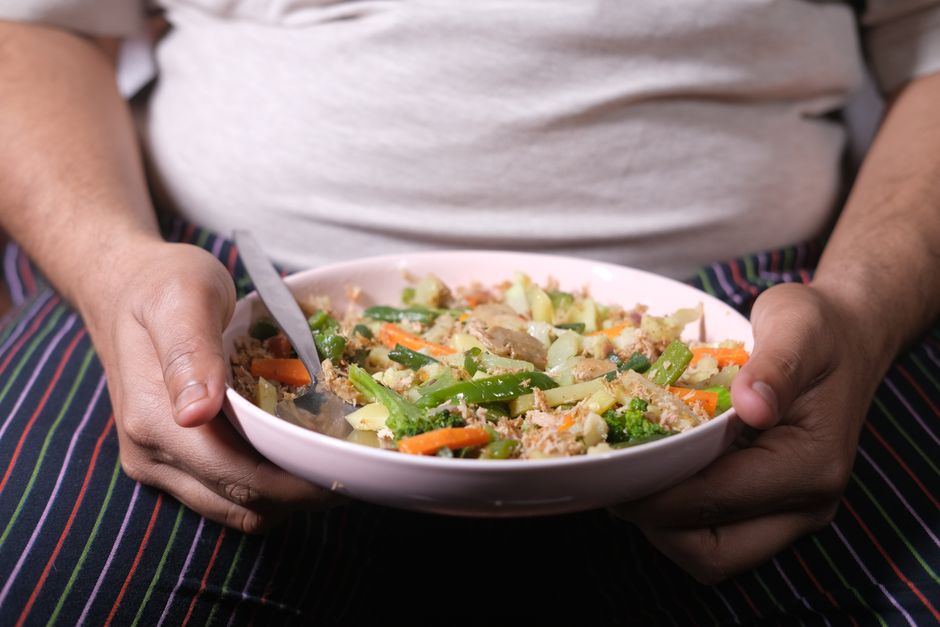
Inflammation is a normal immune response. It becomes a problem when it stays switched on at low levels for months or years. The foods most consistently linked to higher chronic inflammation are sugary drinks, refined carbohydrates, processed meats, fried foods and foods high in added sugar. Cutting back on these is the practical answer most people are looking for.
That said, no single food causes inflammation on its own, and no single food fixes it. The overall pattern of what you eat matters more than any one item. This article explains what the evidence actually shows, what it does not, and why the picture is more nuanced than most headlines suggest.
What Foods To Avoid For Inflammation Explained
Chronic low-grade inflammation is different from the redness and swelling you get from a cut or an infection. It is a persistent, simmering immune activation that has been linked in research to heart disease, type 2 diabetes, and some cancers. Diet is one of several factors that influence it, alongside body weight, physical activity, sleep, stress, and smoking.
The foods below are the ones most consistently associated with higher markers of inflammation in observational studies. That does not mean eating them once causes harm. It means regular, heavy consumption of them is a pattern worth paying attention to.
- Sugar-sweetened drinks. Regular soda and sweetened juices spike blood sugar and are among the most consistently linked items in the research.
- Refined carbohydrates. White bread, white rice, pastries, and most packaged snacks digest quickly and can drive repeated blood sugar swings.
- Processed meats. Bacon, sausage, hot dogs, and deli meats are associated with higher inflammation markers in multiple studies.
- Fried foods. Especially those fried in oils high in omega-6 fats and repeatedly reheated.
- Added sugars and high-fructose corn syrup. Found in many sauces, cereals, and “health” snacks.
- Excess alcohol. Heavy drinking is linked to increased inflammatory markers.
- Trans fats. Largely removed from the US food supply, but still present in some products.
Notice that most of these are not “foods” in the traditional sense. They are processed products. That is not a coincidence. The strongest dietary signal in inflammation research points toward heavily processed food patterns, not toward individual ingredients.
Why Do These Foods Increase Inflammation?
The mechanisms are reasonably well understood, though the details are complex. Blood sugar spikes are one pathway. When you eat rapidly digesting carbohydrates, glucose rises quickly. Repeated spikes over time are associated with increased production of inflammatory markers.
Another pathway involves fat quality. Some fats, particularly trans fats and excess omega-6 relative to omega-3, appear to promote inflammatory signaling. This does not mean omega-6 fats are “bad” — they are essential. The issue is the ratio and the amount.
Processed meats may also contribute through compounds formed during processing and cooking. Nitrates, nitrites, and heterocyclic amines formed at high heat have been studied for their role in inflammation and cancer risk. The evidence is strongest for cancer risk and more limited for direct inflammation effects.
One clarification worth making: the idea that certain foods are “inflammatory” and others are “anti-inflammatory” gets oversimplified online. The immune system does not respond to a single meal in a simple on-off way. What matters is the cumulative pattern over weeks and months.
Are Seed Oils Really Inflammatory?
This is one of the most debated questions in nutrition right now. Seed oils like soybean, canola, sunflower, and corn oil are high in omega-6 fats. Some popular claims say these oils cause inflammation and should be avoided.
The evidence does not clearly support that claim. Controlled trials have generally not found that replacing saturated fat with omega-6-rich oils raises inflammatory markers. In fact, some studies suggest the opposite. The American Heart Association and other major health bodies have continued to recommend these oils as replacements for saturated fats.
That said, the long-term effects of very high intakes are not fully settled, and the research is ongoing. What is clearer is that deep-fried foods — whatever oil they use — are linked to worse health outcomes, likely because of the frying process itself and the overall dietary pattern they tend to accompany.
If you are choosing between butter and canola oil for everyday cooking, the current evidence favors the plant oil. But this is not a dramatic inflammation story. It is a modest, well-supported substitution.
What About Sugar and Artificial Sweeteners?
Added sugar is one of the most consistently linked dietary factors in inflammation research. High intake is associated with higher levels of C-reactive protein, a common marker of inflammation, in many observational studies.
The World Health Organization recommends limiting free sugars to less than 10% of total energy intake, with additional benefits suggested below 5%. For a person eating 2,000 calories a day, 10% is about 50 grams of sugar. That is roughly one 12-ounce can of regular soda plus a few grams from other sources.
Artificial sweeteners are a different question. The evidence on whether they affect inflammation is limited and mixed. Some small studies have raised questions about effects on gut bacteria. No large human trials have confirmed that typical consumption causes meaningful inflammation. This is an area where honest uncertainty is the right position.
Does Cutting These Foods Out Actually Reduce Inflammation?
The short answer is that dietary changes can measurably affect inflammation markers, but the effects are modest and vary between people. This is not a switch you flip.
Trials of Mediterranean-style eating patterns — which emphasize vegetables, fruit, legumes, whole grains, fish, and olive oil while limiting processed foods — have shown reductions in inflammatory markers compared to control diets in some studies. The effects are real but generally not dramatic. They are also difficult to separate from weight loss, which itself reduces inflammation.
Weight matters here. Excess body fat, particularly visceral fat around the organs, produces inflammatory compounds. Losing weight through any means tends to lower inflammation markers. That makes it hard to attribute improvements solely to removing a specific food.
What the evidence does support is that overall dietary pattern matters more than individual eliminations. Removing soda while eating mostly fried food and refined carbs is unlikely to move the needle much. The pattern is what counts.
Does Everyone Need to Avoid These Foods?
No. The advice to limit these foods is general guidance, not a prescription for every person. Someone with no risk factors who eats them occasionally is not doing meaningful harm.
The people for whom this matters most are those with existing conditions linked to chronic inflammation — heart disease, type 2 diabetes, autoimmune conditions, or obesity. For them, dietary changes are typically part of a broader management plan developed with a clinician.
It is also worth being honest about what dietary change can and cannot do. It is not a substitute for medical treatment, and no food pattern has been shown to cure inflammatory disease. It is one lever among several.
If you are considering significant dietary changes for a health condition, especially one involving medication, talk to your doctor or a registered dietitian. General guidance is not the same as personalized medical advice.
What Should You Eat Instead?
Focusing only on what to avoid is a mistake. The foods you add matter just as much, and the evidence for a plant-forward pattern is stronger than the evidence for any single elimination.
Vegetables, fruit, whole grains, legumes, nuts, fatty fish, and olive oil are the foods most consistently associated with lower inflammation markers in research. This is the Mediterranean pattern again, and it is the one with the most consistent supporting evidence.
Fatty fish like salmon, sardines, and mackerel provide omega-3 fats, which have been studied for their role in reducing inflammatory markers. The evidence is strongest for very high doses used in clinical settings, and more modest for typical dietary amounts. Still, the pattern of eating fish regularly is well supported.
Fiber deserves a mention. Higher fiber intake is associated with lower inflammation in many studies, likely through effects on gut bacteria and blood sugar. Most US adults do not meet the recommended daily fiber intake, which is roughly 25 to 38 grams depending on age and sex.
Practical approach: rather than building a list of forbidden foods, build meals around plants, add fish a couple times a week, cook at home more often, and drink water instead of soda. That covers most of what the evidence supports without turning eating into a set of rules.
Frequently Asked Questions
What is the single worst food for inflammation?
Sugar-sweetened drinks are among the most consistently linked to higher inflammation markers in research. No single food is uniquely harmful, but regular soda consumption stands out because it delivers a large sugar load with no other nutritional benefit.
Do eggs cause inflammation?
No good evidence shows that eggs cause inflammation in most people. Eggs were once restricted over cholesterol concerns, but current dietary guidance no longer treats dietary cholesterol as a major concern for most healthy adults.
How long does it take to reduce inflammation with diet?
Some studies have shown changes in inflammatory markers within a few weeks of dietary change. Meaningful long-term effects typically depend on sustained changes over months, and results vary between people.
Is coffee inflammatory?
Coffee is not generally considered inflammatory and may have neutral or slightly favorable effects in most people. The problem usually comes from what is added — large amounts of sugar, syrups, and cream.
