
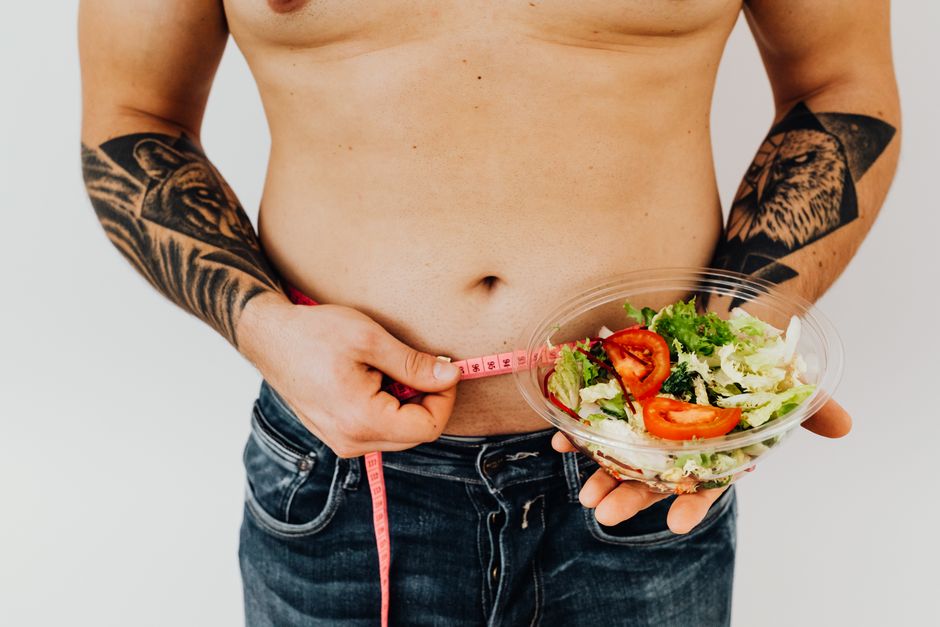
Fat loss comes down to a consistent calorie deficit, but the foods you choose make that deficit much easier or much harder to manage. Some foods are so calorie-dense and low in satiety that they actively work against your efforts. The most direct answer is to limit liquid calories, refined grains, and foods high in added sugar and industrial seed oils, while prioritizing protein and fiber-rich whole foods that keep you full.
Why Some Foods Make Fat Loss Harder
Foods do not have magical fat-burning properties, and no single food directly causes fat gain. The problem is that certain foods are engineered to be easy to overeat. They are high in calories, low in volume, and lack protein and fiber, which are the two nutrients that most strongly signal fullness to your brain.
When you eat a food that is calorie-dense but not satiating, you consume more calories before you feel satisfied. Over weeks and months, that consistent surplus is what leads to fat storage. Understanding this mechanism is more useful than memorizing a list of forbidden foods.
Your body also processes different foods differently. Liquid calories, for example, do not trigger the same fullness signals as solid food. Highly refined carbohydrates spike blood sugar quickly, and the subsequent drop can drive hunger within a couple of hours. These are not moral failings — they are physiological responses.
Liquid Calories Are the Easiest to Overconsume
Sugary drinks are the clearest example of calories that do not satisfy hunger. A can of regular soda contains roughly 150 calories, all from sugar, and provides essentially no protein, fiber, or lasting fullness. Research consistently shows that people do not compensate for liquid calories by eating less later in the day.
Fruit juice is not a health food in this context. Even 100% juice without added sugar is essentially sugar water with some vitamins. A glass of orange juice contains the sugar of several whole oranges but none of the fiber that slows absorption. Whole fruit is the better choice because the fiber and chewing effort increase satiety.
Other liquid calories to watch include sweetened coffee drinks, sports drinks, and alcohol. A flavored latte can contain 300-500 calories. Beer and cocktails add calories with no nutritional benefit and can also lower inhibitions around food choices later in the evening.
Refined Grains and Added Sugar
Refined carbohydrates are grains that have been stripped of their fiber and nutrients. White bread, white rice, pasta, and most breakfast cereals fall into this category. They digest quickly, raise blood sugar rapidly, and do not keep you full for long.
This does not mean carbohydrates are the enemy. Whole grains like oats, brown rice, and quinoa contain fiber that slows digestion and increases fullness. The issue is the refined versions, which behave more like sugar in the body.
Added sugar is worth treating as a separate category. It appears in obvious places like candy, desserts, and sweetened yogurt, but also in less obvious ones like pasta sauce, salad dressing, and granola bars. The 2020-2025 Dietary Guidelines for Americans recommend limiting added sugar to less than 10% of daily calories. For a 2,000-calorie diet, that is about 200 calories, or 50 grams, of added sugar per day.
Reading ingredient lists matters because sugar has many names. Corn syrup, honey, agave nectar, maltose, and fruit juice concentrate are all forms of added sugar. The body processes them similarly, so the distinction is mostly semantic.



Ultra-Processed Foods and the Overeating Problem
Ultra-processed foods are industrial formulations that combine refined flour, added sugar, unhealthy fats, and artificial additives. Examples include packaged snacks, frozen meals, fast food, and most breakfast cereals. These foods are designed to be hyper-palatable — they taste good enough to keep you eating past the point of fullness.
A well-known study from the National Institutes of Health examined this directly. Participants were offered diets matched for calories, sugar, fat, and fiber, but one group ate ultra-processed foods while the other ate minimally processed foods. The ultra-processed group ate about 500 more calories per day and gained weight, while the minimally processed group ate less and lost weight.
This is not about willpower. Ultra-processed foods appear to disrupt the normal signals that tell you when you have eaten enough. They are also generally lower in protein and fiber, which are the two nutrients most strongly associated with feeling full.
You do not need to eliminate all processed foods. The goal is to recognize that these items are calorie-dense and easy to overeat, so they require more conscious portion control. A practical approach is to build meals around whole foods — lean protein, vegetables, fruits, and whole grains — and treat processed foods as occasional extras rather than staples.
Fried Foods and Industrial Seed Oils
Fried foods are a double problem. They are calorie-dense because frying adds significant fat, and the foods that are typically fried — like french fries, fried chicken, and battered fish — are usually refined carbohydrates or processed meats. A serving of french fries contains roughly 350-400 calories, most of which come from the oil absorbed during cooking.
Beyond calories, the type of fat matters. Many restaurants and packaged foods use industrial seed oils like soybean, corn, and canola oil, which are high in omega-6 fatty acids. These oils are not inherently toxic, but they are often used in excess and are rarely part of a balanced diet.
Repeatedly heating these oils, as happens in commercial fryers, can create compounds that are inflammatory. The evidence on this is still developing, but the practical takeaway is simple: fried foods are calorie-dense and provide little nutritional value, so they should be limited regardless of the oil used.
Foods That Are Easy to Overeat Even When “Healthy”
Some foods carry a health halo that does not match their calorie content. Nuts and nut butters are nutritious and contain healthy fats, but they are extremely calorie-dense. A handful of almonds is about 160 calories, and it is easy to eat several handfuls without noticing.
Dried fruit is another example. It retains the sugar of fresh fruit but loses the water and volume that contribute to fullness. A cup of raisins contains about 480 calories, while a cup of grapes contains about 100. Both come from the same fruit, but the dried version is far easier to overeat.
Granola, trail mix, and protein bars sit in a similar category. They are marketed as healthy, but many commercial versions are high in added sugar and calories. Checking the nutrition label is the only reliable way to know what you are actually eating.
This is not a reason to avoid these foods entirely. It is a reason to measure portions, at least until you have a sense of what a serving actually looks like. A food scale or measuring cups are useful tools, not obsessive habits.
What to Eat Instead
The most effective fat loss diet is not a list of forbidden foods. It is a pattern of eating that keeps you full while maintaining a calorie deficit. Lean proteins like chicken breast, fish, eggs, and Greek yogurt are highly satiating. Vegetables provide volume and fiber for very few calories. Whole fruits and whole grains add carbohydrates with the fiber intact.
Protein deserves particular attention because it has the strongest effect on fullness of any macronutrient. Studies have found that higher protein intakes help preserve muscle mass during weight loss, which matters because muscle tissue burns more calories at rest than fat tissue.
Fiber is the other key nutrient. It slows digestion, stabilizes blood sugar, and adds bulk to meals. Most adults fall well short of the recommended 25-38 grams per day, so increasing fiber through vegetables, fruits, beans, and whole grains is a practical step that supports fat loss.
Water and unsweetened beverages should replace sugary drinks. Coffee and tea without added sugar are fine and can even support alertness. The goal is to remove calories from what you drink.
Practical Strategies That Work
Planning meals ahead of time reduces the chance of reaching for convenient, calorie-dense options when hunger hits. Cooking at home gives you control over ingredients and portions, which is harder to achieve at restaurants.
Eating slowly matters more than most people realize. It takes roughly 20 minutes for your brain to register fullness, so finishing a meal in five minutes makes it easy to overeat. Putting your fork down between bites and chewing thoroughly are simple techniques that help.
Do not rely on willpower alone. Environment matters. If chips and cookies are in your kitchen, you will eat them at some point. Keeping them out of the house, or at least out of easy reach, is a structural solution that does not depend on daily decision-making.
Weight loss is not linear. Some weeks the scale will move, and some weeks it will not. That is normal. What matters is the overall trend over months, not the daily fluctuations.
Foods to Avoid for Fat Loss: The Bottom Line
There is no single food that prevents fat loss, and no single food that causes it. The foods that make fat loss hardest are those that are calorie-dense, low in protein and fiber, and easy to overeat. Sugary drinks, refined grains, fried foods, and ultra-processed snacks are the main categories to limit.
Building meals around protein, vegetables, and fiber-rich whole foods makes a calorie deficit feel manageable rather than miserable. That is the sustainable approach. Short-term restriction of specific foods rarely lasts, and the weight usually returns when the restriction ends.
If you are unsure where to start, focus on one change at a time. Replace sugary drinks with water. Add a serving of vegetables to lunch and dinner. Choose whole fruit over juice. Small, consistent changes compound over time, and they are more likely to become permanent habits than dramatic overhauls.
Frequently Asked Questions
Do I need to cut out all carbs to lose fat?
No. Whole grains, fruits, and vegetables provide fiber and nutrients that support fat loss. Refined carbs like white bread and sugary snacks are the ones to limit.
Are artificial sweeteners okay for fat loss?
They can help reduce calorie intake when used to replace sugar, but the evidence is mixed on their long-term effects. Using them occasionally is reasonable, but whole foods are the better foundation.
How fast can I expect to see results from changing my diet?
A safe and sustainable rate is about 1-2 pounds per week, though this varies by individual. Faster loss is usually water weight and often returns.
Can I still eat out and lose fat?
Yes, but choose grilled or baked options over fried ones, ask for sauces on the side, and be mindful of portion sizes. Restaurant portions are often double what you would serve at home.
