
Blood that is too thin can be a serious problem. It can lead to excessive bleeding from minor cuts or cause dangerous internal bleeding. Your body needs vitamin K to make clotting factors, the proteins that help blood thicken and form clots. If you have low vitamin K, your blood may not clot properly. Eating foods high in vitamin K can help your blood clot normally. This article covers the foods that thicken your blood, the role of vitamin K, and what to know if you take blood thinners.
How Does Vitamin K Affect Blood Thickness?
Vitamin K is a fat-soluble vitamin. Your liver uses it to produce several proteins called clotting factors. These factors work together to stop bleeding when you get injured.
Without enough vitamin K, your liver cannot make these proteins efficiently. Your blood takes longer to clot, which increases bleeding risk. This is why vitamin K deficiency is a known cause of bleeding problems.
Vitamin K does not make your blood “thicker” in the way honey is thicker than water. It restores your blood’s normal ability to clot. The distinction matters because people often misunderstand how this nutrient works.
What Foods Thicken Your Blood Vitamin K And More?
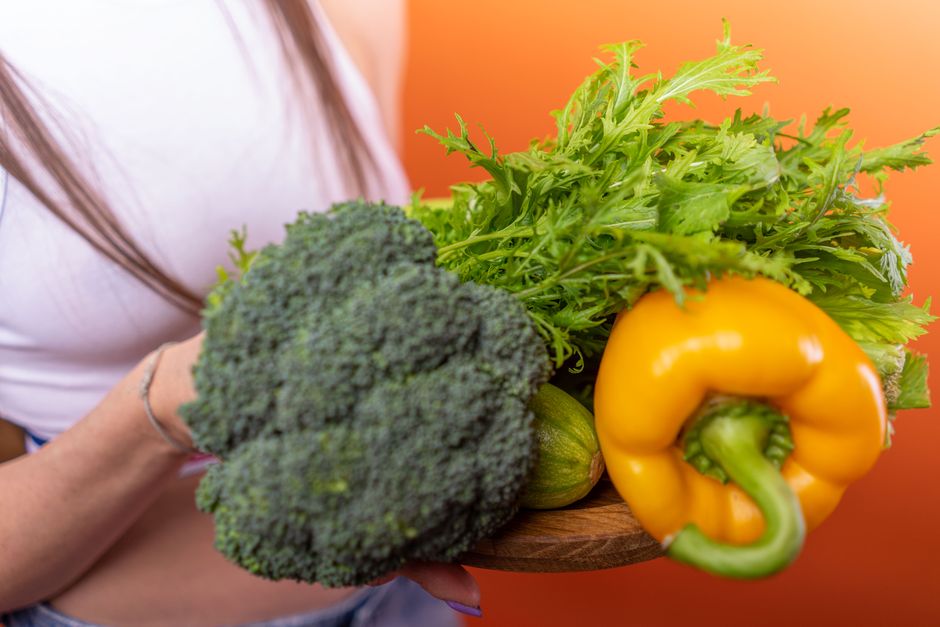
Leafy green vegetables are the richest sources of vitamin K. These foods directly support your body’s clotting ability when your vitamin K levels are low.
- Kale — among the highest natural sources
- Spinach — high in both raw and cooked forms
- Collard greens — a concentrated source
- Swiss chard — provides a substantial amount per serving
- Turnip greens — comparable to other dark leafy greens
- Broccoli — a moderate source
- Brussels sprouts — contain a meaningful amount
- Asparagus — a solid vegetable source
Other foods contain smaller amounts. These include green peas, green beans, cucumber with skin, and certain vegetable oils. Soybean oil and canola oil contain vitamin K. So do some fermented foods like natto, a Japanese soybean dish that is extremely high in vitamin K.
Who Actually Needs More Vitamin K?
Most healthy people get enough vitamin K from their diet. Your body also recycles vitamin K, so you can use it more than once. True deficiency is rare in adults.
Several groups face higher risk. People with conditions that impair fat absorption — such as celiac disease, Crohn’s disease, or cystic fibrosis — may not absorb vitamin K properly. People who have had weight loss surgery can also struggle to absorb it.
Newborns are a special case. Babies are born with low vitamin K levels because very little crosses the placenta. This is why hospitals routinely give newborns a vitamin K injection shortly after birth. This practice prevents a serious bleeding condition called vitamin K deficiency bleeding, or VKDB.
People taking broad-spectrum antibiotics for a long time may also see lower vitamin K levels. Antibiotics can kill gut bacteria that produce some vitamin K, though this source is minor compared to dietary intake.

The Critical Interaction With Blood Thinners
This is where food choices become medically important. Warfarin, sold under brand names like Coumadin, works by blocking vitamin K. It stops your liver from using vitamin K to make clotting factors. That is exactly how it thins your blood.
If you take warfarin, eating large amounts of vitamin K-rich foods can counteract the medication. Your blood may become thicker, and your clotting time may rise into a dangerous range. This increases the risk of blood clots, stroke, or pulmonary embolism.
The clinical guidance is not to avoid vitamin K foods entirely. It is to keep your intake consistent. If you eat a lot of spinach every day, your doctor can adjust your warfarin dose around that pattern. The problem is sudden change — eating a large green salad after months of eating few greens can throw your clotting levels off.
Newer blood thinners like apixaban (Eliquis), rivaroxaban (Xarelto), and dabigatran (Pradaxa) do not work by blocking vitamin K. They target different clotting proteins. Dietary vitamin K does not significantly interfere with these medications. However, you should always discuss diet changes with your doctor regardless of which blood thinner you take.
Does Eating These Foods Actually Thicken Blood?
For a healthy person, eating vitamin K-rich foods does not make your blood dangerously thick. Your body regulates clotting carefully. Extra vitamin K beyond what you need does not cause excessive clotting in most people.
The situation is different if you have a condition that causes blood to clot too much already. Some inherited conditions, like Factor V Leiden, increase clotting risk. But diet alone does not typically push a healthy person into dangerous clotting territory.
When vitamin K genuinely matters for blood thickness is in deficiency states. If you are deficient, eating these foods helps restore normal clotting. This is a correction back to normal function, not an enhancement beyond it.
Other Nutrients That Support Clotting
Vitamin K is the main dietary factor, but not the only one. Calcium is required for the clotting cascade to work. Several clotting factors depend on calcium to function.
Vitamin E in very high doses can interfere with clotting. This typically comes from supplements, not food. Doses above 400 international units daily may increase bleeding risk, especially when combined with blood thinners.
Omega-3 fatty acids from fish oil can slightly reduce platelet aggregation. This effect is modest at typical supplement doses. It does not “thin” blood the way warfarin does, but it can add to bleeding risk if you already take blood thinners.
Ginkgo biloba and garlic supplements have been associated with increased bleeding risk in some reports. The evidence is not strong enough to say these definitely cause bleeding, but caution is reasonable if you are on anticoagulant therapy.
How to Manage Vitamin K Intake Safely
If you take warfarin, talk to your doctor or a registered dietitian before making major diet changes. They will likely advise keeping your vitamin K intake steady from week to week.
Here are practical tips for consistent intake:
- Do not suddenly start or stop eating large amounts of leafy greens
- Tell your doctor before starting any new diet, especially a plant-based one
- Get regular blood tests called INR to check your clotting time
- Report any unusual bleeding or bruising to your doctor
- Keep a rough mental note of how many green vegetables you eat per week
If you do not take blood thinners, you generally do not need to track vitamin K intake. Eating a variety of vegetables is good for you. The concern about vitamin K foods applies almost entirely to people on warfarin therapy.
What About Vitamin K Supplements?
Vitamin K supplements exist in two forms. Vitamin K1, also called phylloquinone, comes from plants. Vitamin K2, or menaquinone, comes from animal products and fermented foods.
Most research on blood clotting focuses on vitamin K1. Supplements are rarely needed for healthy adults who eat a normal diet. Taking vitamin K supplements without a known deficiency can interfere with warfarin therapy and should never be done without medical supervision.
If you have a diagnosed deficiency, your doctor may recommend a specific supplement dose. Do not guess at a dose on your own. The amount needed to correct a deficiency depends on the cause and severity, which requires medical assessment.
Signs Your Blood May Be Too Thin
Recognizing symptoms of thin blood can help you seek care early. Bleeding gums, frequent nosebleeds, and heavy menstrual periods can all indicate impaired clotting.
Easy bruising that appears without injury is another sign. Small red or purple spots on the skin, called petechiae, may appear when clotting is impaired. Blood in urine or stool is more serious and warrants prompt medical attention.
These symptoms do not automatically mean you have a vitamin K problem. Many conditions cause bleeding issues. But if you take warfarin and notice these signs, contact your doctor promptly.
Frequently Asked Questions
What foods have the most vitamin K?
Leafy green vegetables like kale, spinach, collard greens, and Swiss chard contain the highest amounts. Natto, a fermented soybean food, is also extremely high in vitamin K.
Can eating too much vitamin K cause blood clots?
In healthy people, no. Your body regulates clotting carefully and does not create dangerous clots from dietary vitamin K alone.
Should I avoid vitamin K foods if I take blood thinners?
No, you should keep your intake consistent rather than avoid these foods. Sudden changes in vitamin K intake can interfere with warfarin therapy, so discuss your diet with your doctor.
Does vitamin K really thicken blood?
Vitamin K restores your blood’s normal clotting ability. It does not make blood excessively thick in healthy people.
