
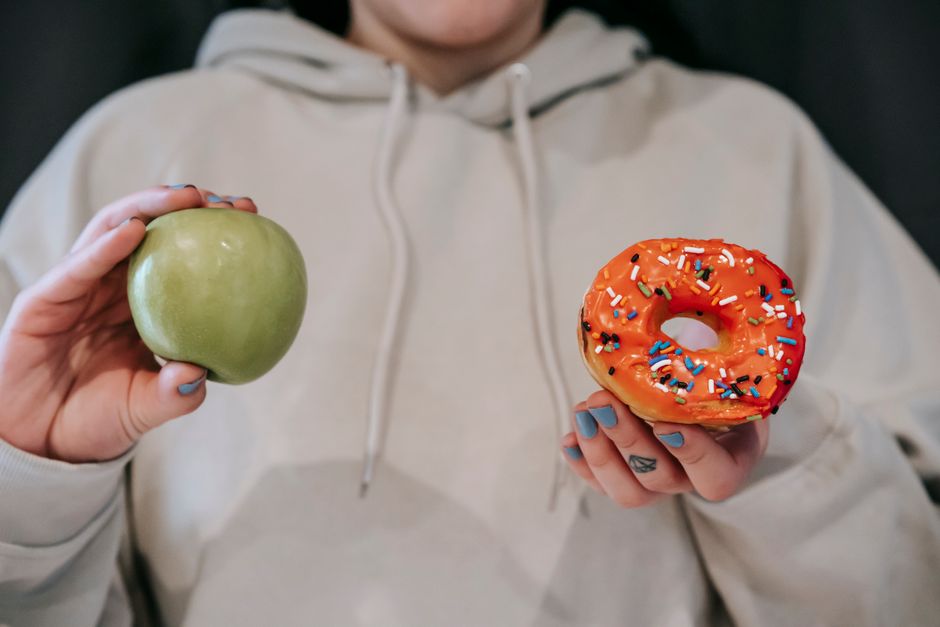
If you have colon polyps, the foods to avoid are the ones that promote inflammation and rapid cell growth: heavily processed meats, red meat cooked at high temperatures, refined sugars, and excessive alcohol. Research consistently links these foods to a higher risk of polyp formation and recurrence. The goal is not to eliminate everything you enjoy, but to shift your diet toward whole foods that support a healthier colon lining.
What Foods Should You Avoid If You Have Polyps?
Processed meats are at the top of the list. Bacon, sausage, hot dogs, deli turkey, and salami contain preservatives like nitrates and nitrites. When these compounds are cooked at high heat, they form N-nitroso compounds, which are known carcinogens. The evidence here is strong. Large population studies have repeatedly found that people who eat the most processed meat have a higher risk of colorectal cancer and adenomatous polyps — the type that can turn cancerous.
Red meat itself is a separate issue. Beef, pork, and lamb are not inherently toxic, but the way they are cooked matters. Grilling, pan-frying, and broiling at high temperatures create heterocyclic amines (HCAs) and polycyclic aromatic hydrocarbons (PAHs). These chemicals damage the DNA in colon cells. The damage can trigger the growth of polyps. Cooking methods that use lower heat — stewing, poaching, or slow braising — produce far fewer of these compounds.
Refined carbohydrates and sugar deserve attention too. White bread, pastries, sugary drinks, and candy cause rapid spikes in blood sugar and insulin. High insulin levels stimulate a hormone called insulin-like growth factor (IGF-1), which promotes cell division. Faster cell division in the colon means more opportunities for mutations and polyp growth. Some studies suggest that people with diets high in glycemic load have a greater chance of developing colorectal adenomas.
Why Does Alcohol Increase Polyp Risk?
Alcohol is directly linked to polyp formation, and the mechanism is well understood. Your body converts ethanol into acetaldehyde, a toxic compound that damages DNA in the cells lining the colon. The colon’s lining tries to repair this damage, but repeated exposure overwhelms the repair process. Over time, this damage accumulates and can lead to polyp growth.
The risk appears to be dose-dependent. Heavier drinking — more than two drinks per day for men and one per day for women — carries a higher risk. Some research also suggests that the combination of alcohol and low folate intake is especially harmful. Folate, a B vitamin found in leafy greens and beans, helps repair DNA. Alcohol depletes folate, leaving the colon with fewer tools to fix the damage alcohol itself causes.
If you drink, the safest approach is to limit intake. The evidence does not support a “safe” level of alcohol for polyp prevention, but the risk clearly rises with higher consumption.
Are Dairy Products Safe for People With Polyps?
Dairy is a complicated topic. The evidence is mixed, and the answer depends on the type of dairy and the person. High-fat dairy products like whole milk, cream, and full-fat cheese are associated with a slightly higher risk of advanced polyps in some studies. The proposed mechanism involves the saturated fat content, which increases bile acid secretion. Bile acids in the colon can act as tumor promoters.
However, calcium itself appears protective. Calcium binds to bile acids and free fatty acids in the colon, reducing their irritating effects. Some clinical trials have found that calcium supplementation reduces the recurrence of adenomatous polyps. This is one of the few dietary interventions with randomized trial evidence behind it.
The practical takeaway is not to eliminate dairy entirely unless you have a sensitivity. Instead, consider low-fat options like skim milk, low-fat yogurt, and reduced-fat cheese. These provide the calcium benefit without the saturated fat risk.

How Do Fried Foods and Fast Food Affect Polyps?
Fried foods are problematic for two separate reasons. First, the frying process — especially deep frying — creates advanced glycation end products (AGEs) and acrylamide. Both are pro-inflammatory compounds. Second, fried foods from restaurants are often cooked in reused oils that have been heated to high temperatures repeatedly. This creates oxidized fats that promote systemic inflammation.
Fast food meals also tend to be low in fiber and high in refined carbohydrates. Fiber is critical for colon health. It adds bulk to stool, dilutes carcinogens, and shortens the time waste spends in contact with the colon lining. A low-fiber diet means longer transit times and more concentrated toxins in the colon. The combination of low fiber, high fat, and high sugar in fast food creates a perfect environment for polyp growth.
This does not mean an occasional burger will cause polyps. The risk comes from a pattern of eating. If most of your meals are whole foods with adequate fiber, an occasional fast food meal is unlikely to be the deciding factor.
What About Sugar Substitutes and Artificial Sweeteners?
The evidence on artificial sweeteners and polyps is limited. No large human trials have confirmed a direct link between aspartame, sucralose, or saccharin and colon polyp formation. Some animal studies have raised concerns, but these findings have not been consistently replicated in humans.
What is clearer is that sugar itself is a problem. Excess sugar promotes insulin resistance and obesity, both of which are risk factors for colorectal polyps. If you are choosing between a sugary drink and a diet drink, the diet drink is likely the better choice for polyp risk specifically. But the best option is water or unsweetened tea.
Be cautious about products that claim to be “natural” sweeteners. Honey, agave, and maple syrup are still sugar. Your body processes them nearly identically to table sugar. They may have trace minerals, but the metabolic effect is the same.
Should You Avoid Soy and Legumes?
No. This is a common misconception. Soy and legumes are generally beneficial for colon health. They are rich in fiber and contain compounds called isoflavones, which have anti-inflammatory properties. Some older animal studies raised concerns about soy and tumor growth, but human research has not confirmed this. In fact, most observational studies in humans suggest that higher legume consumption is associated with lower colorectal cancer risk.
The confusion may come from the fact that soy contains phytoestrogens, which can mimic estrogen in the body. But the estrogen receptors in the colon behave differently than those in breast or uterine tissue. There is no strong evidence that dietary soy increases polyp risk in humans.
One caveat: heavily processed soy products like soy protein isolates and soy-based meat substitutes are not the same as whole soy. These products often contain additives, preservatives, and high sodium levels. Whole soy foods — edamame, tofu, tempeh — are the better choice.
What Should You Eat Instead?
The protective pattern is consistent across studies. A diet rich in vegetables, fruits, whole grains, and legumes is associated with lower polyp risk. The fiber in these foods feeds beneficial gut bacteria, which produce short-chain fatty acids like butyrate. Butyrate is the primary fuel for colon cells and has anti-cancer properties.
Garlic and onions contain organosulfur compounds that may have protective effects. Some research suggests these compounds slow the growth of abnormal cells in the colon. The evidence is not as strong as the fiber data, but it is directionally consistent.
Foods high in folate — spinach, broccoli, lentils, and beans — support DNA repair. Vitamin D from fatty fish and fortified foods also appears protective, though the mechanism is not fully understood. Some studies have found that people with higher vitamin D levels have fewer advanced polyps.
How Long After Removing Polyps Should You Change Your Diet?
Start immediately. There is no reason to wait. The cells in your colon lining turn over every few days, which means dietary changes can have relatively quick effects on the gut environment. However, the effect on polyp recurrence takes years to measure. Most studies that show dietary benefits follow people for at least three to five years.
If you have had polyps removed, you will likely need a follow-up colonoscopy in one to three years, depending on the size and number of polyps found. Your doctor will determine the exact interval. Diet is one part of prevention, but it does not replace surveillance. Colonoscopy remains the most reliable way to detect and remove polyps before they become cancerous.
Frequently Asked Questions
Can eating red meat cause colon polyps to come back?
Yes, regular consumption of red meat — especially cooked at high temperatures — is associated with a higher risk of polyp recurrence. The risk is strongest for processed meats like bacon and sausage.
Is it safe to drink coffee if I have colon polyps?
Coffee is generally safe and some research suggests it may reduce colorectal cancer risk. However, adding large amounts of sugar or cream reduces any potential benefit.
Do I need to give up all sugar if I have polyps?
No, you do not need to eliminate all sugar. The concern is with consistently high sugar intake that drives insulin spikes. Reducing sugary drinks and processed sweets is a reasonable step, but an occasional dessert is not a major risk.
Can a plant-based diet prevent polyps from forming?
A plant-based diet cannot guarantee prevention, but it is associated with a lower risk of polyp formation. The fiber and anti-inflammatory compounds in plants appear protective, though genetics and other factors also play a role.
