
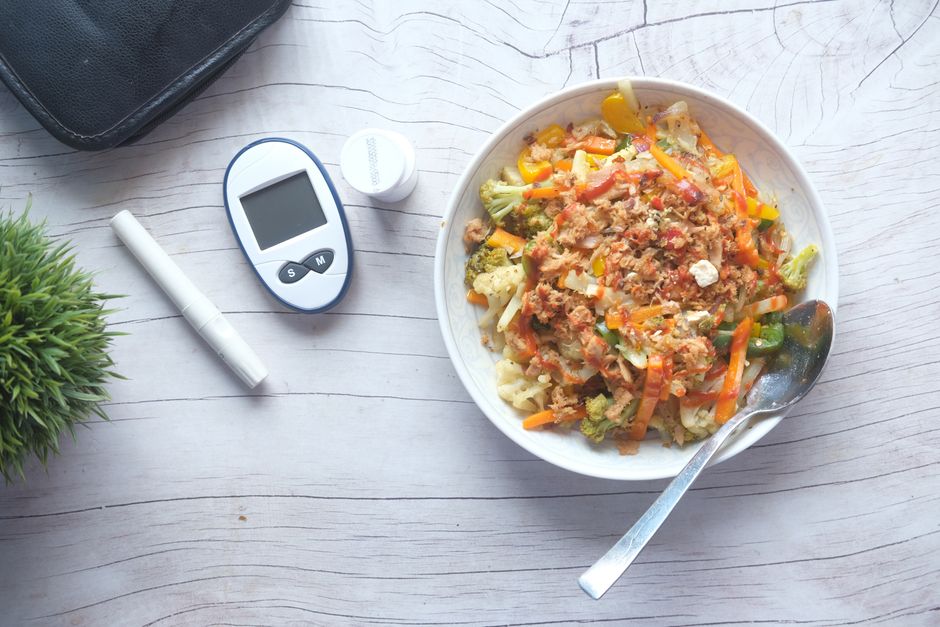
Managing blood sugar starts with what is on your plate. For a person with diabetes, the goal is not to eliminate all carbohydrates, but to choose foods that release glucose slowly and pair them in ways that blunt spikes. The most effective foods for blood sugar control are non-starchy vegetables, lean proteins, healthy fats, and high-fiber carbohydrates like beans and whole grains. These foods slow digestion, reduce the speed at which sugar enters the bloodstream, and keep you full longer.
How Does Food Actually Affect Blood Sugar?
When you eat, your body breaks down carbohydrates into glucose. That glucose enters your bloodstream, and your pancreas releases insulin to help move it into your cells for energy. In type 2 diabetes, your cells respond poorly to insulin, or your pancreas cannot produce enough of it. The result is that glucose lingers in the blood longer than it should.
Protein and fat do not raise blood sugar the way carbohydrates do. They slow the emptying of your stomach, which delays the absorption of glucose. This is why a meal of chicken and rice produces a smaller blood sugar spike than rice alone. The fiber in vegetables and whole grains works the same way. It is not digested, so it adds bulk that slows the entire digestive process.
What Foods Should A Diabetic Eat For Blood Sugar Control?
The foods that work best are those with a low glycemic index, high fiber content, and minimal added sugar. Glycemic index measures how quickly a food raises blood sugar compared to pure glucose. Low glycemic foods score 55 or below. These include most vegetables, whole fruits, beans, lentils, and whole grains like barley and steel-cut oats.
Non-starchy vegetables should form the base of most meals. Broccoli, spinach, kale, peppers, cauliflower, and zucchini are all low in carbohydrates and high in vitamins. You can eat large portions of these without significantly affecting blood sugar. They also provide volume, which helps with portion control.
Protein sources like chicken, turkey, fish, eggs, and tofu do not contain carbohydrates. They do not raise blood sugar directly. Including a protein source at every meal helps stabilize glucose by slowing digestion. Fatty fish like salmon and sardines also provide omega-3 fatty acids, which support heart health. Heart disease is a major complication of diabetes, so this matters.
Beans and lentils are a special category. They contain both protein and complex carbohydrates. A half-cup of black beans has about 20 grams of carbohydrate, but it also has 8 grams of protein and 8 grams of fiber. The fiber and protein together produce a very gentle blood sugar response. Many people find that swapping half of their rice for beans significantly reduces post-meal glucose.
Which Fruits Are Safe To Eat?
Fruit is a common source of confusion. Whole fruit is generally fine for people with diabetes because the fiber in the fruit slows sugar absorption. Berries, apples, pears, and citrus fruits are the best choices. They have a lower glycemic load than tropical fruits like pineapple and mango.
Portion size matters. A serving of fruit is about one small piece or one cup of berries. That serving contains roughly 15 grams of carbohydrate. Eating fruit with a source of protein, like a handful of nuts or a few slices of cheese, further reduces the blood sugar spike.
Fruit juice is different. Juicing removes the fiber and concentrates the sugar. A glass of orange juice can raise blood sugar as fast as a regular soda. People with diabetes should generally avoid fruit juice or limit it to very small amounts used to treat low blood sugar.





Whole Grains Versus Refined Grains
Whole grains contain the entire grain kernel, including the bran, germ, and endosperm. Refined grains have the bran and germ removed, leaving mostly starch. The bran is where most of the fiber lives. This is why whole grains have a much gentler effect on blood sugar.
Steel-cut oats, barley, quinoa, brown rice, and whole wheat bread are good choices. White rice, white bread, and most pastas are refined. They are digested quickly and cause sharp blood sugar spikes.
One practical tip is to read the ingredient label. A product can be labeled “wheat bread” and still be mostly refined flour. The first ingredient should say “whole” before the grain, like “whole wheat flour” or “whole grain oats.”
What About Dairy And Eggs?
Plain dairy products like milk and yogurt contain lactose, which is a sugar. However, they also contain protein and fat, which slow absorption. Greek yogurt is a particularly good choice because it has more protein and less sugar than regular yogurt. Choose plain, unsweetened varieties and add your own berries.
Cheese has very little carbohydrate. Hard cheeses like cheddar and Swiss have less than one gram of carbohydrate per ounce. They are a good snack option, but they are calorie-dense, so portion control still applies.
Eggs are an excellent food for blood sugar control. They have zero carbohydrates and high-quality protein. Studies consistently show that eating eggs for breakfast improves blood sugar control throughout the day compared to carbohydrate-heavy breakfasts like cereal or toast.
Which Foods Should Be Limited Or Avoided?
Sugary drinks are the worst choice for blood sugar. Regular soda, sweet tea, and sports drinks deliver a large amount of sugar with no fiber or protein to slow absorption. The blood sugar spike from a single can of soda is dramatic.
Refined carbohydrates like white bread, white rice, and pastries are also problematic. They are digested quickly and cause rapid glucose spikes. This does not mean they are forbidden forever, but they should be limited and always paired with protein, fat, or fiber.
Processed snacks like chips, crackers, and cookies usually contain refined flour, added sugar, and unhealthy fats. They offer little nutritional value and are easy to overeat. If you want a crunchy snack, try raw vegetables with hummus or a small handful of nuts.
How Should You Structure Your Plate?
A simple visual method can help with portion control without counting every gram. Imagine your plate divided into three sections. Fill half the plate with non-starchy vegetables. Fill one quarter with lean protein. Fill the remaining quarter with a high-fiber carbohydrate like beans, whole grains, or a small serving of fruit.
This method works because it automatically limits carbohydrate portions while ensuring adequate protein and vegetables. It is easy to remember and does not require a scale or a calorie app.
Meal timing also matters. Eating smaller meals more frequently can help some people avoid large blood sugar swings. However, the total amount of carbohydrate matters more than the timing. A person who eats the same total calories in three meals versus six meals will generally see similar blood sugar control.
Does Vinegar Or Cinnamon Lower Blood Sugar?
Some research suggests that vinegar, particularly apple cider vinegar, can modestly reduce the blood sugar response to a meal. The proposed mechanism is that acetic acid slows stomach emptying and reduces the breakdown of complex carbohydrates. Some studies show a small effect, but it is not a substitute for dietary changes or medication.
Cinnamon is frequently promoted for blood sugar control. Some studies have found small improvements in fasting blood sugar, but the evidence is inconsistent. The effect, if it exists, is minor. You can include cinnamon in your diet for flavor, but do not expect it to meaningfully control your blood sugar.
Neither vinegar nor cinnamon should replace prescribed diabetes medications. If you are interested in trying them, discuss it with your doctor first.
Frequently Asked Questions
Can a diabetic eat potatoes?
Yes, but portion size matters. A small potato has about 15 grams of carbohydrate, but it is digested quickly and can spike blood sugar.
Eating the skin and pairing it with protein or fat can slow the response.
Is brown rice better than white rice for diabetes?
Yes, brown rice is better because it contains more fiber, which slows digestion and reduces blood sugar spikes.
However, both types of rice are high in carbohydrates, so portion control is still necessary.
Are artificial sweeteners safe for diabetics?
Most artificial sweeteners do not raise blood sugar and are generally recognized as safe in moderate amounts.
The evidence on long-term metabolic effects is mixed, so water or unsweetened beverages remain the best choice.
How many carbohydrates should a diabetic eat per meal?
Most guidelines suggest 45 to 60 grams of carbohydrates per meal, but individual needs vary.
Your doctor or a registered dietitian can help determine the right amount based on your weight, activity level, and medications.
