
Protein in your urine is not something a food can erase. That is the honest starting point, and it matters. When protein shows up in urine — a condition doctors call proteinuria — it usually means the filters inside your kidneys are letting protein leak through when they should be holding it back. Diet cannot repair a damaged filter. What diet can do is reduce the workload on your kidneys and lower the conditions that make protein leak worse.
The strongest evidence points to three dietary patterns: eating less sodium, controlling blood sugar if you have diabetes, and getting protein from balanced sources rather than very high amounts. These steps do not “flush out” protein. They support kidney function so protein loss may lessen over time. Anyone with protein in their urine needs a doctor’s evaluation first, because the cause determines everything that follows.
What Does Protein in Urine Actually Mean?
Healthy kidneys filter your blood many times a day. The tiny filtering units, called glomeruli, normally keep large molecules like protein in your bloodstream while letting waste pass into urine. When those filters are damaged or stressed, protein slips through.
A small amount of protein in urine can be temporary and harmless. Intense exercise, fever, dehydration, and urinary tract infections can all cause a short-term rise. Doctors often repeat the test to see whether the finding is transient or persistent. Persistent proteinuria is the one that gets attention, because it can signal kidney disease or a higher risk of it.
Proteinuria is also a marker, not just a symptom. It can reflect diabetes, high blood pressure, or an immune condition affecting the kidneys. That is why the first step is never a grocery list. It is finding out why the protein is there.
What Foods Reduce Protein In Urine Naturally?
No specific food has been shown to reduce protein in urine on its own. The evidence supports dietary patterns, not single ingredients. The patterns most studied for kidney protection are lower sodium intake, controlled blood sugar, and balanced protein consumption.
Here is what the research most consistently supports:
- Lower-sodium foods: fresh vegetables, fruit, unprocessed meats, and home-cooked meals instead of canned, cured, or packaged foods
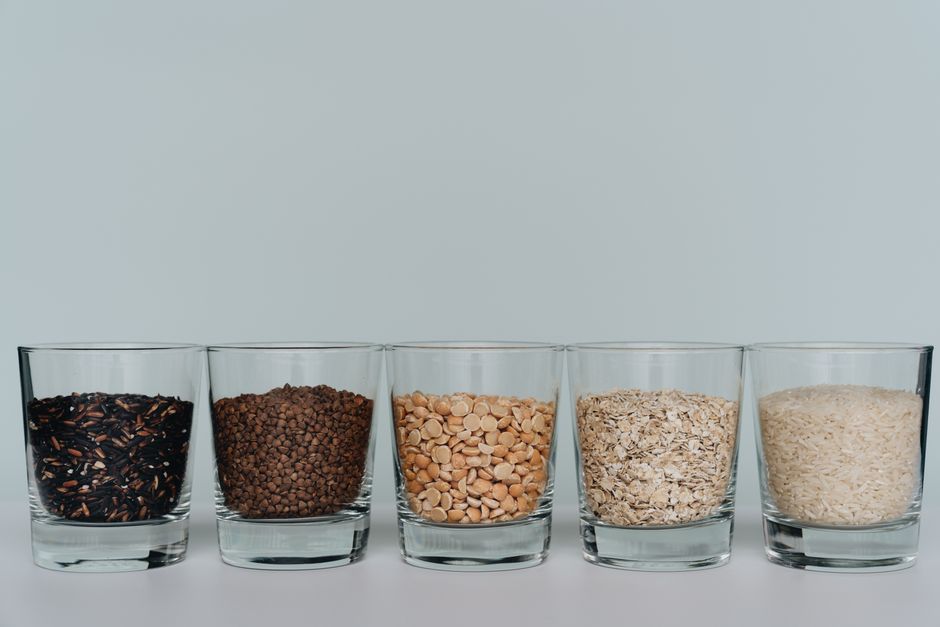
- Blood-sugar-friendly foods: non-starchy vegetables, whole grains, legumes, and foods with fiber that slow glucose rise
- Moderate, balanced protein: portions spread across the day rather than large amounts at once
- Potassium-rich produce (for people whose doctors have not restricted potassium): leafy greens, tomatoes, bananas, and beans
Notice what is missing. There is no berry, tea, or supplement on this list that has been shown in human trials to lower urine protein. Claims that a specific food “cleans” protein from urine are not supported by clinical evidence.
How Does Sodium Affect Protein in Urine?
Sodium is the dietary factor with the clearest link to kidney stress. High sodium intake raises blood pressure, and high blood pressure damages the small blood vessels in the kidneys over time. Damaged filters leak more protein.
Reducing sodium does not directly remove protein from urine. What it does is lower blood pressure, and lower blood pressure reduces the pressure-driven damage that causes protein to leak. This is why sodium reduction is one of the most consistent recommendations in kidney care.
Most sodium in the American diet comes from processed and restaurant food, not the salt shaker. Canned soups, deli meats, frozen dinners, and snack foods are the main sources. Cooking more meals at home and reading sodium labels are the practical levers. Federal dietary guidance generally recommends keeping sodium below 2,300 milligrams per day for most adults, and many kidney care plans aim lower. A doctor or dietitian should set the target for anyone with kidney concerns.





Does Blood Sugar Control Matter More Than Any Food?
If you have diabetes, blood sugar control is the single most important factor for protecting your kidneys. Diabetes is the leading cause of kidney disease in the United States, and persistent high blood sugar damages the kidney filters directly.
This is where food choices matter most. Eating in a way that keeps blood sugar steady — more fiber, fewer refined carbohydrates, consistent meal timing — supports kidney health by keeping glucose in a healthier range. The benefit comes from the overall pattern, not from any one food.
For people without diabetes, blood sugar is less of a driver, but the same principle applies. Conditions that strain the kidneys, including high blood pressure and obesity, tend to worsen protein leakage. Diet addresses those conditions, not the protein itself.
Should You Eat Less Protein?
Moderate protein intake is generally recommended for people with kidney concerns, but “less” is not the same as “very little.” The kidneys process protein, and a very high-protein diet increases their workload. At the same time, eating too little protein causes muscle loss and other problems.
Some clinicians recommend moderating protein for people with chronic kidney disease, and the specific target depends on kidney function, body size, and overall health. No universal number applies to everyone. This is a decision that should come from a doctor or a kidney dietitian, not a general article.
One clarification worth knowing: the idea that cutting protein to near zero will stop proteinuria is a misunderstanding. The protein in your urine is leaking from your blood through damaged filters. Eating less protein does not seal those filters. It only reduces one source of workload.
What About Supplements and Herbal Remedies?
Most supplements marketed for kidney health have not been tested in large human trials, and some can be harmful. Certain herbal products have been linked to kidney injury, and high-dose vitamins or minerals can cause problems for people with reduced kidney function.
Potassium is a specific concern. Many kidney-friendly diets emphasize potassium-rich foods, but when kidney function is reduced, potassium can build up in the blood to dangerous levels. Whether to increase or limit potassium depends entirely on your kidney function and medications. A doctor should guide this.
If you are considering any supplement for kidney health, tell your doctor. The evidence for most of these products is limited or absent, and the risk of harm is real.
What Else Helps Beyond Food?
Diet is one part of kidney protection. Blood pressure control, blood sugar control, and avoiding medications that stress the kidneys matter just as much. Some common pain relievers, taken regularly, can reduce kidney function. So can dehydration and untreated infections.
If you smoke, stopping helps. Smoking damages blood vessels throughout the body, including the kidneys. Regular monitoring — blood tests and urine tests — lets your doctor track whether protein levels are changing over time.
Protein in urine is often manageable, especially when the underlying cause is addressed. But it is a signal that deserves medical attention, not a condition to self-treat with food alone.
Frequently Asked Questions
Can drinking more water reduce protein in urine?
Staying well hydrated supports overall kidney function, but no evidence shows that drinking extra water reduces protein leakage from damaged filters. Dehydration can temporarily concentrate urine and affect test results, so normal hydration is reasonable.
Are there foods that clean protein out of the kidneys?
No. The kidneys do not store protein that needs cleaning out. Protein in urine is leaking through the filters, and no food has been shown to reverse that leakage. Claims about “kidney-cleaning” foods are not supported by clinical evidence.
Can a low-sodium diet lower protein in urine?
Lowering sodium can help by reducing blood pressure, which lessens pressure-related damage to the kidney filters. It does not remove protein directly. The benefit comes from better blood pressure control over time.
Should I cut protein completely if I have proteinuria?
No. Severely restricting protein can cause muscle loss and other health problems. Moderate protein intake may be recommended for some people with kidney disease, but the right amount should be set by a doctor or kidney dietitian.
