
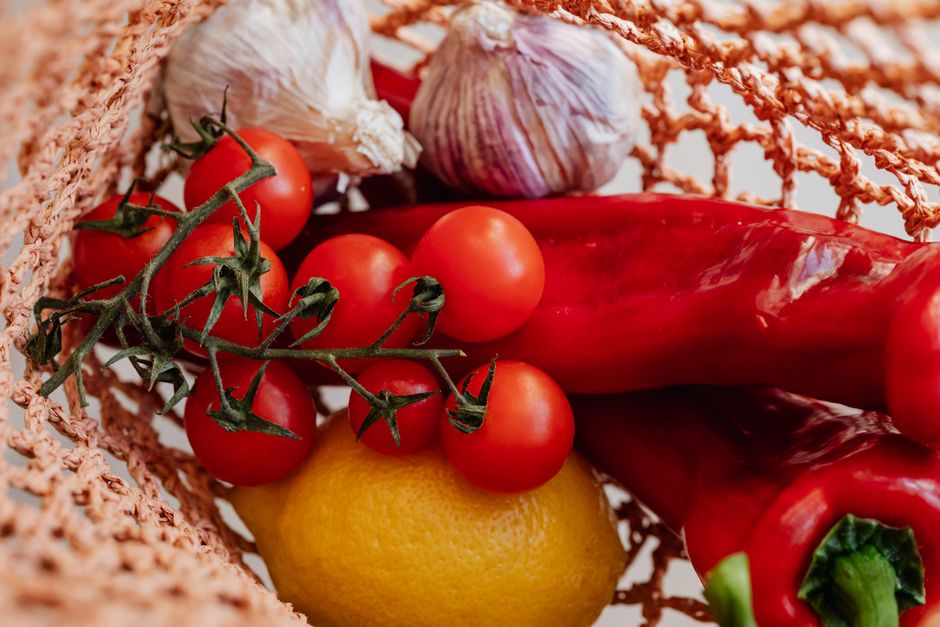
Inflammation is not always the enemy. It is the immune system’s repair response — the redness and swelling after a cut, the fever that fights an infection. The problem is when that response never fully switches off. Low-grade chronic inflammation smolders quietly for years and is linked to heart disease, type 2 diabetes, and some cancers. What you eat influences that process. Foods rich in omega-3 fats, colorful plant compounds, and fiber tend to calm it, while heavily processed foods, refined sugars, and excess alcohol tend to feed it.
The strongest evidence points to patterns rather than single ingredients. A diet built around vegetables, fruit, whole grains, legumes, nuts, fatty fish, and olive oil is consistently associated with lower markers of inflammation in the blood. No single food reverses inflammation on its own. But the overall pattern of what you eat, day after day, measurably shifts the chemical signals your body produces.
How Does Food Actually Affect Inflammation In Your Body?
Every meal triggers a small immune response. That is normal. The question is whether the response settles down afterward or lingers.
When you eat, digested food travels through the gut lining into the bloodstream. Some foods produce a gentle, short-lived rise in inflammatory signals. Others produce very little. Over years, the cumulative effect of those small responses shapes your baseline level of inflammation.
Fat tissue is part of this picture. Fat cells, especially visceral fat around the organs, release inflammatory proteins called cytokines. Carrying excess visceral fat keeps those signals elevated. Diet matters here in two directions: it influences how much fat you store, and it directly affects the chemical environment in which that fat sits.
The gut lining plays a role too. A diet low in fiber and high in processed food can weaken the barrier between the gut and the bloodstream. When bacterial fragments leak through, the immune system responds. Fiber feeds beneficial gut bacteria, which produce short-chain fatty acids that help maintain that barrier.
One clarification worth making: you cannot feel chronic inflammation. It does not cause obvious symptoms the way acute inflammation does. It shows up in blood tests — C-reactive protein, interleukin-6, and similar markers — not in how you feel day to day. That is part of why diet’s effect is easy to underestimate.
What Foods Reduce Inflammation In Your Body?
No single food works like a switch. But several food groups have consistent evidence behind them, largely from observational studies linking dietary patterns to lower inflammatory markers, supported by smaller controlled trials.
Fatty fish
Salmon, sardines, mackerel, herring, and anchovies are rich in omega-3 fatty acids — EPA and DHA. These fats compete with omega-6 fats in the body’s enzyme pathways, shifting production away from inflammatory signaling molecules. This mechanism is well established in physiology. Whether eating more fish meaningfully lowers inflammation in a given person depends on what it replaces and how much they eat.
Colorful vegetables and fruit
Berries, leafy greens, tomatoes, peppers, and citrus contain polyphenols — plant compounds with antioxidant and anti-inflammatory activity in laboratory and animal studies. Human trial results are more modest and less consistent. The honest position: these foods are clearly good for you, and their anti-inflammatory effects in humans are plausible and supported by some evidence, but not as dramatic as supplement marketing suggests.
Whole grains and legumes
Oats, barley, brown rice, beans, and lentils provide fiber that feeds gut bacteria. Some studies suggest higher fiber intake is associated with lower C-reactive protein. The effect appears gradual and modest, not a rapid shift.
Nuts and olive oil
Walnuts contain omega-3 fats. Almonds and other nuts provide vitamin E and polyphenols. Extra virgin olive oil contains oleocanthal, a compound with anti-inflammatory activity in laboratory studies. The PREDIMED trial, a large randomized study in Spain, found that a Mediterranean diet supplemented with olive oil or nuts reduced cardiovascular events compared with a control diet. That is a cardiovascular outcome, not a direct measure of inflammation, but it is among the strongest trial evidence for a dietary pattern in this area.
Spices and herbs
Turmeric contains curcumin, ginger contains gingerols, and both show anti-inflammatory activity in test-tube and animal research. Human evidence is much thinner. Curcumin supplements, in particular, are heavily marketed and have limited large-scale human trial support for reducing inflammation in healthy people. Using these spices in cooking is reasonable. Expecting them to treat a condition is not supported.
Which Foods Promote Inflammation?
The other half of the equation matters as much. Diets high in refined carbohydrates, added sugars, and heavily processed foods are consistently associated with higher inflammatory markers in observational research.
Sweetened drinks are a clear example. They deliver large amounts of fructose and glucose quickly, without fiber or nutrients, and regular consumption is linked to higher C-reactive protein in some studies. Fried foods and processed meats — bacon, sausage, deli meats — are also associated with higher inflammation markers, though the reasons are not fully untangled from the broader dietary patterns they tend to accompany.
Excess alcohol is another factor. Heavy drinking increases gut permeability and inflammatory signaling. Moderate drinking is more debated than it once was, and recent research has questioned the health benefits previously attributed to light drinking.
One thing to keep in perspective: no single indulgent meal causes lasting harm. The pattern over months and years is what counts.
Is The Mediterranean Diet The Best Anti-Inflammatory Diet?
It is the most studied dietary pattern for this purpose, and the evidence supporting it is stronger than for any specific “anti-inflammatory” diet sold as a branded program.
The Mediterranean pattern emphasizes vegetables, fruit, legumes, whole grains, nuts, olive oil, and fish, with limited red meat and processed foods. Research consistently associates it with lower inflammatory markers and better cardiovascular outcomes. That does not mean it is the only pattern that works. Traditional Japanese and Nordic diets share many features — fish, vegetables, whole grains, minimal processed food — and likely carry similar benefits.
What does not have strong evidence is the idea of a specific “anti-inflammatory diet” with proprietary rules. The useful principles are the same ones nutrition research has pointed to for decades.
| Food group | Examples | Evidence strength |
|---|---|---|
| Fatty fish | Salmon, sardines, mackerel | Strong for omega-3 mechanism; moderate for measured inflammation reduction |
| Vegetables and fruit | Berries, greens, tomatoes | Moderate; consistent with overall dietary evidence |
| Whole grains and legumes | Oats, beans, lentils | Moderate, largely through fiber and gut effects |
| Nuts and olive oil | Walnuts, almonds, extra virgin olive oil | Moderate; supported by large trial outcomes for cardiovascular health |
| Spices | Turmeric, ginger | Limited human evidence |
| Processed foods and sweetened drinks | Sodas, deli meats, fried snacks | Associational evidence of harm |
Do Supplements Work As Well As Food?
For most people, no. The evidence for whole foods is stronger than for isolated supplements.
Omega-3 supplements do lower triglycerides and have been studied extensively, but their effect on inflammation in healthy people is modest. Curcumin supplements have poor absorption unless formulated with enhancers, and large human trials are lacking. Antioxidant supplements like high-dose vitamin E have not shown benefit in major trials and, in some cases, have shown harm.
Food delivers compounds in combinations that supplements do not replicate. Whether those combinations matter more than the individual compounds is not fully settled, but the track record of whole foods is better. If you are considering a supplement for a specific medical reason, that is a conversation with a clinician, not a decision to make from an article.
How Long Does It Take To See A Difference?
Some changes happen within weeks. Others take months.
Studies of Mediterranean-style diets have shown measurable reductions in inflammatory markers within a few weeks to a few months of dietary change. Weight loss, when relevant, tends to reduce inflammation more slowly and steadily. The honest answer is that the timeline varies by person, by starting diet, and by which marker you measure. No reliable formula predicts it.
What is clear is that consistency matters more than intensity. A diet you can sustain for years will do more than a strict plan abandoned after a month.
Frequently Asked Questions
What is the single best food for reducing inflammation?
There is no single best food. Fatty fish like salmon and sardines have the strongest mechanistic evidence, but the overall dietary pattern matters more than any one food.
Can drinking green tea reduce inflammation?
Green tea contains polyphenols that show anti-inflammatory activity in laboratory studies. Human evidence is modest, and it is not a substitute for an overall healthy diet.
Does sugar cause inflammation?
Diets high in added sugars and sweetened drinks are associated with higher inflammatory markers in observational studies. The relationship is strongest with regular, long-term consumption rather than occasional treats.
Should I take turmeric supplements for inflammation?
Large human trials supporting curcumin supplements for inflammation are lacking. Using turmeric in cooking is reasonable, but supplement claims run well ahead of the evidence.
