
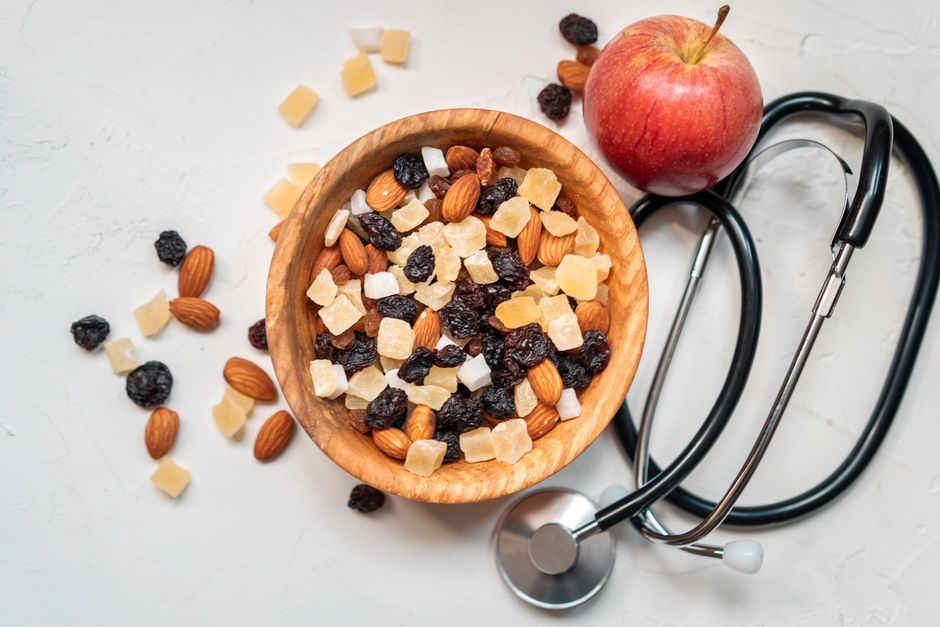
Constipation is one of the most common digestive complaints in the United States, and food is often the main lever you can pull. The foods that best prevent constipation are those high in fiber, especially a mix of soluble and insoluble fiber, plus foods that contain natural laxative compounds like sorbitol and magnesium. Fruits such as prunes, apples, pears, and kiwi, vegetables, whole grains, legumes, and adequate water all support regular bowel movements. Fiber adds bulk and holds water in the stool, which keeps it soft and easier to pass.
What Foods Prevent Constipation And Keep You Regular?
Fiber is the single most important dietary factor for preventing constipation. Most adults in the US get far less than the recommended amount, which is roughly 25 grams per day for women and 38 grams per day for men, according to the Dietary Guidelines for Americans.
There are two types of fiber, and both matter. Soluble fiber dissolves in water and forms a gel that softens stool. Insoluble fiber adds bulk and helps move material through the colon. Getting both from whole foods is more effective than relying on one type alone.
Foods that reliably help include:
- Prunes and prune juice
- Apples and pears with the skin on
- Kiwi fruit
- Berries, especially raspberries and blackberries
- Beans, lentils, and chickpeas
- Oats and barley
- Leafy greens like spinach and kale
- Broccoli and Brussels sprouts
- Sweet potatoes with skin
- Whole grains like brown rice and whole wheat bread
Water matters as much as fiber. Fiber without enough fluid can actually make constipation worse because it pulls water from the body into the colon without enough to spare. Aim for fluids throughout the day, and increase them as you increase fiber.
How Does Fiber Actually Work To Prevent Constipation?
Fiber is the part of plant food your body cannot fully digest. It passes through the stomach and small intestine mostly intact and reaches the colon, where it does two things.
First, soluble fiber absorbs water and forms a gel. This gel keeps stool soft and adds moisture, which makes it easier to pass. Second, insoluble fiber adds physical bulk. Bulk stimulates the walls of the colon to contract, a process called peristalsis, which pushes contents along.
Some fiber is also fermented by bacteria in the colon. This fermentation produces short-chain fatty acids that feed colon cells and can improve how well the colon moves. The effect is gradual. Most people notice changes in bowel habits over days to a couple of weeks of consistent fiber intake, not hours.
One point that often gets missed: too much fiber too fast can cause bloating, gas, and cramping. Increase fiber gradually over a week or two and drink more water as you go.
Which Fruits And Vegetables Are Best For Constipation?
Prunes are the most studied fruit for constipation. They contain both soluble and insoluble fiber plus sorbitol, a sugar alcohol that draws water into the intestines and can stimulate a bowel movement. Some research suggests prunes may be at least as effective as certain over-the-counter fiber supplements for mild constipation, though study sizes are small.
Kiwi is another fruit with growing evidence behind it. Some studies indicate that eating two kiwi fruit per day can increase stool frequency and improve stool consistency in people with mild constipation. The effect appears to come from a combination of fiber, actinidin (an enzyme), and water content.
Apples and pears are strong choices because their skins are rich in insoluble fiber and their flesh contains pectin, a soluble fiber. Eat them whole rather than peeled or juiced to get the full benefit.
Vegetables matter too. Broccoli, Brussels sprouts, and leafy greens provide insoluble fiber and water. Sweet potatoes with the skin left on are a good source of both fiber types. Cooked or raw, the fiber content is similar.
Do Prunes, Kiwi, And Other Natural Laxatives Really Work?
Some foods contain compounds that act beyond fiber. Prunes and prune juice contain sorbitol and a natural compound called dihydrophenylisatin that appears to stimulate bowel contractions. This is why prunes are often recommended as a first food-based step for mild constipation.
Magnesium-rich foods like nuts, seeds, and leafy greens may help as well. Magnesium draws water into the intestines, which softens stool. The evidence for food-based magnesium in preventing constipation is weaker than for fiber, but the mechanism is plausible and the foods are generally healthy.
What does not have strong evidence: coffee as a laxative (the effect is real for some people but inconsistent), spicy food, and most “detox” teas. Many herbal teas marketed for constipation contain senna, a stimulant laxative. These can work short term but are not meant for daily long-term use without medical guidance, because the bowel can become dependent on them.
How Much Fiber Do You Need Each Day?
The Dietary Guidelines for Americans recommend about 25 grams of fiber daily for women and 38 grams for men, based on age and calorie needs. Most adults get only about half that amount.
Here is roughly how much fiber common foods provide:
| Food | Fiber (approx.) |
|---|---|
| 1 cup cooked black beans | 15 g |
| 1 cup cooked lentils | 15 g |
| 1 medium pear with skin | 5 g |
| 1 medium apple with skin | 4 g |
| 1 cup raspberries | 8 g |
| 1 cup cooked oatmeal | 4 g |
| 1 cup cooked broccoli | 5 g |
| 1 medium sweet potato with skin | 4 g |
| 3 prunes | 2 g |
These numbers come from USDA food composition data and vary slightly by variety and preparation. The pattern matters more than exact grams. Aim for a mix of fruits, vegetables, legumes, and whole grains across the day.
What Else Helps Besides Food?
Diet is the foundation, but a few other habits support regular bowel movements.
Water intake is essential. When you add fiber, you need more fluid. Without it, fiber can backfire and make stool harder to pass. There is no single universal water target, but drinking with meals and keeping urine pale yellow is a reasonable guide.
Physical activity helps. Movement stimulates the muscles of the colon. Even a daily walk can make a difference for people who are otherwise sedentary.
Do not ignore the urge to go. Delaying a bowel movement repeatedly can lead to harder stool and more difficulty later. Establishing a routine, often after breakfast when the colon is most active, can help.
If constipation persists despite a high-fiber diet, adequate fluids, and activity, it is worth talking to a clinician. Ongoing constipation can have causes beyond diet, including thyroid problems, certain medications, irritable bowel syndrome, and pelvic floor dysfunction. These need proper evaluation rather than more fiber.
When Should You See A Doctor About Constipation?
Occasional constipation is common and usually responds to diet and lifestyle changes. But some situations warrant medical attention.
See a clinician if you have blood in your stool, unexplained weight loss, severe abdominal pain, or a sudden change in bowel habits that lasts more than a few weeks. These can signal conditions that need evaluation.
Also seek care if constipation is new for you after age 50, if you rely on laxatives regularly, or if diet changes are not helping after several weeks of consistent effort. Chronic constipation is treatable, but the right approach depends on the cause.
For most people, the fix is not a single magic food. It is a pattern: plenty of fiber from a variety of plants, enough water, regular movement, and not ignoring your body’s signals. Build it gradually and give it time.
Frequently Asked Questions
What is the fastest food to relieve constipation?
Prunes and prune juice are among the most reliable, because they combine fiber with sorbitol, which draws water into the intestines. Kiwi and warm liquids can also help some people, but effects vary and no single food works instantly for everyone.
How much fiber do I need daily to prevent constipation?
Most adults need about 25 grams per day for women and 38 grams for men, according to the Dietary Guidelines for Americans. Most people get only about half that, so increasing fiber gradually from whole foods is the practical goal.
Can too much fiber make constipation worse?
Yes, if you increase fiber without enough fluid, stool can become harder to pass. Fiber pulls water into the colon, so you need to drink more as you eat more fiber, and increase intake gradually to avoid bloating.
Do bananas help or cause constipation?
Ripe bananas contain fiber and can help some people, but unripe green bananas contain resistant starch that may worsen constipation in some individuals. The effect varies, so it is worth noticing how your own body responds.
