
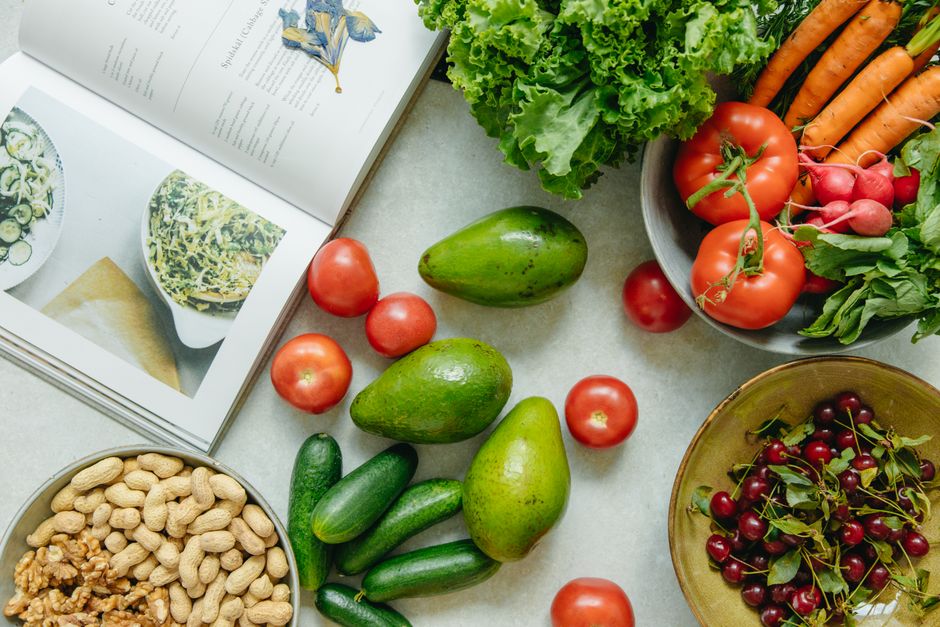
Your blood vessels are not rigid pipes. They are living tissue with a muscular lining that tightens and relaxes thousands of times a day. Certain foods support the chemistry that helps them relax. Others work against it. The most studied include leafy greens, beets, fatty fish, berries, and foods rich in potassium and certain polyphenols. No single food opens blood vessels on its own. What matters is the pattern of what you eat most days.
The phrase “open blood vessels” usually means one of two things. It can mean vasodilation, where the muscular wall of an artery relaxes and the channel widens. It can also mean keeping the inner lining of the artery, the endothelium, healthy enough to regulate itself. Food affects both, but modestly and over time. Anyone promising a fast, dramatic widening from a single meal is overselling what the biology can do.
How Do Foods Open Blood Vessels Naturally?
Blood vessels open and close mainly through a molecule called nitric oxide. The cells lining your arteries, the endothelial cells, make it from an amino acid called L-arginine using an enzyme called nitric oxide synthase. When nitric oxide is released, the smooth muscle in the artery wall relaxes and the vessel widens. This is normal, ongoing physiology, not a trick.
Several food components feed into that system. Nitrates from vegetables are converted by bacteria in your mouth into nitrite, then into nitric oxide in the body. Certain polyphenols, found in berries, cocoa, and tea, appear to support endothelial function and may influence nitric oxide availability. Potassium helps blood vessels relax and supports healthy blood pressure. Omega-3 fats from fish support the flexibility of artery walls and reduce inflammation.
There is a detail most people miss. The nitrate-to-nitrite conversion depends on bacteria in your mouth. Antibacterial mouthwash can blunt this pathway, which is one reason researchers studying beetroot juice sometimes ask participants to avoid mouthwash during a study. It is a small, real effect and a good reminder that the body’s chemistry is more interconnected than it looks.
It is also worth being clear about scale. These effects are real but gradual. They come from eating this way consistently, not from one green smoothie. And they work alongside, not instead of, the things that damage blood vessels most: smoking, uncontrolled high blood pressure, and high LDL cholesterol.
What Foods Open Blood Vessels Naturally?
Leafy greens and beets are the best-studied sources of dietary nitrate. Spinach, arugula, lettuce, and beetroot are all high in nitrate, which the body converts into nitric oxide. Research on beetroot juice has repeatedly shown measurable increases in nitric oxide markers and modest improvements in blood vessel function in the hours after drinking it.
Fatty fish such as salmon, mackerel, sardines, and herring supply omega-3 fatty acids. These do not act like a vasodilator in the short term. Their benefit is longer-term: supporting artery wall function and reducing inflammation that damages the endothelium over years.
Berries and other colorful plant foods contain polyphenols, particularly anthocyanins. Some studies suggest these compounds support endothelial function, though the evidence is less consistent than for nitrate-rich vegetables. Cocoa flavanols are among the better-studied polyphenols in this area. The catch is that most commercial chocolate contains too much sugar and fat to be a sensible source, and cocoa flavanol content varies widely between products.
Potassium-rich foods help blood vessels relax and are tied to healthier blood pressure. Good sources include bananas, potatoes, beans, lentils, tomatoes, and oranges. Most adults in the US fall short of recommended potassium intake, which is a meaningful gap given its role in blood pressure regulation.
Garlic and foods rich in certain sulfur compounds have been studied for effects on blood vessel function and blood pressure. Some trials show small effects. Others do not. Treat garlic as a healthy seasoning, not a treatment.
What Nutrients Matter Most for Blood Vessel Health?
Four nutrients carry most of the evidence weight for vascular function: nitrate, potassium, omega-3 fats, and polyphenols. Each works through a different route.
| Nutrient | Main Role | Common Food Sources |
|---|---|---|
| Dietary nitrate | Converted to nitric oxide, which relaxes artery walls | Beets, spinach, arugula, lettuce |
| Potassium | Helps blood vessels relax; supports healthy blood pressure | Bananas, beans, potatoes, tomatoes, oranges |
| Omega-3 fats | Support artery wall function; reduce inflammation | Salmon, sardines, mackerel, walnuts, flaxseed |
| Polyphenols | May support endothelial function and nitric oxide availability | Berries, cocoa, tea, olive oil |
Magnesium deserves a mention. It is involved in blood vessel relaxation, and many people do not get enough from food. Nuts, seeds, whole grains, and leafy greens are reliable sources. Whether magnesium supplementation meaningfully improves blood vessel function in healthy people is not well established.
One thing to keep in mind about the table: these nutrients work together in whole foods. A supplement that isolates one compound rarely matches the effect of eating the food. That pattern has held up across nutrition research for decades.
Can Diet Really Widen Blood Vessels?
Diet can support the conditions that let blood vessels widen normally. It does not override disease. The evidence is strongest for blood pressure, where dietary patterns have been studied in controlled trials and show real, measurable effects.
The DASH eating pattern, developed through research funded by the US National Institutes of Health, emphasizes vegetables, fruits, whole grains, low-fat dairy, and lean protein while limiting sodium and saturated fat. It is one of the better-supported dietary approaches for lowering blood pressure, and blood pressure is a direct measure of how much resistance your arteries offer to blood flow.
What food cannot do is reverse atherosclerosis, the buildup of plaque inside arteries, on its own. Plaque that has formed does not dissolve because you started eating beets. What a good diet can do is slow progression, support the endothelium, and lower the forces that drive plaque growth. For established disease, diet works alongside medical treatment, not in place of it.
This distinction matters. The endothelium is remarkably responsive to lifestyle, but it is not infinitely forgiving. Years of high blood pressure, smoking, or poorly controlled blood sugar cause lasting structural change. Diet helps most when it starts early and continues consistently.
What Habits Work Against Blood Vessel Health?
Some foods and habits actively impair the endothelium. Knowing them matters as much as knowing what to eat.
- High sodium intake raises blood pressure in many people and puts constant strain on the artery lining.
- Trans fats and excess saturated fat contribute to LDL cholesterol, a primary driver of atherosclerosis.
- Added sugar and refined carbohydrates raise blood sugar and triglycerides, both linked to endothelial dysfunction over time.
- Smoking directly damages the endothelium and reduces nitric oxide availability. This is one of the clearest and best-established harms to vascular health.
- Heavy alcohol raises blood pressure and harms blood vessel function.
Sleep and stress belong on this list too, though the evidence is more mixed. Chronic poor sleep and ongoing stress are associated with higher blood pressure and worse vascular function. The mechanisms are plausible and partly documented, but the strength of the evidence is not on the same level as for smoking or sodium.
Do Supplements Help Open Blood Vessels?
Most supplements marketed for circulation have weak or absent clinical evidence. This is one of the areas where marketing moves far ahead of the science.
L-arginine and L-citrulline are the most common. The logic sounds solid: they are precursors to nitric oxide, so more should mean more nitric oxide. But oral arginine is largely broken down before it reaches the bloodstream in useful amounts, and trials in healthy people have produced inconsistent results. Citrulline is better absorbed and has shown some promise, but the evidence is not strong enough to recommend it broadly. No large trials confirm meaningful benefit for most people.
Beetroot powder and concentrated nitrate supplements show more consistent short-term effects on nitric oxide markers, but the size of the clinical benefit and who actually gains from it are still being worked out. Cocoa flavanol supplements exist, and the evidence for them is among the better of the supplement category, though still modest.
None of these should be used to replace blood pressure medication or treatment for heart disease. Some can interact with medications, particularly blood pressure drugs and blood thinners. Anyone taking prescription medication should talk to their clinician before adding a supplement aimed at circulation.
What Does a Blood-Vessel-Friendly Plate Look Like?
Build meals around plants first. A plate that is mostly vegetables, beans, whole grains, and fruit, with fish a few times a week, covers nearly everything the evidence supports for vascular health.
Practically, that means leafy greens most days, beets or other nitrate-rich vegetables regularly, a serving of berries or other colorful fruit, beans or lentils in place of some meat, and fatty fish a couple of times a week. Use olive oil, garlic, and herbs generously. Keep sodium moderate. Cut back on processed foods, which are the main source of excess sodium and added sugar for most people.
Small, consistent choices beat dramatic ones. The endothelium responds to what you do repeatedly. One perfect week will not fix years of poor eating, and one indulgent weekend will not undo a good pattern. That is how physiology actually works.
Frequently Asked Questions
What is the fastest food to open blood vessels?
Beetroot and nitrate-rich leafy greens have the most consistent short-term evidence, with measurable effects on nitric oxide markers within a few hours of eating. The effect is modest, not dramatic.
Does lemon water open blood vessels?
No clinical evidence confirms that lemon water widens blood vessels. Lemon supplies vitamin C and some polyphenols, which are part of a healthy diet, but it is not a vasodilator.
Can garlic widen blood vessels?
Some trials show small effects of garlic on blood vessel function and blood pressure, but results vary between studies. It is a healthy seasoning, not a treatment.
How long does it take for diet to improve blood vessel function?
Short-term effects on nitric oxide markers can appear within hours of eating nitrate-rich foods. Lasting changes in blood pressure and artery health typically take weeks to months of consistent eating.
