
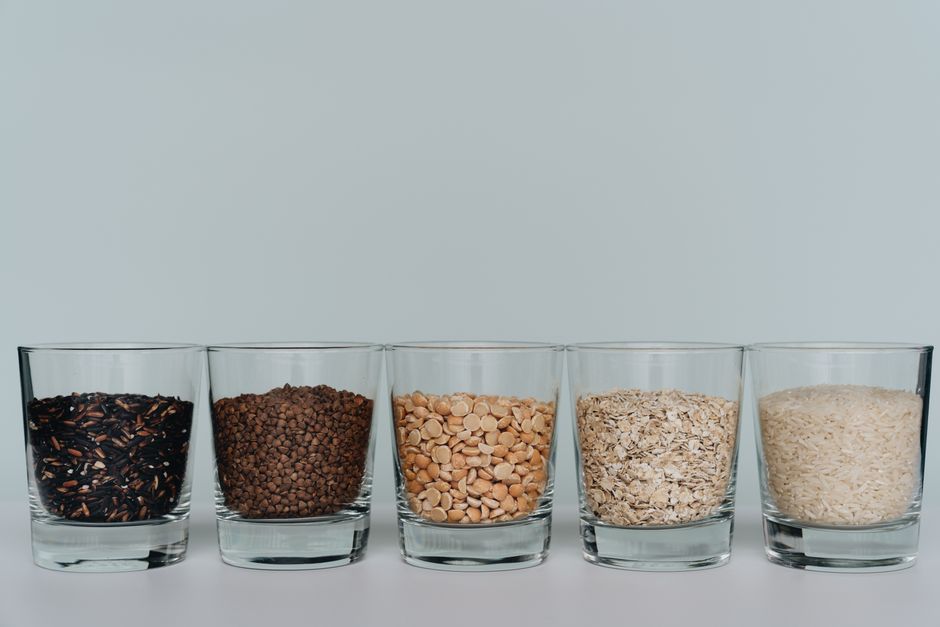
No food directly raises your white blood cell count the way a medicine can. White blood cells are made in your bone marrow, and their numbers are controlled mostly by your body’s own signals, not by your menu. What food can do is supply the nutrients your bone marrow needs to build immune cells and keep them working properly. A diet short on protein, zinc, folate, or vitamin B12 can hold white cell production back, and correcting those gaps helps the body do its job.
That difference matters. If you are looking for a food that will push your white count up by a specific number, that food does not exist. If you want to eat in a way that supports normal immune cell production, the evidence is clearer.
What Foods Increase White Blood Cells?
Foods that support white blood cell production are the ones rich in protein, zinc, folate, vitamin B12, vitamin C, and vitamin A. Lean meat, poultry, fish, eggs, dairy, beans, lentils, nuts, seeds, and colorful vegetables all supply these building blocks. None of them acts like a drug that forces the count upward.
Think of it this way. Your bone marrow is a factory that constantly makes white blood cells. The factory needs raw materials to keep running. Protein supplies amino acids. Zinc and B vitamins support cell division and maturation. Vitamin C and vitamin A help immune cells function once they are released.
When those materials are present in adequate amounts, the factory runs normally. When they are missing, production and function can suffer. That is the real relationship between food and white blood cells.
Protein-rich foods
Protein matters more than most people realize. White blood cells are built from amino acids, and a diet low in protein can impair immune function. This is seen most clearly in people who are malnourished, where low protein intake is linked with poor immune response and lower white cell counts.
- Chicken, turkey, and lean beef
- Fish and shellfish
- Eggs
- Greek yogurt, milk, and cheese
- Beans, lentils, and chickpeas
- Tofu and other soy foods
Zinc sources
Zinc is involved in the development and function of immune cells. Oysters are among the richest sources. Beef, pumpkin seeds, cashews, lentils, and fortified cereals also provide zinc. Some evidence suggests zinc status affects how well certain immune cells mature and respond.
Folate and vitamin B12
Both nutrients are needed for normal cell division, including the rapid division that produces blood cells. Folate is found in leafy greens, beans, lentils, and fortified grains. Vitamin B12 comes mainly from animal foods like meat, fish, eggs, and dairy, plus fortified products. A deficiency in either can affect blood cell production.
Vitamin C and vitamin A
Vitamin C supports several functions of immune cells, and some studies suggest low intake can weaken immune response. Citrus fruits, peppers, strawberries, and broccoli are good sources. Vitamin A, found in sweet potatoes, carrots, spinach, and liver, supports the normal structure and function of cells lining the body’s surfaces.
Can Certain Foods Raise Your White Blood Cell Count Quickly?
No food raises white blood cell count quickly in any reliable way. There is no food, supplement, or drink that has been shown to push the count up within hours or days in a healthy person. Claims that a specific food boosts white cells fast are not supported by clinical evidence.
This is where a lot of online content goes wrong. It takes a nutrient that plays a role in immune function and turns it into a promise of a rapid count increase. Those are two different things.
If your white count is low, the cause matters far more than your diet. Low counts can come from viral infections, certain medications, autoimmune conditions, bone marrow problems, or nutritional deficiencies. Some of these are serious. A food-first approach is not appropriate when a genuinely low count has an unexplained cause.
Diet can support normal immune function over weeks and months. It does not correct a low count caused by a medical problem.
Does Diet Really Affect White Blood Cell Count?
Diet affects white blood cells mainly when there is a deficiency to correct. In people who are well nourished, adding more of a nutrient usually does not raise the count further. The body regulates white cell numbers tightly and does not simply make more because you ate more.
The clearest evidence comes from malnutrition. Severe protein-energy malnutrition is associated with reduced immune function and changes in white cell numbers. Deficiencies of zinc, folate, and vitamin B12 have each been linked with effects on blood cells. Correcting those deficiencies restores normal function.
For someone eating a varied diet, the honest position is this. Good nutrition supports normal immune function. It does not act as a lever to push the count higher than normal.
One clarification worth knowing. A high white cell count is not a sign of a strong immune system. It often signals infection, inflammation, stress, or in some cases a blood disorder. More white cells is not automatically better.
Which Nutrients Does Your Bone Marrow Need to Make White Blood Cells?
Your bone marrow needs a steady supply of protein, vitamins, and minerals to produce blood cells. The most important are protein, vitamin B12, folate, iron, zinc, copper, and vitamin B6. Each plays a specific role in cell division, maturation, or the function of the cells once released.
| Nutrient | Role in blood cells | Common food sources |
|---|---|---|
| Protein | Supplies amino acids to build cells | Meat, fish, eggs, dairy, beans, lentils |
| Vitamin B12 | Supports normal cell division and maturation | Meat, fish, eggs, dairy, fortified foods |
| Folate | Needed for cell division | Leafy greens, beans, lentils, fortified grains |
| Zinc | Supports immune cell development and function | Oysters, beef, pumpkin seeds, lentils |
| Iron | Involved in normal blood cell production | Red meat, beans, lentils, spinach, fortified cereals |
| Copper | Works with iron in blood cell formation | Nuts, seeds, shellfish, whole grains |
| Vitamin B6 | Supports protein and cell metabolism | Poultry, fish, potatoes, chickpeas |
Iron deserves a note. It is best known for its role in red blood cells, but it also affects white cell function. Both too little and too much iron can affect immune response, which is why iron supplements should not be taken without a reason.
Do Supplements Boost White Blood Cells?
Most immune supplements have not been shown to raise white blood cell counts in healthy people. The evidence for popular products like echinacea, elderberry, and high-dose vitamin C is mixed or limited when it comes to actually changing white cell numbers. Some may modestly affect how long a cold lasts, but that is a different question from raising your count.
Zinc is one of the better studied nutrients. Some evidence indicates zinc lozenges may shorten the duration of a cold when started early, though results across studies vary. That does not mean zinc raises white cell counts.
There is a real risk with high-dose supplements. Very high doses of zinc can interfere with copper absorption and cause problems over time. Large doses of some vitamins can be harmful. More is not better when it comes to immune nutrients.
If you have a diagnosed deficiency, a clinician may recommend a specific supplement at a specific dose. That is different from taking a supplement hoping to boost your count. No clinical guidelines recommend immune supplements to raise white cell counts in healthy adults.
When Should a Low White Blood Cell Count Be Checked by a Doctor?
A low white blood cell count should be checked by a doctor when it is confirmed on a blood test, especially if it comes with repeated infections, unusual fatigue, fever, or easy bruising. Diet changes are not an appropriate first step for an unexplained low count.
Symptoms that warrant prompt medical attention include frequent or severe infections, wounds that heal slowly, unexplained fever, and persistent fatigue. These can have many causes, and some are serious.
A single low reading is not always meaningful. White cell counts can shift with viral illness, stress, and even the time of day. Doctors often repeat the test before drawing conclusions.
If you have been told your count is low, the useful question is why. A clinician can look at which types of white cells are affected, review your medications, and check for deficiencies. Food supports normal function. It does not replace that evaluation.
What Does a Healthy Diet for Immune Support Actually Look Like?
A healthy diet for immune support is a varied one built around vegetables, fruits, whole grains, lean protein, and healthy fats. It does not depend on any single food. The pattern matters more than any ingredient.
Practically, that means including protein at most meals, eating a range of colorful vegetables and fruits, and choosing whole grains and legumes regularly. These habits supply the nutrients in the table above without needing to track anything.
Some people need more attention to specific nutrients. People who avoid all animal products may need a reliable source of vitamin B12, since plant foods do not naturally contain it. Older adults can absorb B12 less efficiently. People with limited diets may fall short on protein or zinc.
Alcohol is worth mentioning. Regular heavy drinking can impair immune function and affect blood cell production. No food compensates for that.
The bottom line is not exciting, but it is accurate. There is no food that increases white blood cells on demand. There is a way of eating that gives your body what it needs to make and maintain them. That is the honest version, and it is the one worth following.
Frequently Asked Questions
What foods increase white blood cells the most?
No single food increases white blood cells the most, because food supports production rather than driving it upward. Protein-rich foods, zinc sources, and foods with folate and vitamin B12 give your bone marrow the nutrients it needs.
Can I raise my white blood cell count fast with food?
No, there is no food or supplement shown to raise white blood cell count quickly. If your count is genuinely low, the cause needs medical evaluation rather than a dietary fix.
Does vitamin C increase white blood cells?
Vitamin C supports normal immune cell function, but it has not been shown to raise white blood cell counts in healthy people. Some studies suggest it may modestly affect cold duration, which is a different outcome.
Is a high white blood cell count a sign of a strong immune system?
No, a high count often signals infection, inflammation, stress, or in some cases a blood disorder. A count within the normal range is the goal, not a high one.
