
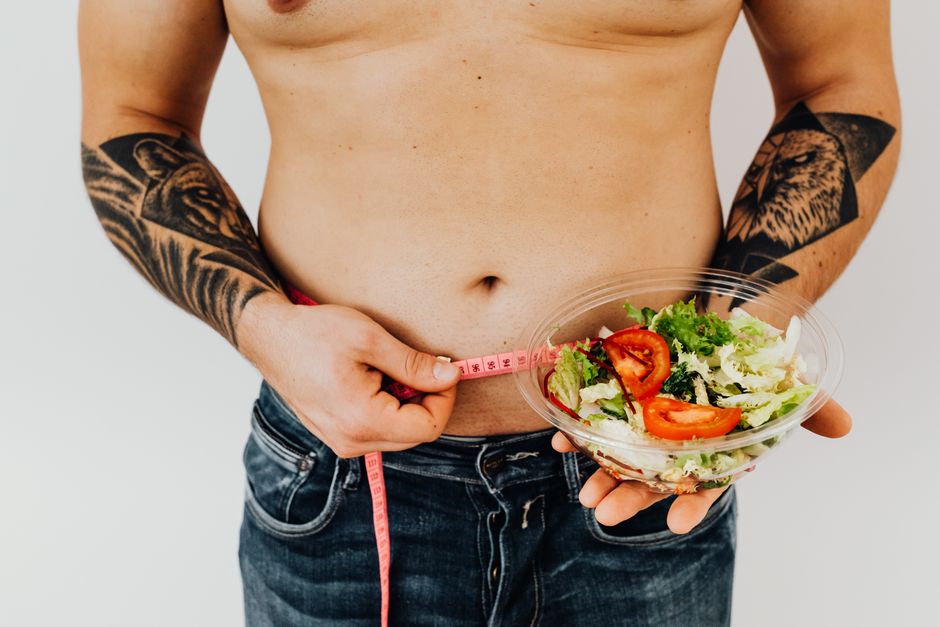
Testosterone levels are tied to diet, but not in the way most headlines suggest. No single food will spike your levels overnight. The evidence points to a bigger pattern: eating enough of the right nutrients — like zinc, magnesium, vitamin D, and healthy fats — while avoiding excess sugar and alcohol. Foods that support these nutrients, such as eggs, fatty fish, leafy greens, and oysters, give your body what it needs to produce testosterone at its natural rate.
How Does Food Actually Affect Testosterone?
Your body builds testosterone from cholesterol and fat. That is not a reason to eat junk food. It is a reason to understand that very low-fat diets can reduce testosterone production. One well-known study found that men eating a low-fat diet had lower testosterone levels than men eating a higher-fat diet. The difference was modest but measurable.
Beyond fat, your endocrine system needs specific vitamins and minerals to function. Zinc is a structural part of the testosterone molecule. Magnesium supports the enzymes that help produce it. Vitamin D acts more like a hormone than a vitamin, and low levels are linked to low testosterone. If you are deficient in any of these, correcting that deficiency is the most reliable dietary lever you have.
The key word is deficiency. If you already get enough zinc and magnesium, eating more will not raise testosterone further. Your body uses what it needs and excretes the rest. More is not better here.
What Foods Increase Testosterone Levels?
These foods are not magic. They are nutrient-dense options that correct common gaps in the modern diet. Include them as part of a balanced eating pattern, not as a special “testosterone diet.”
- Eggs — Egg yolks are one of the richest dietary sources of cholesterol, which your body needs to make testosterone. They also contain vitamin D and protein.
- Fatty fish — Salmon, mackerel, and sardines provide omega-3 fats and vitamin D. Both support hormone production and overall health.
- Oysters and shellfish — Oysters are extremely high in zinc. A single serving can exceed your daily requirement. Other shellfish like crab and mussels are also good sources.
- Lean red meat — Beef and lamb provide zinc, magnesium, and saturated fat in moderate amounts. Choose lean cuts and eat them in moderation.
- Leafy greens — Spinach, kale, and Swiss chard are high in magnesium. Magnesium deficiency is common and can impair testosterone production.
- Brazil nuts — These are one of the best sources of selenium, a mineral involved in testosterone synthesis. Eat only a few per day, as selenium toxicity is possible.
- Pomegranate — Some research suggests pomegranate juice may modestly increase testosterone levels. The evidence is not conclusive, but the fruit is healthy regardless.
- Ginger — A few small studies have linked ginger supplementation to higher testosterone levels in men with low baseline levels. The research is preliminary.
- Onions and garlic — Animal studies show these may support testosterone production, but human evidence is limited. They are healthy additions to your diet either way.
What About Vitamin D and Sunlight?
Vitamin D is unique because food alone rarely provides enough. Fatty fish, egg yolks, and fortified dairy help, but your skin synthesizes most of your vitamin D from sunlight. Multiple studies have found that men with higher vitamin D levels tend to have higher testosterone levels.
One study of overweight men found that those who took a daily vitamin D supplement for one year saw significant increases in testosterone, while the placebo group did not. This effect appears strongest in men who were deficient at the start. If your vitamin D is already normal, supplementation will not boost testosterone further.
A simple blood test can tell you where you stand. Most doctors define deficiency as a level below 20 ng/mL and insufficiency as below 30 ng/mL. If you are low, your doctor may recommend a specific supplement dose. Do not guess — high doses of vitamin D can be harmful over time.





Which Foods Lower Testosterone?
Knowing what to avoid matters as much as what to eat. Some dietary patterns are consistently linked to lower testosterone.
Sugar and refined carbohydrates are the biggest offenders. High sugar intake spikes insulin, and chronically high insulin suppresses testosterone production. This is one reason obesity and low testosterone often occur together. A diet heavy in sugary drinks, white bread, and processed snacks keeps insulin elevated throughout the day.
Alcohol directly impairs testosterone production. Heavy drinking — more than a drink or two per day — lowers testosterone and raises estrogen. Binge drinking has an even stronger effect. If you drink, moderation is the best approach.
Soy gets a lot of attention, but the evidence is mixed. Soy contains phytoestrogens, plant compounds that mimic estrogen weakly. Most human studies have found no significant effect on testosterone in men eating normal amounts of soy. The fear is largely overblown, but if you are concerned, there is no harm in limiting heavily processed soy products.
Mint, particularly spearmint and peppermint, has shown testosterone-lowering effects in animal studies and some small human trials. The effect is seen with concentrated teas or extracts, not with occasional mint in food. This is not a practical concern for most men.
Does Intermittent Fasting Lower Testosterone?
This is a common question, and the answer depends on the type of fasting. Short-term fasting — 16 to 24 hours — does not appear to harm testosterone levels in most men. Some research even suggests it may help by improving insulin sensitivity.
Prolonged fasting or severe calorie restriction is different. When your body senses starvation, it downregulates reproductive hormones to conserve energy. One study of men fasting during Ramadan found testosterone levels dropped during the fasting period but returned to normal after. Men who chronically undereat — especially those in a large calorie deficit while training hard — can see sustained drops in testosterone.
The practical takeaway: occasional fasting is fine, but chronic severe restriction is not. If you are cutting calories to lose weight, aim for a modest deficit. Crash dieting can lower testosterone and reduce muscle mass, which then lowers testosterone further.
What About Supplements?
Supplement marketing is aggressive, and most of it is not backed by solid evidence. The supplement industry is largely unregulated, and many “testosterone boosters” contain proprietary blends with no research behind them.
Three supplements have reasonable evidence: vitamin D (if you are deficient), zinc (if you are deficient), and magnesium (if you are deficient). Notice the pattern — they only work when you are lacking them. If your levels are normal, these supplements will not raise your testosterone.
Other popular supplements — D-aspartic acid, fenugreek, ashwagandha, and tribulus terrestris — have mixed or weak evidence. Some small studies show modest effects, but larger trials often fail to confirm them. No supplement has been shown to produce the dramatic effects that marketing suggests.
The most reliable “supplement” is sleep. One study found that healthy men who slept only five hours per night for one week had testosterone levels 10 to 15 percent lower than when they slept eight hours. No food or pill can override the effects of chronic sleep deprivation.
What Is the Best Overall Diet Pattern for Testosterone?
The Mediterranean diet has the strongest evidence for supporting healthy testosterone levels. This pattern emphasizes vegetables, fruits, whole grains, legumes, nuts, olive oil, and moderate amounts of fish and poultry. It is naturally rich in zinc, magnesium, and healthy fats while being low in refined sugar.
One study compared men following a Mediterranean-style diet to men following a typical Western diet. The Mediterranean group had higher testosterone levels after the study period. The effect was likely due to a combination of better nutrient intake, lower inflammation, and healthier body weight.
The most important dietary factor may be body fat. Fat tissue contains an enzyme called aromatase, which converts testosterone into estrogen. The more body fat you carry, the more testosterone gets converted away. Losing excess weight — even 5 to 10 percent — can raise testosterone levels meaningfully.
If you want a simple rule: eat whole foods, get enough protein and healthy fat, avoid excess sugar and alcohol, and maintain a healthy weight. That pattern supports testosterone better than any single “superfood.”
Frequently Asked Questions
What foods increase testosterone the fastest?
No food raises testosterone quickly. Correcting a nutrient deficiency — especially zinc or vitamin D — can produce measurable improvements within weeks, but no single food acts like a medication.
Do eggs really boost testosterone?
Eggs provide cholesterol and vitamin D, both needed for testosterone production. They help most if you were previously deficient in these nutrients, but they will not dramatically raise levels in a healthy man.
Does coffee affect testosterone?
Coffee does not appear to lower testosterone. Some studies even suggest caffeine may slightly increase levels, though the effect is small and not clinically significant.
Can losing weight increase testosterone?
Yes. Excess body fat converts testosterone to estrogen, so losing weight — especially belly fat — can raise testosterone levels. A modest weight loss of 5 to 10 percent of body weight often produces meaningful improvements.
