
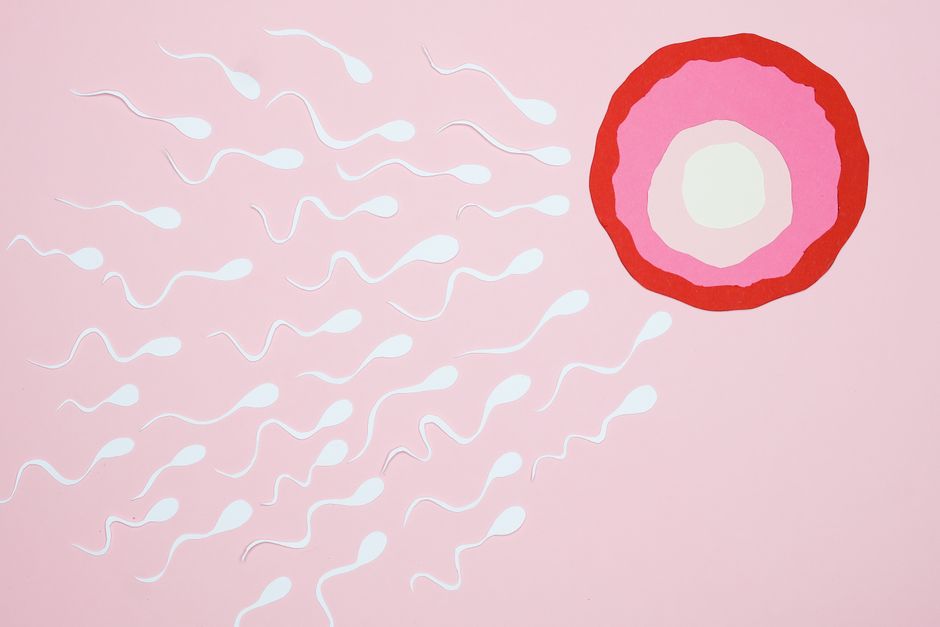
Male fertility depends on healthy sperm, and sperm health comes down to more than just count. The number of sperm, their shape, and their ability to swim all matter for conception. Diet directly influences all three.
Foods rich in antioxidants, zinc, folate, and omega-3 fatty acids support the body’s sperm production process. These nutrients protect sperm cells from damage and provide the raw materials sperm need to develop properly. A diet built on vegetables, fruits, nuts, seeds, fish, and whole grains gives a man the best nutritional foundation for fertility.
How Does Diet Affect Sperm Quality?
Sperm cells are vulnerable. They form constantly, and each cycle of development takes about 64 to 72 days. During that time, the cells are exposed to oxidative stress — a process where unstable molecules called free radicals damage cells.
Antioxidants neutralize free radicals. Foods that deliver antioxidants, like vitamin C, vitamin E, selenium, and zinc, help protect developing sperm from this damage. Studies have found that men with higher antioxidant intake tend to have healthier sperm than men with low intake.
Diet also influences hormone levels. Testosterone production requires certain nutrients, including zinc and healthy fats. When the body lacks these building blocks, sperm production can slow down.
What Foods Increase Sperm Count And Boost Fertility?
No single food is a magic bullet for fertility. But certain foods appear repeatedly in research on male reproductive health. These are the foods with the strongest evidence behind them.
- Oysters and shellfish — Among the richest food sources of zinc, a mineral essential for sperm formation and testosterone production.
- Walnuts — High in omega-3 fatty acids and antioxidants. Some research suggests daily walnut consumption improves sperm vitality and motility.
- Spinach and leafy greens — Provide folate, a B vitamin linked to healthier sperm DNA.
- Dark chocolate — Contains L-arginine and flavonoids that may improve sperm parameters, though evidence is preliminary.
- Pomegranate juice — Rich in antioxidants. Animal studies show promise, but human research is still limited.
- Eggs — Supply high-quality protein and vitamin D, both important for reproductive function.
- Salmon and fatty fish — Provide omega-3s, which support sperm membrane health and motility.
- Citrus fruits — High in vitamin C, which protects sperm from oxidative damage.
- Pumpkin seeds — Contain zinc and antioxidants in a convenient snack form.
- Garlic — Contains allicin, which some research suggests may support sperm health.
These foods work best as part of a consistent eating pattern. A single serving of walnuts or an occasional oyster dinner will not change sperm quality. Regular intake over several months gives nutrients time to influence sperm development.
Which Nutrients Matter Most for Sperm Health?
Specific nutrients have stronger evidence than others. Understanding what each one does helps explain why certain foods appear on fertility lists.
Zinc is critical. It supports testosterone production and is a structural component of sperm cells. Men with zinc deficiency often have lower sperm count. Oysters, beef, pumpkin seeds, and lentils are reliable sources.
Selenium works as an antioxidant and helps form sperm structure. Brazil nuts are exceptionally high in selenium — just one or two nuts per day meets the adult requirement. Fish, meat, and eggs also provide selenium.
Folate helps prevent DNA damage in sperm. While folate deficiency is less common than zinc deficiency, adequate intake supports healthy cell division. Leafy greens, beans, and fortified grains supply folate.
Omega-3 fatty acids are structural fats found in sperm membranes. They affect how well sperm can move. Fatty fish, walnuts, and flaxseeds are the main dietary sources.
Vitamin C and vitamin E are antioxidants that protect sperm from oxidative stress. Some research suggests combined supplementation improves sperm count and motility, but food sources remain the safest approach. Citrus fruits, berries, nuts, and vegetable oils provide these vitamins.





What Foods Should Men Limit or Avoid?
Some foods and habits work against sperm health. Cutting back matters as much as adding fertility-friendly foods.
Processed meats like bacon, sausage, and deli meats have been linked to lower sperm quality in observational studies. The connection may relate to preservatives or the overall pattern of a highly processed diet.
Trans fats found in fried foods and commercial baked goods are associated with poorer sperm parameters. These fats interfere with cell membrane function.
Excess alcohol can lower testosterone and impair sperm production. The evidence is strongest for heavy drinking. Moderate consumption has less clear effects, but men actively trying to conceive often choose to minimize intake.
Sugary drinks and high-glycemic foods may contribute to insulin resistance, which can affect hormone balance. Some studies link regular consumption of sugar-sweetened beverages to lower sperm motility.
Soy in very large amounts contains phytoestrogens that could theoretically affect hormone balance. Current evidence does not show that normal dietary soy intake harms sperm. Men who consume extremely high amounts may want to moderate intake, but typical consumption appears safe.
Smoking is the single most damaging habit for sperm health. Men who smoke have lower sperm count, poorer motility, and more DNA damage than nonsmokers. No food can fully offset these effects.
How Long Before Diet Changes Affect Sperm?
Sperm production takes about 64 to 72 days from start to finish. A sperm cell present in an ejaculate today began developing roughly two to three months ago.
This timeline means dietary changes do not produce immediate results. A man who improves his diet should expect to wait at least three months before seeing potential changes in a semen analysis. Most fertility specialists recommend evaluating diet and lifestyle changes over this full cycle.
Consistency matters more than perfection. Occasional poor food choices will not ruin sperm health if the overall pattern is nutrient-dense. Likewise, an occasional healthy meal will not fix months of poor nutrition.
Can Supplements Replace a Fertility Diet?
Supplements are not a substitute for a healthy diet. Whole foods deliver nutrients in combinations that supplements cannot replicate, and food provides fiber and other compounds with their own benefits.
That said, certain supplements have research support. Some studies suggest that antioxidant supplements like vitamin C, vitamin E, coenzyme Q10, and selenium may improve sperm parameters in men with infertility. The evidence is not uniform, and results vary between studies.
Men with diagnosed deficiencies may benefit most from targeted supplementation. A blood test can identify low levels of zinc, vitamin D, or other nutrients. Supplementing to correct a known deficiency is more effective than taking high doses without knowing your status.
High-dose supplements carry risks. Excessive selenium, for example, can be toxic. Work with a doctor before starting any fertility supplement regimen, especially at high doses.
What Else Affects Sperm Count Besides Diet?
Diet is one piece of a larger picture. Several lifestyle factors have strong evidence behind them.
Weight matters. Obesity is linked to lower sperm count and altered hormone levels. Even moderate weight loss in overweight men can improve sperm parameters.
Heat damages sperm. The testicles sit outside the body because sperm production requires a temperature slightly below core body temperature. Frequent sauna use, hot tubs, and tight underwear can raise scrotal temperature and temporarily lower sperm quality.
Sleep affects hormone production. Men who consistently sleep fewer than seven hours per night may have lower testosterone. Aiming for seven to eight hours supports overall health, including reproductive function.
Stress also plays a role. High stress levels can disrupt the hormones that control sperm production. Chronic stress may contribute to lower sperm quality, though the effect size varies between men.
Exercise in moderation supports fertility. Regular physical activity improves circulation and hormone balance. However, extreme endurance training can temporarily lower sperm quality. Moderate, consistent exercise appears optimal.
Frequently Asked Questions
How long does it take for diet to improve sperm count?
Sperm production takes about 64 to 72 days, so dietary changes need at least three months to show potential effects. A semen analysis done before starting changes and again after three months gives a realistic comparison.
Can eating walnuts really increase sperm count?
Some research suggests walnuts improve sperm vitality and motility, but no single food dramatically increases sperm count. Walnuts are a healthy addition to a fertility diet, not a standalone solution.
Does coffee affect sperm count?
Current evidence is mixed on caffeine and sperm health. Moderate coffee consumption of one to two cups daily does not appear harmful, but very high intake may be linked to poorer sperm quality in some studies.
What is the fastest way to improve sperm quality?
Stop smoking, limit alcohol, manage weight, and eat a nutrient-dense diet consistently. No method produces instant results because sperm development takes roughly two to three months from start to finish.
