
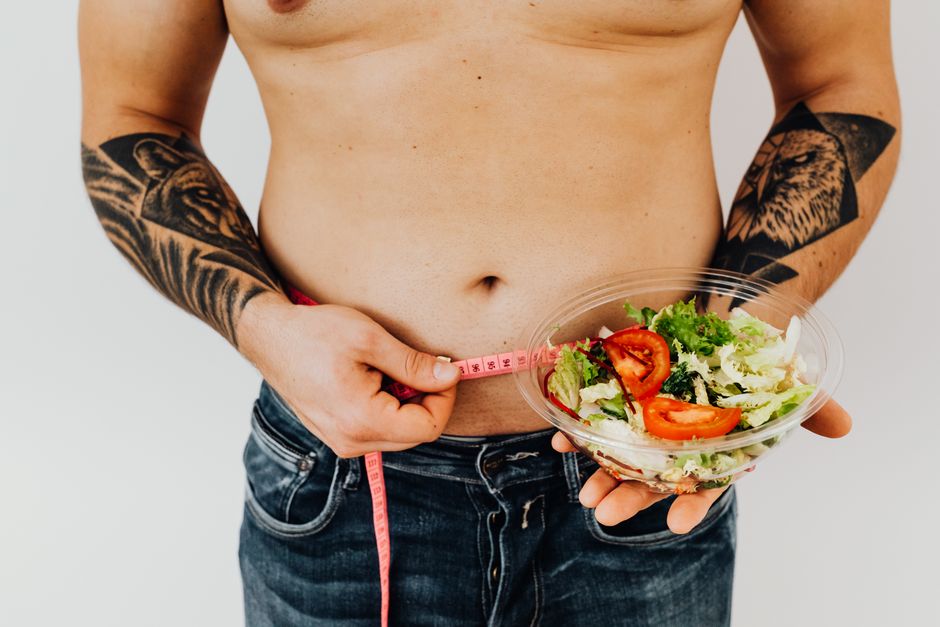
What you eat can directly affect your sperm health. Research shows that nutrients like zinc, selenium, and antioxidants support sperm production and quality. Foods rich in these nutrients—such as oysters, nuts, and dark leafy greens—are linked to higher sperm count and better motility.
How Does Diet Affect Sperm Count and Fertility?
Sperm cells are produced constantly in the testicles, and this process takes about 64 to 72 days. During that time, the body needs a steady supply of specific nutrients to create healthy sperm. Small changes in diet can influence sperm count, shape, and movement.
Nutrients like zinc and selenium help form the outer layer of sperm and protect their DNA. Antioxidants such as vitamin C and vitamin E neutralize free radicals that can damage sperm. Omega-3 fatty acids support the flexibility of sperm cell membranes, which is important for swimming.
When the body lacks these nutrients, sperm quality often declines. This is why diet is one of the few factors a man can directly control to improve fertility.
Key Nutrients for Sperm Health: What the Evidence Says
Zinc is essential for sperm formation. Men with low zinc levels often have lower sperm count. Oysters are the richest food source, but red meat, poultry, beans, and nuts also provide zinc. Some studies suggest zinc supplements may improve sperm count, but the evidence is not strong enough to recommend routine supplementation.
Selenium helps protect sperm from oxidative damage. Brazil nuts are the most concentrated source. Just one Brazil nut can meet your daily selenium needs. Other sources include fish, eggs, and whole grains.
Coenzyme Q10 (CoQ10) is an antioxidant produced by the body. It appears to improve sperm motility in some studies. Food sources include fatty fish, organ meats, and whole grains, but the amounts are small. CoQ10 supplements are sometimes used, but results from human trials are mixed.
Vitamin C and Vitamin E work as antioxidants in the body. Vitamin C is found in citrus fruits, bell peppers, and strawberries. Vitamin E is abundant in sunflower seeds, almonds, and spinach. Both are thought to protect sperm DNA from damage.
Vitamin D levels are linked to sperm quality in some research. Fatty fish, fortified dairy, and sunlight exposure can raise vitamin D levels. However, large trials have not confirmed that vitamin D supplements improve fertility.
Omega-3 fatty acids, especially DHA, are important for sperm membrane structure. Fatty fish like salmon, mackerel, and sardines are good sources. Flaxseeds and walnuts contain a plant-based omega-3, but conversion to DHA in the body is limited.
What Foods Increase Male Fertility and Sperm Count?
Oysters are well known for their zinc content. A single oyster provides several milligrams of zinc, along with selenium and vitamin B12. Studies have associated regular oyster consumption with improved sperm quality in men with low zinc levels.
Brazil nuts are the richest natural source of selenium. Eating two to three Brazil nuts per day can keep selenium levels in a healthy range. But avoid eating large amounts—selenium toxicity can occur with high intake.
Dark leafy greens like spinach, kale, and Swiss chard provide folate, a B vitamin that helps prevent DNA damage in sperm. Folate deficiency has been linked to abnormal sperm shape.
Walnuts contain omega-3s and antioxidants. One small study found that men who ate 75 grams (about two handfuls) of walnuts daily for 12 weeks had better sperm motility and structure. Larger studies are needed, but walnuts are a healthy addition to the diet.
Fatty fish such as salmon, mackerel, and sardines provide omega-3s and vitamin D. Some research links higher fish intake with better sperm count and motility. However, most of these studies are observational, so cause and effect is not proven.
Berries are rich in antioxidants, particularly anthocyanins and vitamin C. Blueberries, strawberries, and raspberries may help protect sperm from oxidative stress. No study has directly shown that berries improve fertility, but their antioxidant content supports overall reproductive health.
Pumpkin seeds are a good source of zinc, magnesium, and antioxidants. Magnesium supports testosterone production. While small studies show some benefit, the evidence is not strong enough to single out pumpkin seeds as a fertility food.





Should You Take Supplements for Sperm Health?
Supplements are often marketed to improve male fertility, but the evidence is mixed. A 2020 review of male fertility supplements found that only a few ingredients—such as zinc and selenium—showed potential benefit, and even then the results were inconsistent.
The problem is that many supplements contain multiple ingredients in unknown doses. Some ingredients can interact or cause side effects. For example, too much selenium can be toxic, and excessive zinc can interfere with copper absorption.
Most experts recommend getting key nutrients from food first. If you have a diagnosed deficiency or a specific medical condition, supplements may be appropriate under a doctor’s guidance. But for the average healthy man, a varied diet likely provides all the nutrients needed for sperm health.
How Quickly Can Diet Changes Improve Sperm Quality?
Sperm production takes about 64 to 72 days. After that, new sperm are released into the semen. For this reason, any dietary change needs at least three months to affect sperm quality.
Some studies have shown improvements in sperm count and motility after three to six months of dietary changes or supplementation. However, the speed of improvement depends on the underlying cause of the poor sperm quality. Men with nutrient deficiencies may see faster changes than men with other fertility issues.
It is impossible to predict exactly how an individual will respond. But making dietary changes and waiting the full three months is a reasonable approach before rechecking sperm parameters.
What Should You Avoid for Better Sperm Health?
Dietary improvements matter most when you also avoid things that harm sperm. Alcohol in large amounts can lower testosterone and reduce sperm quality. The safe limit is not clear, but heavy drinking is consistently linked to poor fertility.
Smoking damages sperm DNA and lowers count. Even secondhand smoke may affect sperm quality. Quitting smoking can improve sperm parameters within months.
Processed meats and trans fats have been associated with lower sperm counts in some studies. A diet high in fried foods, sugary drinks, and ultra-processed snacks may also contribute to inflammation that harms sperm.
Heat is another concern. Frequent hot baths, saunas, or tight underwear can raise scrotal temperature and temporarily lower sperm production. Letting the testicles cool down between exposures usually reverses this effect.
Finally, maintaining a healthy weight is important. Obesity is linked to hormone imbalances and reduced sperm quality. Losing weight through diet and exercise often improves fertility.
Frequently Asked Questions
Can eating certain foods really improve sperm count?
Yes, but the effect depends on your starting nutrient status. If you are deficient in zinc or selenium, correcting that deficiency through food can raise sperm count. In well-nourished men, additional nutrients may not provide the same benefit.
How long does it take for diet to affect sperm quality?
It takes about three months to see changes because sperm production takes around 64 to 72 days. Consistent dietary changes over that period can improve sperm count, motility, and shape.
Are supplements better than foods for male fertility?
No. Whole foods provide nutrients in balanced amounts with other compounds that aid absorption. Supplements can help if you have a diagnosed deficiency, but they carry risks of overdose and do not offer the same benefits as a varied diet.
Does weight affect sperm count?
Yes. Obesity is linked to lower testosterone levels, higher estrogen, and reduced sperm quality. Losing excess weight through diet and exercise can improve fertility outcomes.
