
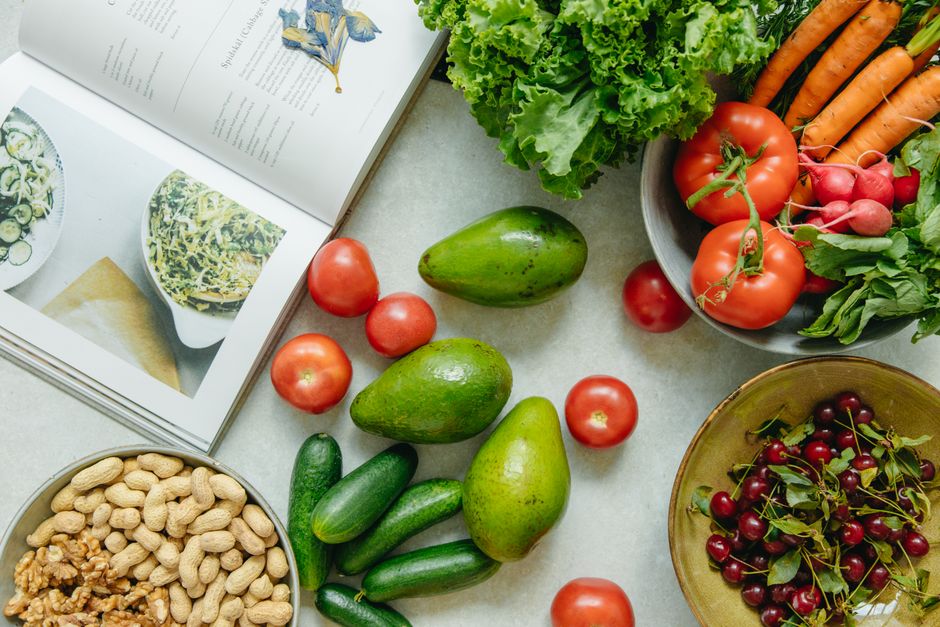
Tendonitis is inflammation of a tendon — the tough cord of tissue that connects muscle to bone. No single food treats it, but eating patterns rich in vegetables, fruit, fatty fish, whole grains, and legumes support the body’s normal inflammatory balance, while heavily processed foods and excess alcohol work against it. Food is a supporting player here, not a cure. Rest, load management, and physical therapy remain the core of tendonitis care.
What Foods Help With Tendonitis Inflammation?
The strongest dietary pattern for tendonitis looks a lot like a Mediterranean-style diet. That means plenty of vegetables, fruit, whole grains, beans, nuts, olive oil, and fish, with less red meat and fewer processed foods.
This pattern is associated with lower levels of general inflammation in the body. It is not a proven treatment for tendonitis specifically. No large human trial has shown that any diet resolves tendon inflammation on its own. What the evidence does support is a food pattern that helps keep the body’s inflammatory systems in normal balance.
Several food groups do specific work worth knowing about.
- Fatty fish such as salmon, sardines, mackerel, and herring. These are rich in omega-3 fatty acids, which the body uses to produce signaling molecules involved in regulating inflammation.
- Colorful vegetables and fruit — leafy greens, berries, peppers, tomatoes, and citrus. These supply vitamin C, which the body requires for collagen synthesis. Collagen is a core structural protein in tendon tissue.
- Legumes and whole grains — lentils, chickpeas, beans, oats, and brown rice. These provide fiber, which supports a healthy gut and is linked to lower markers of systemic inflammation.
- Nuts and seeds — walnuts, almonds, flaxseed, and chia. These add omega-3 fats, magnesium, and vitamin E.
- Olive oil as a primary fat source, which is a hallmark of the Mediterranean pattern.
One thing worth clarifying: tendonitis is not the same as tendinopathy. Tendonitis means active inflammation. Tendinopathy is a broader term for tendon pain and degeneration that often involves little or no true inflammation. Many chronic tendon problems fall into the second category. That distinction matters because dietary strategies aimed at inflammation may help less than people expect in long-standing tendon pain. This is a genuine area of debate in sports medicine, not a settled fact.
How Does Diet Affect Inflammation in the Body?
Inflammation is a normal immune response. When tissue is injured, immune cells release signaling molecules called cytokines that drive blood flow, swelling, and repair. This acute phase is protective and necessary.
Diet influences the background level of inflammation in the body over time. Some foods supply the raw materials for anti-inflammatory signaling. Others promote a chronic low-grade inflammatory state when eaten heavily and consistently.
Omega-3 fatty acids from fish are converted into compounds that help resolve inflammation. Omega-6 fats from seed oils are converted into compounds that promote it. Both types are essential and the body needs both. The ratio in the diet matters more than either one alone. Most Western diets are heavy on omega-6 and light on omega-3, which shifts the balance.
Refined carbohydrates and added sugars can raise blood glucose quickly and repeatedly. Over time this is associated with higher levels of inflammatory markers in the blood. The relationship is well established at the population level. It does not mean a single sugary meal causes tendon damage.
Which Specific Nutrients Matter for Tendon Repair?
Tendons are mostly collagen, a protein. Repairing and maintaining tendon tissue requires adequate protein, vitamin C, and a range of minerals. This is established biochemistry, not marketing.
Protein supplies the amino acids the body uses to build collagen. Adults generally need enough protein daily to support tissue repair, and requirements can rise with injury or heavy training. General guidance for healthy adults is roughly 0.8 grams of protein per kilogram of body weight per day. Some clinicians suggest higher intake during recovery, though optimal amounts for tendon healing specifically are not established in clinical guidelines.
Vitamin C is required for collagen synthesis. Without it, the body cannot properly form collagen. The US recommended dietary allowance is 90 mg per day for adult men and 75 mg per day for adult women. A single orange or a serving of bell pepper covers this easily. There is no good evidence that taking far more than the RDA speeds tendon healing.
Vitamin D plays a role in bone and muscle function, and low levels are common. Some research links low vitamin D to tendon problems, but the evidence is not strong enough to say that correcting a deficiency heals tendonitis. Testing and treating a confirmed deficiency is reasonable clinical practice. Routine high-dose supplementation without testing is not supported.
Zinc and copper are involved in collagen cross-linking, the process that gives tendon tissue its strength. Deficiencies are rare in people eating a varied diet.
Supplement companies often market collagen powders and specific amino acid blends for tendon repair. Here the evidence is genuinely limited. Some small studies suggest collagen supplementation alongside exercise may support tendon adaptation, but results vary and the trials are small. No large, high-quality trial has confirmed that collagen supplements treat tendonitis.
What Should You Limit If You Have Tendonitis?
Cutting back on heavily processed foods, added sugars, and excess alcohol is reasonable advice for anyone with an inflammatory condition. The evidence for tendonitis specifically is indirect, but the general direction is consistent.
Foods and drinks worth limiting include:
- Sugary drinks and frequent sweets
- Deep-fried foods and processed meats
- Refined white flour products in large amounts
- Excess alcohol
Alcohol deserves a specific mention. Heavy drinking is associated with impaired healing and higher systemic inflammation. It is also linked to higher injury risk and poorer recovery. The relationship between moderate drinking and tendon healing is not well studied, so no specific safe limit for tendonitis exists in clinical guidelines.
Smoking is not a food, but it belongs in the same conversation. Smoking narrows blood vessels and reduces blood flow to connective tissue. It is associated with poorer tendon healing after injury and surgery. Quitting is one of the more meaningful things a person can do for tissue recovery.
Does an Anti-Inflammatory Diet Cure Tendonitis?
No. Diet does not cure tendonitis. This matters because the internet is full of claims that certain foods or supplements “fix” tendon pain, and those claims are not backed by clinical trials.
Tendonitis treatment rests on load management — reducing the activity that aggravated the tendon, then gradually reloading it. Physical therapy with progressive exercise is the intervention with the strongest evidence base for most tendon problems. Ice may help with pain in the short term. Nonsteroidal anti-inflammatory drugs can reduce pain and inflammation, though some clinicians caution against relying on them heavily during early healing because inflammation is part of the repair process. That concern is debated and not settled.
A good diet supports the body’s capacity to heal. It does not replace the mechanical work of rehabilitation. Tendons respond to load. They do not respond to food alone.
The most honest framing: food is a foundation, not a treatment. Getting the basics right — enough protein, plenty of vegetables and fruit, adequate omega-3 fats, limited processed food — gives the body what it needs. It will not make tendon pain disappear on its own.
How Long Does Tendonitis Take to Heal?
Healing timelines vary widely and depend on the tendon involved, the severity, and whether the problem is true inflammation or longer-standing tendinopathy. Many mild cases improve within a few weeks with rest and load modification. Chronic tendon problems can take months.
Diet does not meaningfully change these timelines on its own. No food has been shown in clinical trials to speed tendon healing. What diet can do is support overall recovery by supplying adequate protein and micronutrients and by avoiding patterns linked to chronic inflammation.
Anyone with tendon pain that is not improving, is worsening, or is accompanied by swelling, warmth, or loss of function should see a clinician. Some tendon problems need imaging or referral. Food choices are not a substitute for that evaluation.
Frequently Asked Questions
What foods help with tendonitis inflammation?
A Mediterranean-style pattern rich in vegetables, fruit, fatty fish, legumes, whole grains, nuts, and olive oil is the best-supported dietary approach. These foods support normal inflammatory balance and supply nutrients used in collagen repair.
Does collagen powder help tendonitis?
The evidence is limited. Some small studies suggest collagen supplementation alongside exercise may support tendon adaptation, but no large trial has confirmed it treats tendonitis.
Is turmeric good for tendon inflammation?
Curcumin, the compound in turmeric, has shown anti-inflammatory effects in some studies, but evidence for tendonitis specifically is limited. It is not a substitute for load management and physical therapy.
Should I avoid sugar if I have tendonitis?
Limiting added sugar is reasonable because high intake is linked to higher systemic inflammation over time. No study shows that cutting sugar resolves tendon pain on its own.
