
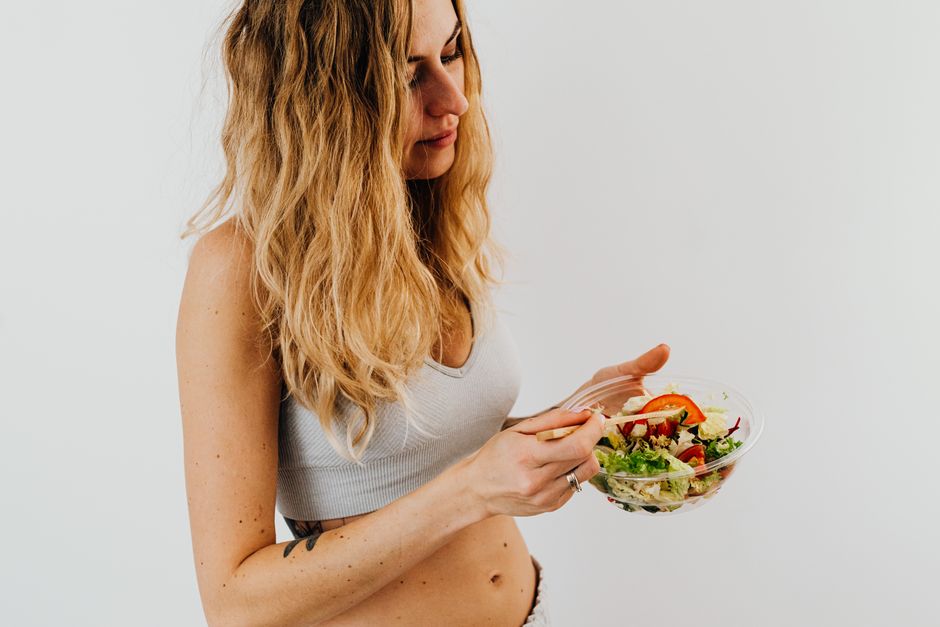
Hair grows from follicles that need a steady supply of protein, iron, zinc, and several vitamins to build strong strands. When you are deficient in any of these, hair growth can slow and shedding can increase. Foods rich in these nutrients — eggs, fatty fish, lean meat, legumes, nuts, seeds, and leafy greens — support normal hair growth, but only if your body was actually short on them to begin with.
What Foods Help Hair Growth And Thickness?
No single food grows hair. Hair is mostly protein, and the nutrients that support its growth come from your overall diet.
The foods most consistently linked to healthy hair in the research are those rich in protein, iron, zinc, vitamin D, and B vitamins. Here is what the evidence supports.
- Eggs. A strong source of high-quality protein and biotin. Egg yolks also contain other nutrients hair follicles use.
- Fatty fish. Salmon, mackerel, and sardines supply protein, vitamin D, and omega-3 fatty acids.
- Lean meat and poultry. Beef, chicken, and turkey provide protein, iron, and zinc in forms the body absorbs well.
- Legumes. Lentils, chickpeas, and beans deliver protein, iron, zinc, and biotin.
- Nuts and seeds. Especially pumpkin seeds, almonds, and walnuts for zinc, healthy fats, and vitamin E.
- Dark leafy greens. Spinach and similar greens supply iron, folate, and vitamin C.
- Whole grains. Provide B vitamins, iron, and zinc.
- Dairy and fortified foods. Contribute vitamin D and calcium.
These foods support normal hair growth. They do not make hair grow faster than your genetics allow. The distinction matters, because a lot of supplement marketing blurs it.
How Does Nutrition Actually Affect Hair Growth?
Hair follicles are among the most metabolically active tissues in the body. They divide rapidly, which makes them sensitive to nutrient shortages.
Each strand cycles through three phases: growth (anagen), transition (catagen), and rest and shedding (telogen). A typical scalp has most follicles in the growth phase at any one time. When the body is short on key nutrients, more follicles can shift into the shedding phase early. That shows up as increased hair loss, usually a few months after the shortage begins.
This is why hair problems often appear late. The strand you lose today reflects what your body was doing months ago. It also means dietary fixes take time to show results — the same lag works in reverse.
The key point: nutrition supports hair growth when there is a deficit. If your nutrient levels are normal, adding more of a nutrient does not typically speed up growth. Research on supplements has generally found benefit mainly in people who were deficient to begin with.
Which Nutrients Matter Most for Hair?
Several nutrients have clear roles in hair biology. The evidence for deficiency causing hair problems is stronger than the evidence for supplementation improving hair in people with normal levels.
Protein. Hair is built from keratin, a protein. Severe protein deficiency causes hair loss, and it is well documented. Getting adequate protein daily supports normal growth.
Iron. Iron carries oxygen to cells, including hair follicles. Low iron stores are one of the more commonly identified contributors to hair shedding, particularly in women. Ferritin, a marker of stored iron, is often checked when hair loss is evaluated. The relationship is well established, though the exact threshold at which low iron affects hair is still debated.
Zinc. Zinc supports tissue growth and repair. Deficiency is linked to hair loss, and zinc deficiency can be caused by poor diet or certain gut conditions.
Biotin (vitamin B7). Biotin deficiency causes hair loss, but true deficiency is rare. No strong evidence shows biotin supplements help hair in people who are not deficient. This is one of the most overhyped nutrients in hair products.
Vitamin D. Some studies have found lower vitamin D levels in people with certain types of hair loss. Whether correcting it improves hair growth is less clear. The evidence is mixed.
Vitamin A, vitamin E, and folate. These play roles in cell growth and turnover. Severe deficiency causes problems, but excess vitamin A can actually trigger hair loss — more is not better.

Can a Nutrient Deficiency Cause Hair Loss?
Yes. Nutrient deficiencies are a recognized cause of hair shedding, and they are one of the more treatable causes when identified.
The pattern usually involves diffuse thinning or increased shedding across the scalp rather than distinct bald patches. It often develops gradually and can be easy to miss at first.
Deficiencies more commonly linked to hair loss include iron, zinc, protein, and biotin. Others can contribute in severe cases. The tricky part is that many of these deficiencies produce vague symptoms — fatigue, pale skin, brittle nails — that people do not connect to their hair.
If you are losing more hair than usual, a clinician can check for common causes with blood tests. This is more reliable than guessing based on diet or symptoms alone. Hair loss has many causes, and not all of them are nutritional.
Do Supplements Help Hair Growth?
Only when you are deficient. For most people with normal nutrient levels, hair supplements have not been shown to improve hair growth in good-quality studies.
This is where marketing runs far ahead of evidence. Biotin supplements are heavily promoted, yet the research does not show they help hair in people without a deficiency. Some studies suggest certain supplements may help in specific situations, but results vary and the evidence is not strong enough to recommend them broadly.
There is also a safety issue worth knowing. High-dose biotin can interfere with certain lab tests, including some thyroid and heart tests, producing misleading results. That is a real concern, not a theoretical one.
Some clinicians recommend a multivitamin or specific supplements when a deficiency is confirmed. That is different from taking supplements on the chance they might help. The distinction is whether there is an actual shortfall to correct.
What Else Affects Hair Thickness Besides Food?
Diet is one factor among many. Genetics, hormones, age, stress, and medical conditions often matter more.
Hair thickness and density are strongly influenced by genetics. If your parents had thin hair, diet will not override that. Hormonal changes — including thyroid problems and shifts in sex hormones — commonly affect hair. So do certain medications, illness, and major physical or emotional stress.
Sudden, heavy shedding that starts weeks after a stressful event or illness is often a type of temporary shedding called telogen effluvium. It usually resolves on its own as the trigger passes, though it can take months. This is a case where the timeline is genuinely variable and worth discussing with a clinician rather than self-treating with supplements.
Pattern hair loss, which runs in families, is driven largely by hormones and genetics. No food or supplement reverses it. Established treatments exist for some types of hair loss, but they are medical decisions, not dietary ones.
One clarification worth making: hair that looks thin is not always hair that is falling out. Fine hair and low density are different from active shedding. They call for different responses. A clinician can help tell them apart.
What Does a Hair-Healthy Diet Look Like?
A hair-healthy diet is not a special diet. It is a balanced one that meets your nutrient needs consistently.
That means adequate protein at meals, a variety of vegetables and fruits, whole grains, and healthy fats. Iron-rich foods pair well with vitamin C, which improves iron absorption from plant sources. This is a well-established nutrition principle, not a hair-specific trick.
Extreme dieting is a common and underappreciated cause of hair shedding. Very low-calorie diets and rapid weight loss can shortchange the body of protein and micronutrients, and hair is one of the first things to show it. If you are restricting food heavily, that is worth factoring in.
For most people, the practical takeaway is unglamorous. Eat enough protein. Include iron- and zinc-rich foods. Do not rely on supplements to fix a diet that is short on basic nutrients. And if hair loss is significant, persistent, or accompanied by other symptoms, get it checked rather than assuming food will solve it.
Frequently Asked Questions
What foods help hair growth and thickness the most?
Foods high in protein, iron, zinc, and vitamin D support normal hair growth, including eggs, fatty fish, lean meat, legumes, nuts, seeds, and leafy greens. They help most when your diet was short on these nutrients to begin with.
Can eating more protein make hair thicker?
Protein supports normal hair growth because hair is made of protein, but eating extra will not make hair thicker if you already get enough. It mainly matters when protein intake is too low.
Does biotin really help hair grow?
Biotin helps only if you are actually deficient, which is rare. No strong evidence shows biotin supplements improve hair in people with normal levels, and high doses can interfere with some lab tests.
How long does it take to see hair growth from diet changes?
Hair grows slowly, so changes typically take several months to become visible. The exact timeline varies by person and by what was corrected.
