
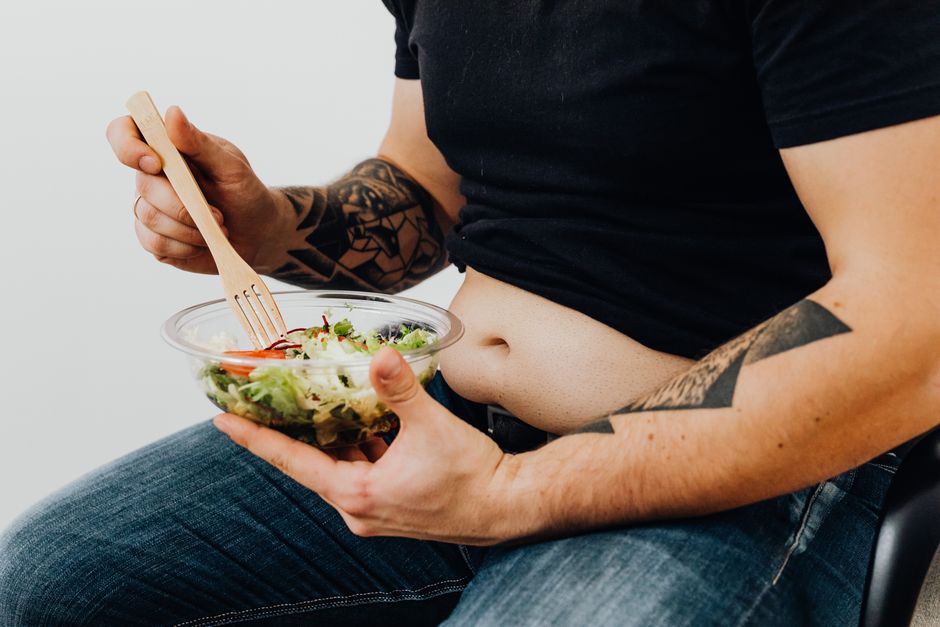
No single food burns belly fat. What you eat as a whole pattern is what changes it. Foods high in protein and fiber, eaten in place of refined carbohydrates and added sugar, are the ones most consistently linked to less fat stored around the waist.
Belly fat is not just a cosmetic concern. The fat packed around your internal organs, called visceral fat, behaves differently from fat under the skin. It releases inflammatory signals and free fatty acids that raise the risk of type 2 diabetes and heart disease. That is why where fat sits on your body matters as much as how much of it there is.
Why Is Belly Fat Different From Other Fat?
Visceral fat sits deep inside the abdomen, wrapped around the liver, pancreas, and intestines. Subcutaneous fat sits just under the skin. You can pinch subcutaneous fat. You cannot pinch visceral fat, which is part of why a person with a flat-looking stomach can still carry a risky amount of it.
Visceral fat is metabolically active. It releases fatty acids and inflammatory compounds directly into the bloodstream, and that blood flows straight to the liver. This is one reason visceral fat is tied more closely to insulin resistance and cardiovascular risk than fat stored on the hips or thighs.
Genetics, hormones, age, and stress all influence where your body stores fat. Men tend to accumulate visceral fat earlier than women, though the pattern shifts for women after menopause. None of this means belly fat is fixed. It means the levers are diet, activity, sleep, and stress, not a single ingredient.
What Foods Actually Help Reduce Belly Fat?
Foods that help are the ones that keep you full, steady your blood sugar, and replace calories that come with little nutritional value. Protein and fiber do most of that work.
Protein takes more energy to digest than fat or carbohydrate, and it blunts hunger more effectively. Fiber slows digestion, feeds beneficial gut bacteria, and adds bulk that helps you feel satisfied. When these two are present at most meals, you tend to eat less without counting anything.
Foods worth building meals around:
- Eggs — high-quality protein with almost no carbohydrate
- Beans and lentils — protein plus fiber in the same food
- Plain Greek yogurt — protein without the added sugar of flavored varieties
- Fatty fish such as salmon and sardines — protein plus omega-3 fats
- Chicken, turkey, and lean cuts of beef or pork
- Vegetables — leafy greens, broccoli, peppers, tomatoes, and others
- Whole fruit — berries, apples, pears, and citrus in particular
- Oats and barley — contain a soluble fiber called beta-glucan
- Nuts and seeds — calorie-dense, so portion matters
- Olive oil — a core fat in Mediterranean-style eating
Notice what is missing. No single item on that list targets belly fat specifically. They work because of what they replace and how they affect appetite and blood sugar over months, not days.
Which Foods and Drinks Drive Belly Fat Up?
Added sugar is the clearest dietary driver. Sugar-sweetened drinks are the biggest single source for many people, because liquid calories do little to make you feel full. The liver processes fructose from these drinks in a way that favors fat storage, including in the abdomen.
Refined grains act similarly. White bread, white rice, most crackers, and many breakfast cereals digest quickly and spike blood sugar, followed by a crash that leaves you hungry again soon after.
Alcohol deserves its own mention. Heavy drinking is associated with fat accumulation around the middle, sometimes called a “beer belly.” But the effect is not limited to beer, and it is not limited to heavy drinkers. Alcohol adds calories and can disrupt sleep, which affects appetite hormones the next day.
Ultra-processed foods round out the list. These are products with long ingredient lists, added sugars, refined oils, and little fiber. They are engineered to be easy to overeat, and studies consistently link higher intake to greater weight gain over time.





Do Specific Nutrients Target Belly Fat?
Some nutrients have real evidence behind them, though none is a shortcut.
Fiber is the strongest. Higher fiber intake is linked to lower weight and less visceral fat across many studies. Soluble fiber, found in oats, barley, beans, and apples, appears to matter most.
Protein supports muscle mass during weight loss. That matters because muscle burns more calories at rest than fat does, and losing muscle slows your metabolism over time.
Omega-3 fats, found in fatty fish, have been studied for their effects on inflammation and fat distribution. Some research suggests benefits for visceral fat, but results are not consistent enough to treat fish oil as a fat-loss tool.
Monounsaturated fats, like those in olive oil and avocados, are part of Mediterranean-style eating patterns that have been linked to less abdominal fat over time. The pattern as a whole is what the evidence supports, not the individual fat.
One clarification worth making: foods marketed as “fat-burning” — green tea extract, cayenne, apple cider vinegar, and similar products — have small or inconsistent effects in research. No study has confirmed that any of them produces meaningful belly fat loss on its own.
Does Diet Alone Work, or Does Lifestyle Matter Too?
Diet does most of the work, but it is not the whole picture. Sleep, stress, and activity all influence where your body stores fat and how hard it is to lose.
Short sleep raises ghrelin, a hormone that increases hunger, and lowers leptin, which signals fullness. People who consistently sleep too little tend to eat more and crave higher-calorie foods. Chronic stress does something similar through cortisol, which is associated with greater abdominal fat storage over time.
Physical activity matters for a reason people often miss. You cannot target fat loss to one area by exercising that area. Doing crunches will not burn belly fat specifically. What aerobic activity and strength training do is create a calorie deficit and preserve muscle, which is what actually changes body composition. Strength training two or more days a week is the general public health recommendation for adults.
There is no food or exercise that removes fat from the abdomen on demand. Fat is mobilized from stores throughout the body, and where it comes off first is largely determined by genetics and hormones, not by what you ate that day.
How Long Does It Take to See a Change?
Visceral fat responds faster to diet and exercise than subcutaneous fat does. Some studies show measurable reductions in visceral fat within a few weeks of a consistent calorie deficit and increased activity, even before the scale moves much.
That said, visible change around the waist typically takes longer. A realistic expectation is weeks to months, not days. The scale can also stall while body composition is still improving, especially if you are gaining muscle at the same time.
Waist circumference is a better tracking measure than weight alone for this purpose. Measuring at the level of your belly button, or the narrowest point of your waist, gives you a number that reflects abdominal fat more directly than pounds do.
What Does the Overall Eating Pattern Look Like?
The pattern that shows up again and again in research is one built on vegetables, fruit, whole grains, beans, nuts, fish, and olive oil, with limited added sugar, refined grains, and ultra-processed food. Mediterranean-style eating is the most studied example.
You do not need to follow a named diet. You need a structure that makes protein and fiber the default at meals and pushes sugary drinks and refined snacks to occasional rather than daily.
A simple way to check whether your plate fits: is there a protein source, a vegetable or fruit, and a whole grain or bean? If two of those three are missing, that meal is likely to leave you hungry sooner.
No food eliminates belly fat. The foods above help create the conditions where your body can reduce it, and they do so gradually. That is the honest version of what the evidence supports.
Frequently Asked Questions
Can certain foods target belly fat specifically?
No. No food burns fat from one area of the body. Foods high in protein and fiber help reduce overall fat, including visceral fat, by keeping you full and steadying blood sugar.
Is belly fat worse for your health than fat elsewhere?
Yes, visceral fat around the organs is more strongly linked to type 2 diabetes and heart disease than fat under the skin. That is why waist measurement matters alongside overall weight.
How long does it take to lose belly fat with diet changes?
Visceral fat can drop within a few weeks of a consistent calorie deficit and more activity. Visible change around the waist usually takes weeks to months.
Do I need to cut carbs completely to lose belly fat?
No. Reducing refined carbohydrates and added sugar helps, but you do not need to eliminate all carbs. Whole grains, beans, and fruit are linked to less abdominal fat, not more.
