
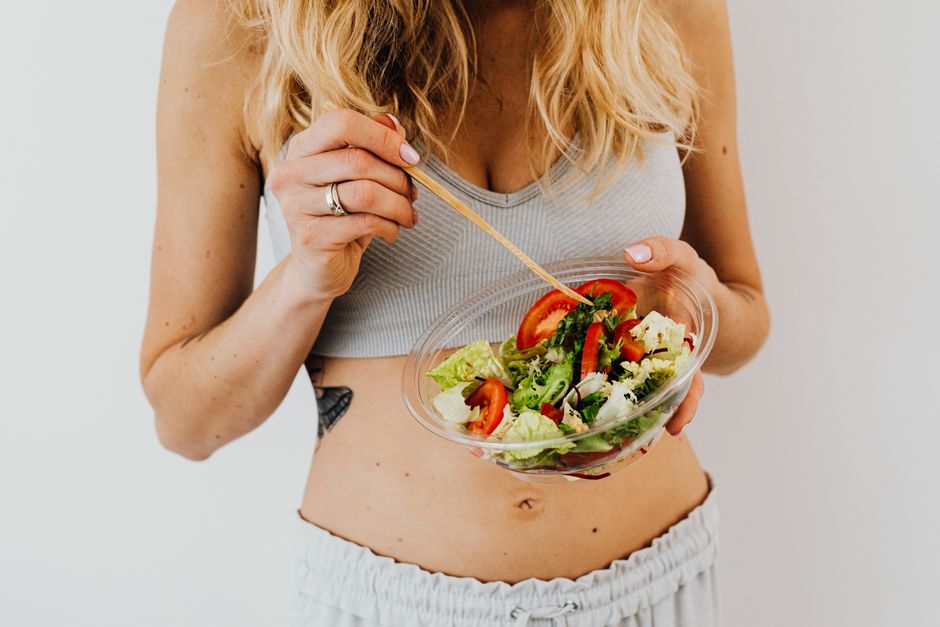
If you want the most iron per bite, look at clams, oysters, and organ meats like beef liver. After that come red meats such as beef and lamb, then smaller amounts from poultry and fish. Plant foods carry iron too — lentils, white beans, tofu, and spinach among them — but the body absorbs that form less easily.
Iron is not one nutrient with one behavior. It comes in two forms, and your body treats them very differently. Knowing which foods hold which form, and what helps or blocks absorption, changes how useful any single food actually is.
What Foods Have The Most Iron?
Animal foods lead the list, and the reason is the type of iron they contain. This form is called heme iron, and it is found in meat, poultry, and seafood. The body absorbs heme iron far more efficiently than the plant form. That single fact explains most of the ranking below.
Organ meats sit at the top. Beef liver is one of the most iron-dense foods available. Clams and oysters are close behind. Red meat like beef and lamb follows. Dark poultry meat, sardines, and tuna come next.
Plant foods hold non-heme iron. Lentils, white beans, chickpeas, tofu, spinach, and fortified cereals all carry it. The amounts look respectable on a label. The problem is absorption.
Here is a comparison of iron content in commonly eaten foods. Values are approximate and drawn from standard nutrient databases. Cooking method and cut can shift these numbers.
| Food | Iron (mg per 100g, cooked) | Type |
|---|---|---|
| Beef liver | ~6-7 mg | Heme |
| Clams | ~3 mg | Heme |
| Oysters | ~5-9 mg (varies) | Heme |
| Beef (lean) | ~2-3 mg | Heme |
| Lamb | ~2 mg | Heme |
| Dark turkey meat | ~1-2 mg | Heme |
| Lentils | ~3 mg | Non-heme |
| White beans | ~2-3 mg | Non-heme |
| Tofu (firm) | ~2-3 mg | Non-heme |
| Spinach | ~2-3 mg | Non-heme |
| Fortified cereal | Varies by product | Non-heme |
Notice that lentils and beef liver are not far apart on paper. In practice, the liver delivers more usable iron. That gap is the whole story of iron nutrition.
Why Does the Body Absorb Heme Iron Better?
Heme iron enters your bloodstream through a dedicated pathway. It is wrapped inside a ring structure called a porphyrin, and your intestinal cells have a specific route for pulling it in. That route is not easily blocked by other compounds in food.
Non-heme iron has no such escort. It has to be chemically reduced to a form your cells can move across the gut wall. This process is slower and easily disrupted. Phytates in grains and legumes, and polyphenols in tea and coffee, can bind non-heme iron and carry it out of the body before it is absorbed.
This is why a bowl of lentils and a small serving of beef can supply similar labeled iron yet have very different effects on your iron status. It is also why vegetarians and vegans need to think about iron more deliberately. Their intake may look adequate on paper while absorption lags.
One clarification worth knowing: vitamin C does not add iron to food. It converts non-heme iron into a more absorbable form and protects it from being bound by inhibitors. That is a meaningful difference. It means pairing matters as much as quantity.
What Blocks Iron Absorption?
Several common compounds reduce how much non-heme iron you take in. The effect is real and measurable, though it varies by person and by meal.
- Phytates — found in whole grains, legumes, and nuts. They bind iron and reduce absorption.
- Polyphenols — in tea, coffee, and some wines. A cup of tea with a meal can lower non-heme iron uptake.
- Calcium — competes with iron for absorption, whether from dairy or supplements.
The practical point is timing, not avoidance. You do not need to give up tea or beans. Drinking tea between meals rather than with them reduces the interference. So does adding a vitamin C source to the same meal.
Heme iron is largely unaffected by these blockers. That is another reason animal sources rank higher in practice than a simple nutrient label suggests.


How Can You Improve Iron Absorption From Plant Foods?
Pair non-heme iron with vitamin C at the same meal. This is the most reliable strategy and it is well supported. Bell peppers, citrus, tomatoes, and broccoli all work.
Cooking methods matter too. Cooking acidic foods in cast iron can leach small amounts of iron into the food, though the amount is hard to predict and varies with the pan, the food, and the cooking time.
Soaking, sprouting, and fermenting grains and legumes reduces phytate content. This is a traditional practice in many cuisines, and it does improve mineral absorption. It is not a dramatic fix, but it helps.
Avoid taking calcium supplements at the same time as an iron-rich meal. If you take both, separating them by a few hours is a reasonable approach. Some clinicians recommend this, though the size of the benefit varies between people.
How Much Iron Do You Need?
Requirements differ sharply by age, sex, and life stage. The numbers below reflect established reference values used in the United States.
- Adult men (19+): 8 mg per day
- Adult women (19-50): 18 mg per day
- Adult women (51+): 8 mg per day
- Pregnant women: 27 mg per day
The gap between men and menstruating women is not arbitrary. Menstrual blood loss depletes iron stores, so women of reproductive age need more than double the intake of men. Pregnancy raises demand further because the fetus and placenta draw on the mother’s supply.
These are general reference values for healthy people. They are not a treatment target. If you have been diagnosed with iron deficiency or anemia, your needs may be different and should be set by a clinician.
No clinical guidelines currently exist for iron dosing in infants or young children outside of pediatric care. That is a matter for a pediatrician, not a general article.
Who Is Most at Risk for Low Iron?
Iron deficiency is one of the most common nutrient shortfalls worldwide. Certain groups are more vulnerable than others.
Menstruating women lose iron every month and are at higher risk. Pregnant women face increased demand. Infants and young children going through rapid growth have high needs. People who donate blood frequently can deplete stores over time.
Vegetarians and vegans are also at higher risk, not because plant foods lack iron but because they absorb less of it. People with celiac disease or other conditions that impair nutrient absorption may struggle as well. So can those who take medications that reduce stomach acid, since acid helps liberate iron from food.
Symptoms of low iron include fatigue, pale skin, shortness of breath, and cold hands and feet. These are nonspecific. Many conditions cause them. A blood test is the only way to know whether iron is the cause.
Should You Take an Iron Supplement?
Only take iron supplements if a clinician has confirmed you need them. This is not a case where more is safer.
Iron is not excreted easily. The body regulates it mainly at absorption, not at removal. Excess iron can accumulate and cause organ damage over time. In people with a condition called hemochromatosis, the body absorbs too much iron regardless of need, and supplements can be harmful.
Common side effects of iron supplements include constipation, nausea, and dark stools. These are well documented. A clinician can adjust the dose or form if side effects are troublesome.
Food sources are generally the safer route for healthy people. Supplements are appropriate when a deficiency is diagnosed, when dietary intake cannot meet a documented need, or when a clinician recommends them for a specific reason. Taking iron “just in case” is not supported.
Frequently Asked Questions
What food has the most iron?
Beef liver and shellfish like clams and oysters are among the most iron-dense foods, and they contain the well-absorbed heme form. Organ meats generally top the list by a wide margin.
Is spinach a good source of iron?
Spinach contains iron, but it also contains compounds that block absorption, so the usable amount is lower than the label suggests. Pairing it with a vitamin C source helps.
Do vegetarians need more iron than meat eaters?
They often need to pay closer attention because plant iron is absorbed less efficiently. The recommended intake for vegetarians is generally higher to account for this gap.
Can you get too much iron from food?
For most healthy people, food sources do not cause iron overload because absorption is regulated. People with hemochromatosis are a notable exception and should follow medical guidance.
