
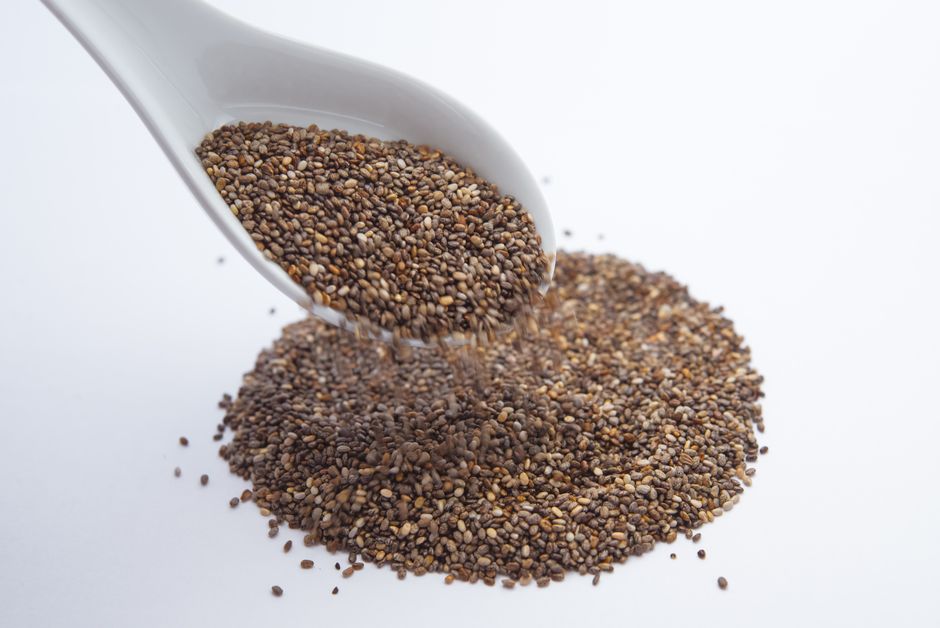
Seed oils show up in more foods than most people expect. They are in fried foods, baked goods, salad dressings, mayonnaise, margarine, snack chips, and most ultra-processed packaged foods. Common seed oils include soybean, canola, corn, sunflower, safflower, cottonseed, and peanut oil. These oils come from the seeds of plants rather than from fruits like olives or avocados.
The term “seed oil” is not a formal nutrition category. It is a grouping used in popular discussion. Nutrition researchers more often talk about “industrial seed oils” or “refined vegetable oils.” The distinction matters because the health claims and warnings you see online are usually aimed at this whole group, even though the oils differ from each other in meaningful ways.
What Foods Have Seed Oils?
Seed oils are most concentrated in processed foods and restaurant cooking. If you want to know where they are, look at the ingredient list. The most common ones are soybean oil, canola oil, corn oil, sunflower oil, safflower oil, cottonseed oil, and peanut oil.
Foods that commonly contain seed oils include:
- Fried foods from restaurants and fast-food chains, which often use soybean or canola oil in fryers
- Packaged snacks such as chips, crackers, and granola bars
- Commercial baked goods, including cookies, cakes, and pastries
- Salad dressings and mayonnaise
- Margarine and some butter blends
- Ultra-processed foods like frozen meals, instant noodles, and some sauces
- Roasted nuts and seeds that list oil in the ingredients
- Some breads and tortillas made with added oils
Soybean oil is the most widely consumed cooking oil in the United States. That single fact explains a lot. It is cheap, neutral in flavor, and has a high smoke point, which makes it useful for industrial food production and restaurant frying. When people say seed oils are “everywhere,” soybean oil is usually the reason.
Are Seed Oils Different From Olive Oil and Avocado Oil?
Yes, and the difference is mostly about how they are made and what they contain. Olive oil and avocado oil are pressed from the fruit of the plant. Seed oils are typically extracted from seeds using heat, pressure, and sometimes chemical solvents, then refined.
The refining process removes impurities and raises the smoke point, but it also strips out some of the natural compounds found in unrefined oils. This is not automatically a health problem. It is a difference in processing, not proof of harm.
The bigger nutritional difference is in fatty acid composition. Seed oils are high in polyunsaturated fats, especially omega-6 fatty acids. Olive oil and avocado oil are high in monounsaturated fats. Both polyunsaturated and monounsaturated fats are considered healthy fats in dietary guidance. The concern some people raise is about the ratio of omega-6 to omega-3 fats in the diet, which is a separate and more debated question.
Do Seed Oils Cause Inflammation?
The claim that seed oils cause inflammation is widely repeated and not well supported by human evidence. The idea comes from the biology of omega-6 fats. Some omega-6 fatty acids are converted in the body into compounds that play a role in inflammatory signaling. From that, people infer that eating more omega-6 fats must increase inflammation.
That inference does not hold up cleanly. The body tightly regulates these conversion pathways, and the amount converted is small. Linoleic acid, the main omega-6 fat in seed oils, has been studied in human trials. Reviews of that research have generally not found that higher linoleic acid intake raises markers of inflammation in people.
Some studies suggest the opposite direction, with higher linoleic acid levels associated with lower cardiovascular risk in observational data. That is association, not proof of cause. The honest summary is this: the inflammation claim is a hypothesis built on mechanism, not an established finding in humans.
Are Seed Oils Linked to Health Problems?
Large health organizations and dietary guidelines have generally treated polyunsaturated seed oils as heart-healthy when they replace saturated fats. Replacing butter or lard with soybean or canola oil tends to lower LDL cholesterol, and that effect is well established.
Where the evidence gets thinner is in long-term outcomes. Some observational studies link higher intakes of certain oils to better cardiovascular outcomes. Others are less clear. The evidence is mixed on several fronts, and it is fair to say no large trial has settled every question.
A few points are worth separating:
- Replacing saturated fat: Swapping saturated fat for polyunsaturated fat is linked to lower LDL cholesterol and, in trials, to reduced cardiovascular events.
- Heating and reuse: Repeatedly reheated frying oil can form compounds that are not good for health. This is a food-handling issue, not a property of the oil itself.
- Ultra-processed foods: Many foods high in seed oils are also ultra-processed and high in salt, sugar, and calories. The health concerns tied to those foods may have little to do with the oil.
That last point deserves attention. When people cut seed oils and feel better, the change often comes from eating fewer packaged and fried foods overall. It is hard to separate the oil from everything else in those foods.
Should You Avoid Seed Oils?
There is no strong clinical evidence that moderate use of seed oils is harmful for most people. Avoiding them entirely is not a recommendation supported by major health organizations. The more defensible advice is about the foods that carry them.
If your goal is to eat fewer ultra-processed foods, reading ingredient labels helps. Cooking more at home gives you control over which fats you use. Olive oil, avocado oil, and canola oil are all reasonable choices depending on what you are cooking and your budget.
People with specific medical conditions, food allergies, or who are following a prescribed diet should talk with a clinician or registered dietitian rather than relying on general rules from the internet.
How Can You Tell If a Food Contains Seed Oil?
The ingredient list is the only reliable way to know. Seed oils must be listed by name on packaged food labels in the United States. Look for the words soybean, canola, corn, sunflower, safflower, cottonseed, or peanut oil, and for the general term “vegetable oil,” which is usually soybean oil or a blend.
Restaurant food is harder. Most restaurants do not publish which oil they fry in. If this matters to you, asking the staff is reasonable, though the answer may not always be accurate or consistent.
One practical note: “vegetable oil” on a label tells you very little. It is a catch-all term, and the actual oil can vary by brand and by batch. If a specific oil matters to you, a label that names the oil is more useful than one that does not.
What About Cold-Pressed and “Clean” Seed Oils?
Cold-pressed seed oils are made without the high heat and chemical solvents used in standard refining. This can preserve more of the oil’s natural flavor and some of its minor compounds. Whether that translates into meaningful health differences has not been established in human trials.
Marketing language like “clean” or “pure” on an oil bottle is not regulated in a way that guarantees anything about health. It describes processing or branding, not a proven benefit. The fatty acid profile of cold-pressed sunflower oil is essentially the same as refined sunflower oil.
Do Seed Oils Contain Trans Fats?
Fully refined seed oils contain little to no trans fat. Partially hydrogenated oils, which were once common in margarine and packaged snacks, did contain trans fats and were the real concern. Those oils have been largely removed from the US food supply following regulatory action.
This is an important distinction. Much of the older concern about vegetable oils was really concern about hydrogenated oils. Modern refined seed oils are a different product.
Frequently Asked Questions
What foods are highest in seed oils?
Fried restaurant foods, packaged snacks, commercial baked goods, margarine, and salad dressings are among the highest sources. Soybean oil is the most common seed oil in the US food supply.
Is canola oil a seed oil?
Yes, canola oil is pressed from the seeds of the canola plant, a variety of rapeseed. It is high in monounsaturated fat and low in saturated fat compared with many other oils.
Are seed oils worse than butter?
For LDL cholesterol, replacing butter with polyunsaturated seed oils tends to lower it, and that effect is well established. Whether that translates to fewer heart events over decades is supported by some trials but not settled for every oil.
Does olive oil count as a seed oil?
No, olive oil is pressed from the fruit of the olive tree, not from seeds. Avocado oil and coconut oil are also fruit-derived, which is why they are usually grouped separately from seed oils.
