
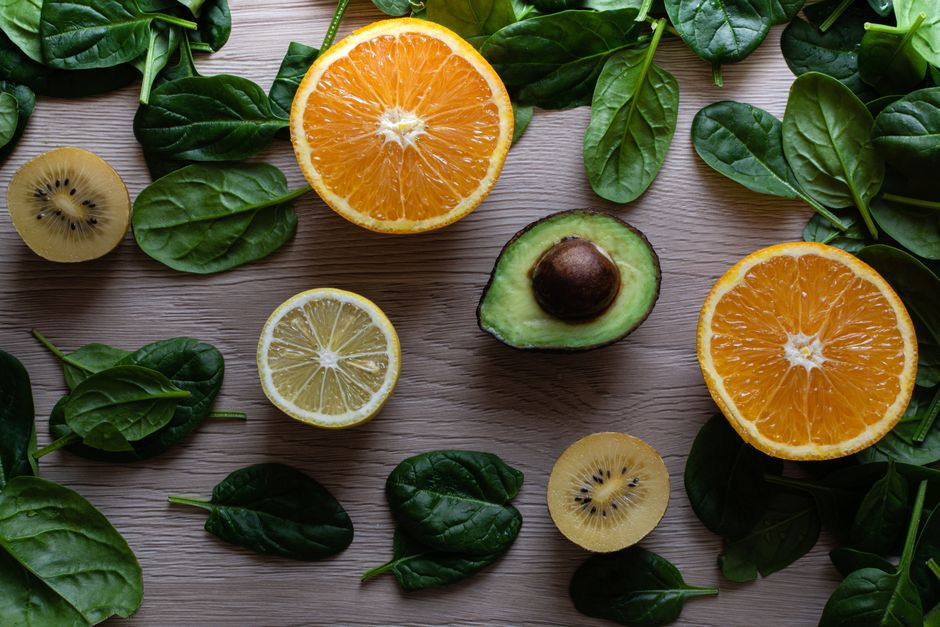
Purines are natural chemical compounds found in the DNA and RNA of every living cell, plant and animal alike. The foods highest in purines are organ meats, certain seafoods, red meat, and beer. Some plant foods also contain purines, but research suggests they do not raise gout risk the way animal sources do.
If you have gout or a high uric acid level, your doctor may have told you to watch purines. The advice is often vague. This guide breaks down which foods actually carry purines, how much, and what the evidence does and does not support.
What Are Purines and Why Do They Matter?
Purines are building blocks of genetic material. When your body breaks them down, one of the end products is uric acid.
Most uric acid comes from your own cells turning over, not from food. The body produces uric acid constantly as part of normal metabolism. Your kidneys filter most of it out through urine, and a smaller amount leaves through the gut.
Problems start when uric acid builds up faster than the body can clear it. When blood uric acid rises above the saturation point, it can form sharp crystals in and around joints. That is gout. A normal blood uric acid level is generally under about 6.8 mg/dL, the point at which uric acid can begin to crystallize. Many labs report normal ranges up to around 7 mg/dL for men and slightly lower for women.
Diet is only one lever. Genetics, kidney function, body weight, and certain medications all influence uric acid levels. For many people with gout, diet alone does not fully control the disease. That is an important point and one that often gets lost.
What Foods Have Purines?
The purine content of food varies enormously. Organ meats sit at the top. Some fish and shellfish are close behind. Muscle meats like beef and pork are moderate to high. Most vegetables, fruits, grains, and dairy products are low.
Here is a general picture of where purines concentrate:
- Very high: Liver, kidney, sweetbreads, and other organ meats; anchovies, sardines, mussels, and certain fish roe
- High: Beef, pork, lamb, bacon, game meats, scallops, trout, tuna, and haddock
- Moderate: Poultry, legumes such as lentils and beans, spinach, asparagus, mushrooms, and cauliflower
- Low: Eggs, dairy products, most fruits, most vegetables, breads, rice, and pasta
Beer deserves its own line. It is both a source of purines from yeast and a driver of uric acid production. Alcoholic beverages in general increase uric acid, and beer appears to have a stronger effect than spirits or wine in several studies.
Do Plant Purines Raise Gout Risk?
This is where the science gets interesting. Plant foods like spinach, asparagus, mushrooms, and legumes contain measurable purines. Yet the research has repeatedly failed to show that eating them raises gout risk.
Studies following large groups of people over time have found that purine-rich vegetables are not linked to gout attacks. Some research suggests the same is true for legumes. The leading explanation is that other compounds in these foods, and the way the body handles plant purines, may offset any effect.
This distinction matters. Many people with gout avoid spinach and beans unnecessarily. Based on the available evidence, that restriction is not supported. The purine content on a lab table does not translate directly into gout risk in the body.
Dairy is another case worth noting. Low-fat dairy appears to be associated with lower uric acid levels in some studies, which is why it often features in dietary guidance for gout.





How Much Purine Is in Specific Foods?
Exact purine values exist in food databases, but they are not standardized across sources. Numbers vary depending on how a food is measured and prepared. Rather than chase precise figures, most clinical guidance groups foods into broad categories.
That said, a rough ranking helps. Organ meats typically contain several hundred milligrams of purines per 100 grams. Anchovies and sardines are in a similar range. Muscle meats like beef and chicken generally fall lower, and most vegetables are lower still.
One clarification worth making: cooking does not destroy purines. Boiling meat can pull some purines into the water, which is why some traditional guidance recommends discarding the broth. The effect is real but modest. It does not make a high-purine food low-purine.
What About Alcohol and Sugary Drinks?
Beer is the best-known dietary trigger for gout, and the evidence for it is reasonably strong. It combines purines from brewer’s yeast with alcohol, which itself increases uric acid production and reduces how much the kidneys excrete.
Spirits also raise uric acid, though the effect size appears smaller than beer in observational studies. Wine has shown a weaker or less consistent association, but the evidence is not strong enough to call wine protective.
Sugar-sweetened beverages are another factor. Fructose, a type of sugar common in sodas and many processed foods, is broken down in a way that produces uric acid. Several studies have linked higher intake of sugary drinks to higher gout risk. This is a separate mechanism from purines, but it belongs in the same conversation.
Does Avoiding Purines Actually Prevent Gout Attacks?
Dietary change can lower uric acid, but the effect is usually modest compared with medication. For people with frequent gout attacks or tophi, uric acid-lowering drugs are the mainstay of treatment. Diet plays a supporting role.
That does not make diet irrelevant. For people with mildly elevated uric acid or a first gout attack, dietary changes can be meaningful. Weight loss, reducing alcohol, and cutting back on sugary drinks all appear to help. Limiting organ meats and certain seafood is reasonable given their very high purine content.
What the evidence does not support is extreme restriction. Very low-purine diets are hard to follow, can be nutritionally poor, and seldom control gout on their own. A balanced approach that targets the highest-purine animal foods and alcohol is more realistic and better supported.
If you take a medication that raises uric acid, such as certain diuretics, that is worth discussing with your doctor. Sometimes adjusting the medication matters more than adjusting the menu.
Which Foods Are Low in Purines?
Plenty of everyday foods are low in purines and safe to build meals around. Eggs, all types of dairy, most fruits, most vegetables, rice, pasta, bread, and potatoes fall into this group.
Coffee is worth a mention. Some research has linked coffee consumption to lower gout risk, though the reasons are not fully clear and the findings are observational. Tea has shown weaker or inconsistent results.
Vitamin C intake has also been studied for its effect on uric acid, with some evidence suggesting a modest lowering effect. The findings are not strong enough to recommend high-dose supplements for gout, and large doses of vitamin C can cause digestive upset and, in some people, raise kidney stone risk.
Cherries come up often in gout conversations. Some small studies have reported lower uric acid or fewer attacks with cherry intake, but the evidence is limited and not definitive. It is a reasonable food to include, not a treatment to rely on.
The Bottom Line on Purines
Purines are in all foods that contain cells, but the amounts and the health effects differ sharply. Organ meats, certain seafood, red meat, and beer are the sources most worth limiting if you have gout or high uric acid.
Plant sources like spinach, asparagus, mushrooms, and legumes carry purines on paper but have not been shown to raise gout risk. Avoiding them is not necessary for most people.
Diet is one part of managing uric acid, not the whole story. If you have gout, talk with your doctor about the full picture, including medication, weight, alcohol, and other health conditions. No single food list replaces that conversation.
Frequently Asked Questions
Are eggs high in purines?
No. Eggs are very low in purines because they contain no cell nuclei. They are a good protein choice for people watching purine intake.
Is chicken high in purines?
Chicken is moderate in purines, lower than organ meats and red meat but higher than most plant foods. Portion size and preparation matter more than avoiding poultry entirely.
Can I eat spinach if I have gout?
Yes. Spinach contains purines, but studies have not shown that purine-rich vegetables raise gout risk. Most guidance does not recommend avoiding it.
Does drinking water help lower uric acid?
Staying well hydrated supports kidney function and urine flow, which helps the body clear uric acid. Water does not replace medication for people who need uric acid-lowering treatment.
