
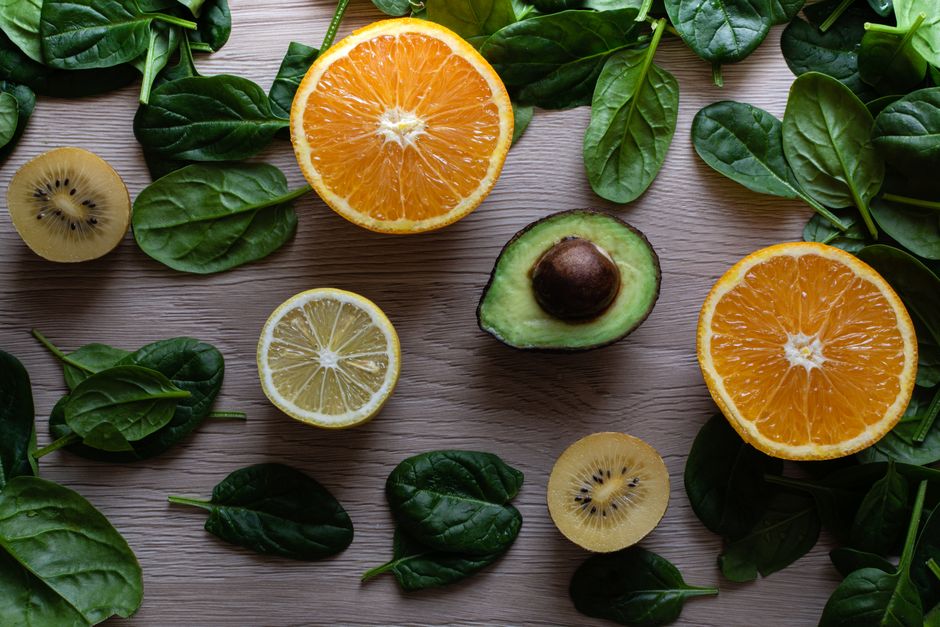
Polyphenols are natural compounds found in plant foods. They act as antioxidants and give many fruits and vegetables their rich colors. Hundreds of foods contain them, but some sources are far more concentrated than others. Berries, dark chocolate, coffee, tea, herbs, and spices top the list. Adding a variety of these foods to your daily meals is the most reliable way to get a steady supply.
What Foods Have Polyphenols?
Polyphenols are not rare. They appear in almost every plant-based food. The most concentrated sources are brightly colored fruits, certain vegetables, whole grains, legumes, nuts, seeds, and beverages like coffee and tea. Culinary herbs and spices are also extremely dense sources, even though you eat them in small amounts.
The key is variety. Different plant foods contain different types of polyphenols. Each type behaves somewhat differently in the body. Eating a wide range of plant foods ensures you are not relying on just one compound.
Top Fruits and Vegetables for Polyphenols
Berries are the most concentrated fruit source. Blueberries, blackberries, raspberries, and strawberries all contain high amounts. Dark cherries and red grapes are also strong options. One note on grapes: the polyphenols are concentrated in the skin. Red and purple grapes contain far more than green or white varieties.
Vegetables with deep colors tend to be highest. Red onions, spinach, artichokes, and broccoli are reliable sources. Artichokes are particularly high, though they are less commonly eaten than other vegetables. Olive oil is another significant source, especially extra virgin olive oil, which retains more polyphenols than refined oils.
Beverages That Deliver Polyphenols
Coffee and tea are the most common sources of polyphenols in many diets. For most adults, these beverages contribute more polyphenols than any single food. Green tea and black tea both contain catechins and theaflavins. Coffee contains chlorogenic acid, a polyphenol that has been studied for its effects on blood sugar regulation.
Red wine contains resveratrol and other polyphenols from grape skins. The alcohol in wine is not health-promoting, so this is not a reason to start drinking. If you already drink alcohol, red wine offers more polyphenols than beer or spirits. Grape juice and pomegranate juice are non-alcoholic alternatives, but they are also high in sugar.





Nuts, Seeds, and Legumes
Nuts and seeds are dependable sources. Walnuts, pecans, and almonds are among the highest. Flaxseeds and chestnuts also contain notable amounts. Legumes, including beans, lentils, and chickpeas, provide polyphenols along with fiber and protein. Black beans and kidney beans are particularly good choices.
Soy products deserve special mention. Tofu, tempeh, and edamame contain isoflavones, a specific class of polyphenols. Isoflavones have been studied for their effects on hormone-related conditions, though results are mixed. Soy remains a healthy protein source regardless of these debates.
Herbs, Spices, and Other Concentrated Sources
Herbs and spices are the most concentrated polyphenol sources by weight. Cloves, peppermint, star anise, oregano, and rosemary are exceptionally high. You only need small amounts to add meaningful polyphenols to a meal. Dried herbs are often more concentrated than fresh because water has been removed.
Dark chocolate and cocoa powder are also concentrated sources. The polyphenol content depends on the cocoa content. Chocolate with 70% cocoa or higher contains significantly more than milk chocolate. Cocoa powder is a flexible option for smoothies and baking. One caution: chocolate is also high in calories and often contains added sugar, so portion size matters.
How Much Do You Need?
There is no official daily requirement for polyphenols. Unlike vitamins and minerals, no government agency has established a recommended daily intake. Research suggests that total intake varies widely between individuals. Some estimates place average intake at several hundred milligrams per day, but these numbers depend heavily on diet composition.
Most researchers agree that a diet rich in plant foods naturally provides adequate polyphenols. The evidence for health benefits comes from dietary patterns, not from supplements. The Mediterranean diet, which is high in fruits, vegetables, olive oil, and red wine in moderation, is associated with lower rates of chronic disease. Polyphenols are one component of this dietary pattern, but they are not the only one.
Do Polyphenol Supplements Work?
Supplements are a different story. The evidence for polyphenol supplements is weak. Studies on isolated polyphenols in supplement form have produced inconsistent results. Some research suggests that isolated compounds do not behave the same way in the body as they do when consumed within whole foods.
There are several reasons for this. Polyphenols in food often work together with other compounds. They may also be absorbed differently depending on the food matrix. One specific concern is that high-dose supplements can have unintended effects. For example, some polyphenols can interfere with iron absorption when taken in large amounts. No clinical guidelines currently exist for polyphenol supplement dosing.
How to Add More Polyphenols to Your Diet
Practical changes make the biggest difference. Start with breakfast. Add berries to oatmeal or yogurt. Drink coffee or tea instead of sugary beverages. Use spices when cooking. Choose extra virgin olive oil for salads and low-heat cooking. Snack on a handful of walnuts or almonds rather than processed snacks.
These changes do not require a complete diet overhaul. Small consistent additions are more sustainable than dramatic changes. A diet that includes a variety of colorful plant foods at most meals will naturally be rich in polyphenols.
Frequently Asked Questions
What is the highest polyphenol food?
Cloves are the most concentrated source of polyphenols by weight. Berries, dark chocolate, and herbs like peppermint and oregano are also extremely high.
Are polyphenols destroyed by cooking?
Some are lost during cooking, but the amount varies by food and method. Boiling tends to leach polyphenols into the water, while steaming and roasting preserve more.
Can you get polyphenols from supplements?
Supplements exist, but the evidence for their benefits is weak. Whole foods are the more reliable source because polyphenols in food may be absorbed differently than isolated compounds.
Do polyphenols help with weight loss?
No reliable evidence shows that polyphenols cause weight loss. Foods rich in polyphenols are often healthy and low in calories, which may support weight management, but the polyphenols themselves are not a weight loss agent.
