
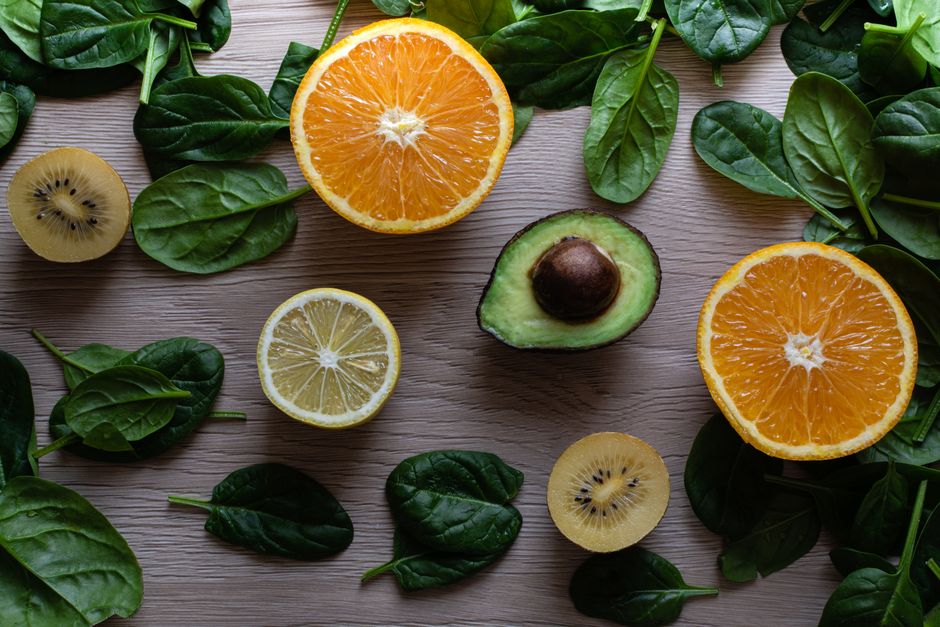
Electrolytes are minerals that carry an electric charge when dissolved in body fluids. The main ones are sodium, potassium, chloride, calcium, magnesium, and phosphate. You get them from everyday foods: sodium from salt and processed foods, potassium from bananas, potatoes, beans, and leafy greens, calcium from dairy and fortified plant milks, and magnesium from nuts, seeds, and whole grains.
Most people get enough electrolytes from normal meals without sports drinks or supplements. The exceptions matter: heavy sweating, prolonged exercise, illness with vomiting or diarrhea, and some medications can shift the balance. Knowing which foods supply which mineral is the practical starting point.
What Foods Have Electrolytes? Top Sources By Mineral
Each electrolyte has its own set of reliable food sources. Some foods cover several at once. Dairy, for example, supplies calcium, potassium, sodium, and phosphate together.
Here is a breakdown by mineral, with the foods that carry the most meaningful amounts.
Sodium
Sodium is the electrolyte people think about least and consume most. The body needs it for fluid balance and nerve signaling. The problem for most Americans is excess, not shortage.
Top sources in the typical diet:
- Table salt and soy sauce
- Canned soups, broths, and processed meats
- Cheese, especially hard aged varieties
- Bread and rolls (a major hidden source)
- Pickled foods and olives
- Salty snacks and crackers
Whole, unprocessed foods are naturally low in sodium. That is why a diet built around fresh foods tends to run low on sodium and high on potassium — the opposite of the typical American pattern.
Potassium
Potassium sits inside your cells and works opposite sodium to regulate blood pressure and muscle contractions. Most people fall short of recommended intake.
Strong food sources include:
- Potatoes and sweet potatoes, with skin
- Bananas and oranges
- Beans, lentils, and white beans
- Spinach, Swiss chard, and beet greens
- Avocados
- Tomatoes and tomato products
- Yogurt and milk
- Salmon and other fish
A medium baked potato with skin delivers more potassium than a banana. That surprises many people, but it is well documented in USDA nutrient data.
Calcium
Calcium supports bone structure, muscle function, and nerve transmission. Dairy is the best-known source, but it is not the only one.
- Milk, yogurt, and cheese
- Fortified plant milks and tofu made with calcium sulfate
- Canned sardines and salmon with bones
- Collard greens, kale, and bok choy
- Almonds
Plant sources vary in how well the body absorbs the calcium. Oxalates in spinach, for example, block much of its calcium from being used. Low-oxalate greens like kale and bok choy are absorbed well.
Magnesium
Magnesium participates in hundreds of enzyme reactions, including energy production and muscle relaxation. It is found widely in plant foods.
- Pumpkin seeds, almonds, and cashews
- Spinach and other leafy greens
- Black beans and lentils
- Whole grains and brown rice
- Dark chocolate
- Avocados
Chloride and Phosphate
Chloride mostly comes bundled with sodium as table salt. Phosphate is abundant in dairy, meat, fish, eggs, nuts, and whole grains. True deficiencies of either are uncommon in healthy people eating regular meals.
Do You Need Sports Drinks For Electrolytes?
For most everyday activity, no. Water and normal meals cover your needs.
Sports drinks make sense in specific situations: intense exercise lasting more than about an hour, heavy sweating in hot weather, or prolonged physical work. In those cases, replacing sodium and fluid together helps. The research on hydration and performance supports this for endurance athletes and people sweating heavily.
For a 30-minute walk or a moderate gym session, a sports drink mostly adds sugar and sodium you do not need. Plain water is sufficient.
One clarification worth making: electrolyte drinks and “energy drinks” are not the same thing. Energy drinks often contain high caffeine and added stimulants. They are not designed for hydration and should not be treated as electrolyte replacements.
Which Foods Have The Most Electrolytes All At Once?
Some foods deliver several electrolytes in one serving. These are efficient choices if you want broad coverage without planning each mineral separately.
- Milk and yogurt — calcium, potassium, phosphate, and some sodium
- Bananas — potassium and modest magnesium
- Avocados — potassium, magnesium, and some calcium
- Leafy greens — potassium, magnesium, and calcium (absorption varies)
- Beans and lentils — potassium, magnesium, and phosphate
- Nuts and seeds — magnesium, potassium, and calcium
- Coconut water — potassium, with smaller amounts of sodium and magnesium
A meal combining beans, greens, and a dairy or fortified alternative covers most of the major electrolytes in one sitting. That is a more balanced approach than chasing single minerals.





How Much Of Each Electrolyte Do You Actually Need?
Official intake recommendations exist for several electrolytes, though not all. Here is what established guidance covers.
| Electrolyte | General Adult Guidance | Notes |
|---|---|---|
| Sodium | Less than 2,300 mg per day | Adequate intake is around 1,500 mg; most Americans exceed the upper limit |
| Potassium | About 3,400 mg per day for men, 2,600 mg for women | Most people fall short |
| Calcium | 1,000 mg per day (1,200 mg for women over 50 and men over 70) | Varies by age and sex |
| Magnesium | Roughly 400–420 mg per day for men, 310–320 mg for women | Varies by age |
These figures come from established dietary reference intakes. They describe general adult populations, not individuals with medical conditions. People with kidney disease, heart failure, or those taking certain medications may need different amounts, and that should be managed with a clinician.
No clinical guidelines currently set separate electrolyte food targets for infants or young children beyond general age-based dietary references. Those needs are best discussed with a pediatric provider.
When Do Electrolyte Imbalances Actually Happen?
True electrolyte problems are usually caused by fluid loss or a medical condition, not by skipping a banana.
Common triggers include:
- Vomiting or diarrhea, which lose sodium, potassium, and chloride
- Heavy sweating during heat exposure or endurance exercise
- Diuretic medications, which increase sodium and potassium loss
- Kidney disorders that impair the body’s ability to balance minerals
- Some hormonal conditions affecting sodium and potassium regulation
Symptoms depend on which electrolyte is off. Muscle cramps, weakness, fatigue, confusion, and irregular heartbeat can all occur. Severe imbalances are medical emergencies. Oral rehydration solutions are designed specifically for diarrhea-related losses and have an evidence base for that use — they are not the same as sports drinks, which are formulated differently.
Self-treating a suspected imbalance with supplements is risky. Potassium supplements in particular can cause dangerous heart rhythm problems if taken in excess, especially in people with kidney issues. That is a case where food sources are safer than pills for most people.
Are Electrolyte Supplements And Powders Worth It?
For most healthy adults eating a varied diet, the evidence does not support routine electrolyte supplementation. Food covers the need.
Supplements may have a role in specific situations — endurance athletes, people with heavy occupational sweating, or those advised by a clinician after lab testing. The marketing around electrolyte powders often outpaces the evidence. Many products contain modest amounts of minerals alongside sugar or sweeteners, and no large trials show they improve everyday health outcomes in people who are not depleted.
If you are considering supplements for a medical reason, lab testing and clinical guidance are the sensible route. Guessing at a deficiency is not reliable.
Frequently Asked Questions
What foods have the most electrolytes?
Foods that combine several minerals at once are the most efficient — milk, yogurt, beans, leafy greens, avocados, and nuts. No single food covers every electrolyte, so variety matters more than any one item.
Is banana or potato better for potassium?
A medium baked potato with skin contains more potassium than a medium banana. Both are good sources, and the potato edges ahead based on USDA nutrient data.
Do I need sports drinks if I exercise?
For most moderate exercise under about an hour, water and normal meals are enough. Sports drinks are more useful for prolonged or intense sweating, where sodium and fluid replacement together matter.
Can you get too many electrolytes from food?
Sodium excess from processed foods is common and linked to higher blood pressure. Potassium, calcium, and magnesium from food are generally well regulated by healthy kidneys, though people with kidney disease should follow medical advice.
