
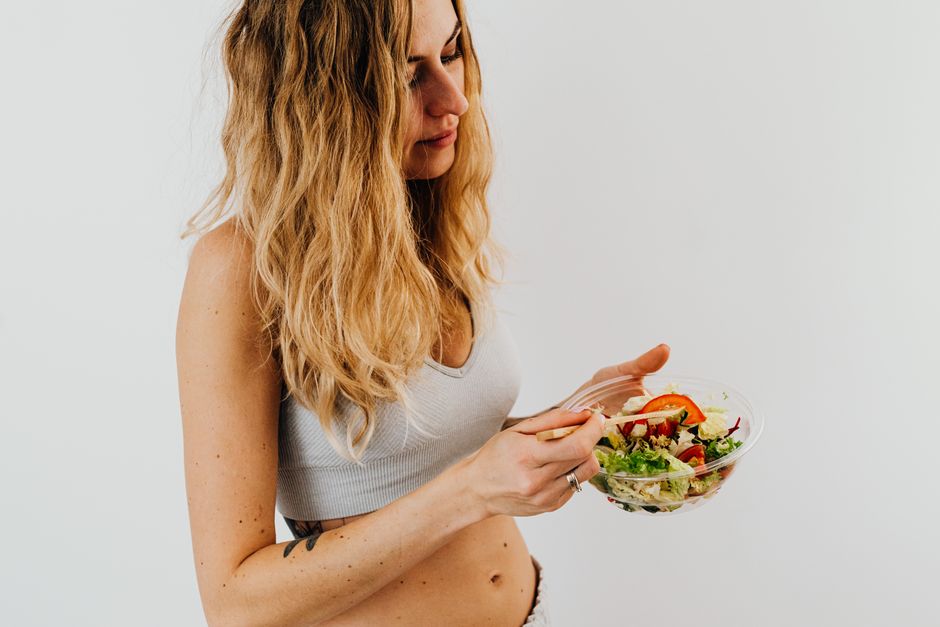
Your hair grows from countless strands that need a steady supply of protein and zinc — along with several other vitamins and minerals. Without enough of these nutrients, hair can thin, shed more than normal, or stop growing at a healthy rate. The best foods for hair growth include eggs, salmon, nuts, seeds, legumes, and leafy greens. These provide the building blocks your hair follicles need: protein, zinc, iron, and vitamin D.
Which Protein Foods Help Hair Growth?
Hair is made almost entirely of a protein called keratin. Your body needs dietary protein to produce keratin and keep hair strong. Without enough protein, hair growth slows and strands become brittle.
Eggs are one of the most concentrated sources. They contain high-quality protein and biotin, a B vitamin involved in keratin production. Eating whole eggs provides both protein and biotin together, which supports hair structure.
Poultry like chicken and turkey supplies lean protein with minimal saturated fat. Salmon and other fatty fish provide protein plus omega-3 fatty acids, which may help nourish hair follicles. Research shows omega-3s support scalp health, but the direct effect on hair growth is not fully proven.
Plant sources such as lentils, chickpeas, beans, and tofu also deliver protein. Vegans and vegetarians need to combine different plant proteins — like beans with rice — to ensure they get all essential amino acids. Soy products such as edamame and tempeh are complete proteins on their own.
Greek yogurt and cottage cheese are dairy options rich in protein. They also contain vitamin B5, which some studies associate with healthier hair. However, the evidence for B5 specifically is limited and not definitive.
What Zinc-Rich Foods Are Best for Hair?
Zinc is a trace mineral that helps hair follicles function properly. It supports cell division and tissue repair, both necessary for hair growth. Severe zinc deficiency is a known cause of telogen effluvium, a condition where hair sheds after stress or nutritional shortage.
Oysters have the highest zinc content of any food. A single oyster provides several times the daily recommended intake. Some research suggests that oysters can help people with alopecia areata who have low zinc levels, but this is not a standard treatment.
Beef and lamb are reliable sources of absorbable zinc. Red meat also provides iron and protein. People who eat red meat should limit portions to reduce saturated fat intake, not because zinc is harmful.
Pumpkin seeds, sesame seeds, and hemp seeds are excellent plant-based zinc sources. Pumpkin seeds in particular offer about 2.2 mg of zinc per ounce. That is roughly 15% of the daily value for an average adult.
Chickpeas and lentils also contain zinc, but the mineral is less absorbable from plants due to phytates. Soaking legumes before cooking reduces phytates and improves zinc absorption.
What Foods Grow Your Hair From Protein To Zinc?
The list of foods that provide both protein and zinc is shorter than you might think. Many protein-rich foods also happen to be good zinc sources. The overlap foods are especially useful for hair health.
- Eggs. One large egg contains about 6 grams of protein and 0.6 mg of zinc. Not a huge zinc amount, but eggs are a complete protein and easy to add to meals.
- Beef. A 3-ounce serving of lean beef gives you about 22 grams of protein and 5.2 mg of zinc. That is nearly half the daily zinc need for men and over half for women.
- Lamb. Similar to beef — around 21 grams of protein and 4.5 mg of zinc per 3 ounces.
- Pumpkin seeds. One ounce provides about 8.5 grams of protein and 2.2 mg of zinc. They are a good plant-based option.
- Chickpeas. One cup cooked provides about 14.5 grams of protein and 2.5 mg of zinc. Pair with whole grains for complete protein.
- Oysters. The zinc champion — just 3 ounces supplies over 70 mg of zinc. Protein content is around 8 grams per 3 ounces.
No single food covers all your hair needs. The best strategy is eating a balanced diet that includes these overlapping sources.
Do Other Nutrients Like Iron and Vitamin D Matter?
Yes. Iron deficiency is one of the most common nutritional causes of hair loss, especially in women. Iron helps red blood cells carry oxygen to hair follicles. Without enough iron, follicles cannot sustain normal growth cycles.
Spinach, kale, and other dark leafy greens provide non-heme iron. Cooking these greens improves iron absorption. Pairing them with vitamin C — like adding lemon juice or eating oranges — increases how much iron your body absorbs.
Red meat and organ meats like liver supply heme iron, which is more easily absorbed. People who eat plant-based diets should be especially careful about iron intake and may need to consider supplements if blood tests show low levels.
Vitamin D plays a role in hair follicle cycling. Some studies have found women with female pattern hair loss have lower vitamin D than women with healthy hair. The evidence is not strong enough to recommend vitamin D solely for hair growth, but maintaining adequate vitamin D is important for overall health.
Biotin, a B vitamin, is often marketed for hair growth. True biotin deficiency is rare and usually only seen in people who eat raw egg whites for long periods. For most people, biotin supplements do not help hair growth. Foods like eggs, nuts, and seeds already provide enough biotin for typical needs.
How Quickly Can Diet Improve Hair Health?
Hair grows slowly — about half an inch per month. When you change your diet, it takes time to see results. You cannot expect visible improvement in a week or two. Many studies show that correcting a nutritional deficiency takes at least three to six months before hair shedding decreases and new growth becomes noticeable.
Hair follicles have a growth cycle: anagen (growth phase), catagen (transition), and telogen (resting). Nutritional changes mainly affect follicles as they enter the growth phase. This means the new hair emerging today reflects your diet from weeks to months ago.
If you have a genuine deficiency, improving your diet can restore normal hair growth within that three- to six-month window. If your diet is already adequate, adding more protein or zinc will not grow hair faster. Hair growth is limited by genetics, not just nutrients.
What Dietary Mistakes Can Harm Hair Growth?
Severely restrictive diets are the biggest risk. Low-calorie diets that eliminate entire food groups often lack protein, zinc, iron, and essential fats. Very low-carb diets can cause temporary hair shedding in some people, possibly due to sudden metabolic shifts or micronutrient gaps.
Excessive vitamin A from supplements is a known cause of hair loss. While food sources like carrots are safe, vitamin A supplements may reach toxic levels. The same caution applies to high-dose selenium and vitamin E supplements.
Processed foods high in sugar and refined carbs contribute to inflammation throughout the body, including the scalp. Chronic inflammation can disrupt the hair growth cycle. The exact link between diet-induced inflammation and hair loss is not fully understood, but avoiding excess sugar is a reasonable step for overall health.
Insufficient calorie intake overall forces the body to direct nutrients away from hair growth toward vital organs. This is noticeable in people with eating disorders or those following very low-calorie weight loss plans.
Do Supplements Work Better Than Food?
Food is almost always better. Whole foods deliver nutrients in combinations that improve absorption and reduce risk of overdose. For example, the zinc from oysters is absorbed more efficiently than zinc from supplements when accompanied by other nutrients in the food matrix.
Supplements can help when a deficiency is confirmed by a blood test. But taking supplements without knowing your levels is unlikely to help and may cause side effects. Excess zinc can interfere with copper absorption, leading to anemia. Excess iron can cause digestive problems and even liver damage in high doses.
The supplement industry markets heavily to people worried about hair loss. Many “hair growth” supplements contain dozens of ingredients often in untested doses. No major clinical study has shown that these combination supplements work better than a balanced diet for people without a diagnosed deficiency.
If you suspect a deficiency, ask your doctor to test for serum ferritin (iron stores), zinc, and vitamin D. That way you only take what your body actually needs.
Frequently Asked Questions
Can eating more protein make my hair grow faster?
If you are not deficient, extra protein will not speed up hair growth. Hair grows at a genetically determined rate of about half an inch per month. Only a protein deficiency slows that rate, and correcting it restores normal growth, not faster growth.
What are the best vegetarian foods for hair growth?
Lentils, chickpeas, pumpkin seeds, almonds, and quinoa provide protein and zinc. Spinach and kale offer iron. Pair these foods with vitamin C sources like bell peppers or citrus to improve mineral absorption.
How much zinc do I need daily for healthy hair?
Adult women need about 8 mg per day; adult men need about 11 mg. These are the recommended dietary allowances for general health, not specifically for hair. Most people can meet this with diet alone.
Is it true that biotin helps hair grow?
Biotin helps only if you are truly deficient, which is rare for most people eating a normal diet. Eggs, nuts, and seeds already provide plenty of biotin. Supplements do not boost hair growth in people with adequate biotin levels.
