
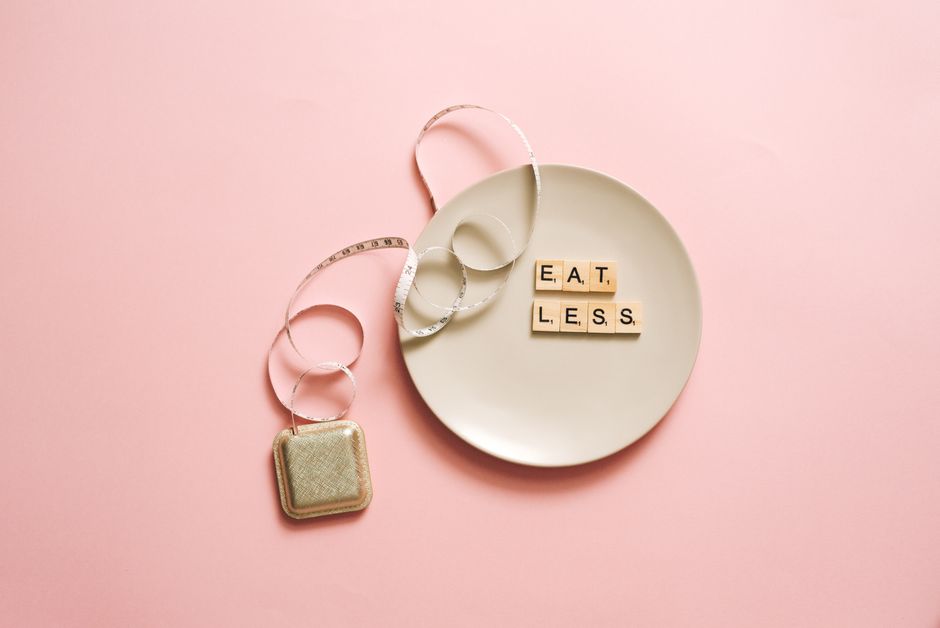
No single food burns fat or melts pounds. The foods that encourage weight loss are the ones that help you feel full on fewer calories, keep your blood sugar steadier, and make it easier to eat less without feeling deprived. That mostly means whole foods with fiber, protein, and water built in — vegetables, fruit, beans, whole grains, lean proteins, and fish — eaten in place of highly processed foods that are easy to overeat.
That is the honest summary. There is no shortcut, and no food overrides a calorie surplus. But the composition of your plate does change how hungry you feel, how much you eat, and how sustainable the effort is over months rather than days.
What foods encourage weight loss most effectively?
Foods with high water and fiber content and low calorie density do the most work. Calorie density is the number of calories per gram of food. Vegetables, fruit, and cooked grains carry a lot of water and fiber, so a large portion delivers relatively few calories while filling the stomach. Research going back decades, much of it associated with Barbara Rolls and colleagues, has consistently found that people eat a fairly similar weight of food day to day. When that weight is made up of low-calorie-density foods, total calorie intake tends to fall without deliberate restriction.
Protein plays a separate role. Protein is the most satiating of the three macronutrients, and some studies suggest it helps preserve lean muscle during weight loss — which matters because muscle burns more calories at rest than fat does. Fiber slows digestion and affects appetite signaling. Neither is a magic lever, but both make hunger easier to manage.
The practical list looks like this:
- Non-starchy vegetables — broccoli, spinach, peppers, zucchini, cauliflower, leafy greens. Very low calorie density, high fiber, high volume.
- Beans and lentils — protein and fiber in one package, and among the most filling foods per calorie in the research literature.
- Whole fruits — apples, berries, oranges, pears. The fiber and water content make them far more filling than juice.
- Lean proteins — chicken, turkey, fish, eggs, tofu, Greek yogurt.
- Whole grains — oats, barley, quinoa, brown rice. More fiber and slower digestion than refined versions.
- Nuts and seeds — calorie-dense, so portion matters, but associated with better appetite control and good cardiovascular outcomes in large observational studies.
- Soup and broth-based dishes — water-rich, high volume, and shown in feeding studies to reduce later calorie intake.
Why do high-fiber foods help with weight loss?
Fiber adds bulk, slows stomach emptying, and feeds gut bacteria that produce short-chain fatty acids involved in appetite signaling. It also takes longer to chew, which gives your body more time to register fullness. The effect is real but modest — fiber is a helper, not a solution on its own.
Most adults in the US eat well below the recommended fiber intake. General dietary guidance puts the target around 25 to 30 grams per day for adults, though individual needs vary. Getting there from food rather than supplements is the better-supported approach. Beans, lentils, oats, barley, berries, pears, and leafy greens are efficient sources.
One non-obvious point: increasing fiber quickly can cause bloating and gas. Ramp up over a few weeks and drink enough water. This is a comfort issue, not a safety one for most people, but it derails a lot of good intentions.
Does protein help you lose weight?
Protein supports weight loss in two ways that are well established. First, it is more satiating per calorie than carbohydrate or fat, so meals built around it tend to leave you fuller longer. Second, adequate protein intake helps preserve lean mass during a calorie deficit. Losing muscle alongside fat is common during aggressive dieting, and it works against you over time.
What protein does not do is override calorie balance. Eating more protein than you need does not accelerate fat loss. The benefit comes from replacing something else on the plate — swapping a refined-carb snack for Greek yogurt, or building a meal around fish instead of a large portion of pasta.
Good sources include chicken, turkey, fish, eggs, Greek yogurt, cottage cheese, tofu, tempeh, lentils, and beans. Protein powders are convenient but not superior to whole foods. No clinical guidelines set a specific protein target for weight loss in the general adult population, and needs differ for older adults, athletes, and people with kidney disease. If you have a medical condition affecting protein metabolism, talk to your doctor before increasing intake.
Are there foods that boost metabolism or burn fat?
No food meaningfully increases metabolic rate in a way that produces weight loss. This is one of the most persistent myths in diet marketing, and it deserves a direct answer.
Caffeine and capsaicin (the compound in chili peppers) produce small, short-lived increases in energy expenditure. The effect is too small and too brief to matter for body weight. Green tea, apple cider vinegar, grapefruit, and “fat-burning” supplements have been studied, and none has demonstrated clinically meaningful weight loss in well-controlled trials. Some supplement claims are not just unproven — they carry real risk, including liver injury and interactions with medications.
Marketing language like “supports metabolism” or “helps burn fat” is not a regulated health claim. It does not require evidence. If a product promises fast results without changing what you eat, that is a signal to be skeptical, not curious.
How do processed foods work against weight loss?
Ultra-processed foods are engineered to be easy to chew, calorie-dense, and highly palatable. They tend to be eaten faster and in larger amounts. A widely cited controlled feeding trial published in Cell Metabolism in 2019 found that participants ate significantly more calories on an ultra-processed diet than on an unprocessed diet, even when the meals were matched for calories, sugar, fat, and fiber on paper. They gained weight on the ultra-processed diet and lost weight on the unprocessed one over the short study period.
This does not mean you must eliminate all packaged food. It means the balance matters. Replacing some processed staples with whole-food versions — rolled oats instead of sweetened cereal, whole fruit instead of fruit snacks, beans instead of processed meat — shifts the ratio in your favor without requiring a total overhaul.
Liquid calories deserve a specific mention. Sugary drinks and juice deliver calories with little satiety. Swapping them for water or unsweetened beverages is one of the more reliable single changes people can make.
What does a weight-loss plate actually look like?
A practical plate is roughly half vegetables, a quarter protein, and a quarter whole grains or starchy vegetables, with a modest amount of healthy fat. This is a general template, not a prescription, and it does not require counting anything. It works because it fills the plate with low-calorie-density food and anchors it with protein.
A few examples:
- Grilled chicken with roasted broccoli and a small portion of quinoa.
- Lentil soup with a side salad and a slice of whole-grain bread.
- Baked fish with green beans and barley.
- Greek yogurt with berries and a small handful of nuts for breakfast.
Portion size still matters, even with healthy foods. Olive oil, nuts, nut butters, avocado, and cheese are nutritious but calorie-dense. A handful of nuts is a snack; a bowl is a meal’s worth of calories. This is not a reason to avoid them — it is a reason to pay attention.
What about meal timing, snacking, and fasting?
The evidence on meal timing is mixed. Some studies suggest that eating more of your calories earlier in the day is associated with better weight outcomes, but the effect is modest and the research is not consistent enough to make it a firm recommendation. Intermittent fasting produces similar weight loss to standard calorie restriction in most head-to-head trials. It works for some people because it simplifies eating, not because it changes anything fundamental about metabolism.
Snacking is not inherently bad. It becomes a problem when snacks are processed, calorie-dense, and eaten out of habit rather than hunger. If you snack, build it around protein or fiber — fruit with a small amount of nuts, vegetables with hummus, plain yogurt.
What matters more than timing is total intake and consistency. A pattern you can follow for a year beats an optimal plan you abandon in three weeks.
Do you need to count calories?
Not necessarily. Calorie counting works for some people because it creates awareness. It fails for others because it becomes obsessive or unsustainable. The underlying principle — that weight loss requires a calorie deficit — is well established. How you get there is a matter of preference and what you can maintain.
Food quality matters alongside quantity. Two diets with the same calories can produce different hunger levels, different adherence, and different effects on cardiometabolic markers. That is why the composition of your plate is worth attention even though calories still count.
If you have a medical condition, take medications that affect weight, are pregnant or breastfeeding, or have a history of an eating disorder, work with a clinician rather than following general guidance. No clinical guidelines exist for weight-loss diets during pregnancy or breastfeeding, and restriction during those periods should only happen under medical supervision.
Frequently Asked Questions
What is the single best food for weight loss?
There is no single best food — no food burns fat or produces weight loss on its own. Beans, lentils, leafy greens, and plain yogurt are strong choices because they combine high satiety with low calorie density.
Can you lose weight without cutting calories?
No. Weight loss requires a calorie deficit, whether you count calories or not. Eating more low-calorie-density foods makes that deficit easier to reach without feeling hungry.
Do carbs prevent weight loss?
No. Whole-food carbohydrates like oats, beans, and fruit support weight loss because of their fiber and water content. Refined carbs and sugary drinks are the ones linked to overeating.
How fast can you lose weight with diet alone?
General guidance from health organizations suggests a gradual pace of about 1 to 2 pounds per week, though individual results vary widely. Faster loss is harder to sustain and increases the risk of losing lean muscle.
