
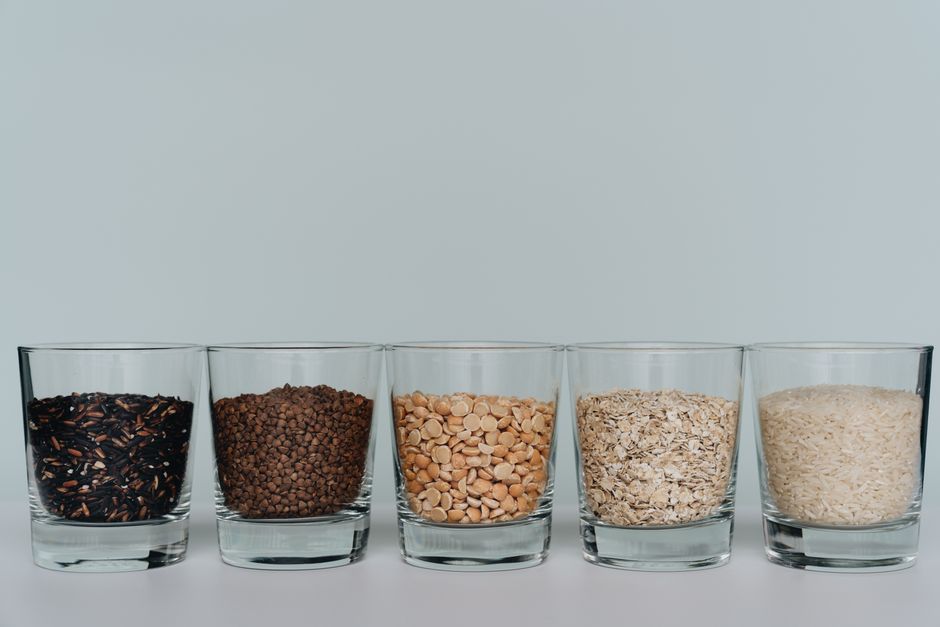
Phosphorus is in almost everything you eat that contains protein, and it is also in many foods that don’t. Dairy products, meat, poultry, fish, eggs, nuts, seeds, legumes, and whole grains are the richest natural sources. It is also added to many packaged foods as a preservative and stabilizer, which is why cola drinks and processed meats can carry more than you might expect.
Phosphorus is the second most abundant mineral in the human body after calcium. About 85% of it sits in your bones and teeth. The rest supports energy production, cell membranes, and the acid-base balance of your blood. Your body regulates phosphorus tightly, so healthy kidneys keep blood levels in a narrow range regardless of day-to-day food choices.
What Foods Contain Phosphorus?
The most concentrated natural sources are animal proteins and dairy. A cup of milk, a serving of salmon, or a chicken breast each delivers a meaningful share of the daily requirement. Plant foods carry phosphorus too, though in a form your body absorbs less efficiently.
Here is a practical breakdown by food group. Values are approximate and drawn from standard USDA nutrient data. Portion sizes vary, so treat these as general ranges rather than precise figures.
| Food | Typical Serving | Approximate Phosphorus |
|---|---|---|
| Milk (2%) | 1 cup | 230 mg |
| Plain yogurt | 1 cup | 245 mg |
| Cheddar cheese | 1 ounce | 145 mg |
| Salmon, cooked | 3 ounces | 250 mg |
| Chicken breast, cooked | 3 ounces | 200 mg |
| Beef, cooked | 3 ounces | 170 mg |
| Egg | 1 large | 95 mg |
| Lentils, cooked | 1 cup | 355 mg |
| Almonds | 1 ounce | 135 mg |
| Sunflower seeds | 1 ounce | 185 mg |
| Whole wheat bread | 1 slice | 55 mg |
| Cola | 12 ounces | 40 mg |
Notice that legumes and seeds compete with meat and dairy. That surprises people who assume phosphorus is mostly an animal-food mineral. It is not.
How Much Phosphorus Do You Need Each Day?
Adults need about 700 mg of phosphorus per day. That is the Recommended Dietary Allowance set by the National Academies, and it applies to both men and women from age 19 onward.
Requirements shift across the lifespan. Children need more during growth, and pregnancy and lactation increase demand modestly. The RDA for pregnant and breastfeeding adults is 1,250 mg per day, and for adolescents aged 14 to 18 it is also 1,250 mg.
Most people in the United States exceed the RDA without trying. A single meal with dairy, meat, and a whole grain can cover most of a day’s requirement. Deficiency from diet alone is rare in healthy people.
Why Do Some Plant Sources Deliver Less Absorbable Phosphorus?
Plants store phosphorus as phytic acid, also called phytate. Humans lack the enzyme needed to break phytate down efficiently, so a portion of the phosphorus in grains, legumes, nuts, and seeds passes through undigested.
This matters for absorption. Phosphorus from animal foods is absorbed at roughly 60% to 70%, while absorption from plant foods is lower, often estimated at around 40% to 50%. The exact figure varies by food and by how it is prepared.
Soaking, sprouting, and fermenting reduce phytate and improve mineral absorption. That is one reason traditional food preparation methods like sourdough fermentation and legume soaking persist across cultures. It is also why a lentil dish may deliver less usable phosphorus than the raw numbers suggest.
For most healthy adults eating a mixed diet, this difference is not clinically meaningful. It becomes relevant for people relying heavily on plant foods while managing kidney disease or other conditions that affect mineral balance.





Which Foods Contain Added Phosphorus?
Added phosphorus is the part of the picture most people miss. Food manufacturers use phosphate salts as emulsifiers, leavening agents, moisture retainers, and acidity regulators. These additives are absorbed more completely than natural phosphorus, often at rates above 90%.
Common sources of added phosphate include:
- Processed and cured meats such as ham, bacon, sausage, and deli slices
- Cola and some other dark sodas, which use phosphoric acid
- Processed cheese and cheese spreads
- Baking powder and self-rising flour
- Many packaged baked goods, instant noodles, and ready meals
- Some sports drinks and flavored waters
- Certain enhanced or “plumped” raw poultry and seafood products
On a food label, added phosphate may appear as phosphoric acid, sodium phosphate, calcium phosphate, or pyrophosphate. The word “phosphate” is your cue.
This is where an honest clarification helps. The concern about added phosphorus is real but specific. It matters most for people with chronic kidney disease, whose kidneys cannot clear excess phosphate efficiently. For healthy people with normal kidney function, the evidence that typical additive intake causes harm is limited and mixed. Some research has raised questions about long-term cardiovascular effects, but no large human trials have confirmed a causal link at usual dietary levels.
Who Needs to Pay Attention to Phosphorus Intake?
People with chronic kidney disease are the group most affected. When kidney function declines, the body struggles to remove excess phosphorus, and blood levels can rise. Over time, this can pull calcium from bone and contribute to vascular calcification.
Clinical guidance for kidney disease typically focuses on limiting added phosphate and sometimes natural phosphorus, guided by blood tests and a clinician. This is not a do-it-yourself adjustment. Phosphorus restriction in kidney disease requires individualized medical supervision, because over-restriction carries its own risks.
Other groups worth noting:
- People with hypophosphatemia, a low blood phosphorus level, may need increased intake, usually under medical care.
- People who take certain antacids containing aluminum can develop low phosphorus with long-term use, because aluminum binds phosphate in the gut.
- People with alcohol use disorder are at higher risk of low phosphorus due to poor intake, impaired absorption, and increased urinary losses.
- Breastfed infants get phosphorus from breast milk in amounts designed for their needs; formula is fortified to match.
No clinical guidelines exist for phosphorus supplementation in the general population, and routine supplementation is not recommended for healthy adults.
How Does Phosphorus Work With Calcium?
Phosphorus and calcium are partners. Together they form hydroxyapatite, the mineral crystal that gives bone its strength. Roughly 85% of the body’s phosphorus and 99% of its calcium reside in bone.
The balance between the two is regulated by parathyroid hormone, vitamin D, and the kidneys. When phosphorus rises, the body adjusts. When calcium falls, it borrows from bone. These systems keep blood levels stable even when diet varies widely.
A widely repeated claim says high phosphorus intake harms bone by pulling calcium out of the skeleton. The evidence here is more nuanced than the claim suggests. In people with normal kidney function, higher dietary phosphorus does not consistently show a negative effect on bone. The picture changes in kidney disease, where impaired phosphate clearance does affect bone and cardiovascular health.
What is well established: adequate intake of both minerals matters, and severe imbalance in either direction causes problems. What is not established: that ordinary dietary phosphorus from food harms bone in healthy adults.
Should You Worry About Getting Too Much Phosphorus?
For healthy adults with normal kidney function, dietary phosphorus from food is unlikely to reach harmful levels. The kidneys adapt by increasing excretion when intake rises.
The upper limit set by the National Academies is 4,000 mg per day for adults aged 19 to 70, and 3,500 mg for adults over 70. This limit applies to phosphorus from supplements and added sources, not from naturally occurring phosphorus in food. That distinction is important and often lost in online discussions.
Reaching the upper limit from food alone is difficult. It would take a deliberate pattern of high-phosphate processed foods, colas, and supplements. Most people land well below it.
Supplements are a different matter. Phosphorus supplements are not common, but some combination products and sports supplements contain phosphate salts. If you take multiple supplements, check the labels for phosphate content.
What About Phosphorus in Drinking Water?
Drinking water contains small amounts of phosphorus, typically well under 1 mg per liter in most municipal supplies. This contributes negligibly to daily intake and is not a meaningful source for most people.
Bottled water and mineral waters vary. Some mineral waters carry slightly more, but the amounts remain small compared with food. Water is not a source worth counting unless a clinician has told you otherwise.
Frequently Asked Questions
What foods are highest in phosphorus?
Dairy products, fish, meat, poultry, legumes, nuts, and seeds are the richest natural sources, with lentils, salmon, and dairy among the highest per serving. Processed foods with added phosphate can also be high.
Are bananas high in phosphorus?
No. A medium banana contains only about 20 mg of phosphorus, which is low compared with dairy, meat, or legumes. Bananas are better known for potassium than for phosphorus.
Is phosphorus bad for you?
Phosphorus is an essential mineral and is not harmful at normal dietary levels in healthy people. The concern centers on added phosphates and on people with kidney disease, whose bodies cannot clear excess phosphorus efficiently.
Do eggs contain phosphorus?
Yes. One large egg provides about 95 mg of phosphorus, mostly in the yolk. Eggs are a moderate source compared with dairy, fish, or legumes.
