
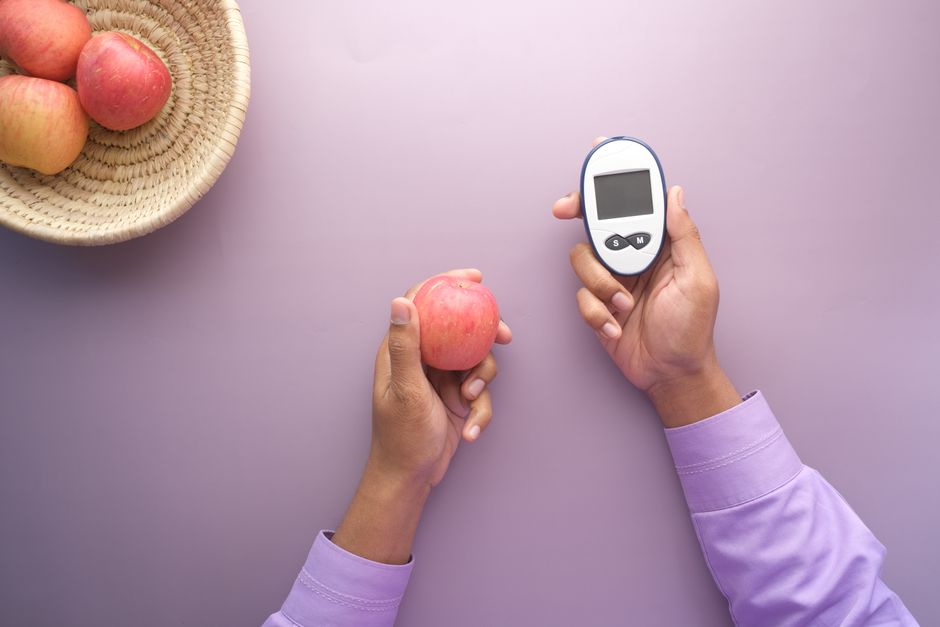
Glucose is the main sugar your body uses for energy. Nearly every carbohydrate you eat eventually becomes glucose in your bloodstream. The direct sources are fruits, honey, and table sugar, but the list goes much further. Starchy vegetables, grains, and even dairy products all contribute glucose to your diet after digestion.
What Foods Contain Glucose Directly?
Some foods contain glucose as a ready-made sugar. You do not need to digest them much for the glucose to enter your blood. These are the most direct sources.
Fruits are the most common natural source. Grapes, bananas, cherries, and watermelon contain notable amounts of free glucose. Dried fruits like raisins and dates are even more concentrated because the water is removed.
Honey is roughly half glucose and half fructose. It enters your bloodstream quickly because it requires almost no digestion.
Table sugar — sucrose — is a molecule made of one glucose and one fructose linked together. Your body splits this bond within minutes of eating it.
Many processed foods contain glucose syrup or corn syrup. These are added sugars that raise blood sugar quickly. Check ingredient lists for the words “glucose,” “dextrose,” or “corn syrup.”
Which Foods Turn Into Glucose After Digestion?
Starches are long chains of glucose molecules. Your digestive system breaks these chains down into individual glucose units. This process is efficient, so starchy foods raise blood sugar almost as fast as pure sugar.
Key starchy foods include:
- White and whole wheat bread
- Rice, both white and brown
- Pasta and noodles
- Potatoes and sweet potatoes
- Corn and corn products
- Oats and breakfast cereals
- Beans, lentils, and peas
The difference between “complex” and “simple” carbohydrates matters less than most people think. Both end up as glucose in your blood. The difference is speed. Starches digest somewhat slower than pure sugar, but the end result is the same.
Do Vegetables Contain Glucose?
Most vegetables contain small amounts of glucose. The amount varies widely by type.
Starchy vegetables like potatoes, corn, and peas contain substantial glucose after digestion. Non-starchy vegetables like spinach, broccoli, and lettuce contain very little. A cup of cooked broccoli provides only about 2 grams of sugar, mostly glucose and fructose.
Carrots and beets sit in the middle. They contain more sugar than leafy greens but far less than fruits. Onions and peppers also contribute small amounts of glucose to your daily intake.
The practical point: non-starchy vegetables are not a meaningful source of glucose. You would need to eat several pounds to match the glucose in a single slice of bread.
What About Dairy Products?
Milk contains a sugar called lactose. Lactose is made of one glucose molecule and one galactose molecule. Your body splits lactose during digestion, so milk does provide glucose.
A cup of cow’s milk contains about 12 grams of lactose. That translates to roughly 6 grams of glucose after digestion. Yogurt and kefir contain similar amounts, though some of the lactose is already fermented into other compounds.
Cheese contains almost no lactose because most of it is removed during processing. Hard cheeses like cheddar contain less than 1 gram of lactose per serving.
People with lactose intolerance lack the enzyme needed to split lactose. For them, milk does not efficiently produce glucose and instead causes digestive symptoms.
How Much Glucose Do You Actually Need?
Your body can make glucose from non-carbohydrate sources when needed. This process is called gluconeogenesis. It happens in the liver and can use amino acids from protein and glycerol from fat.
Because of this, there is no dietary requirement for glucose. The minimum carbohydrate intake needed to avoid health problems is essentially zero for most adults. Your brain needs glucose, but your liver can produce it from protein.
That said, carbohydrates are the preferred fuel source for high-intensity exercise. Athletes and active people typically perform better with adequate carbohydrate intake. The Dietary Guidelines for Americans suggest that 45 to 65 percent of daily calories come from carbohydrates, but this is a population-level recommendation, not a strict requirement for every individual.
Which Glucose Sources Are Healthier Than Others?
The source of glucose matters more than the glucose itself. Glucose is glucose. Your body processes it the same way regardless of whether it came from an apple or a soda.
What differs is what else comes with the glucose. Whole fruits bring fiber, vitamins, and antioxidants. The fiber slows digestion and blunts the blood sugar spike. Vegetables provide nutrients with minimal glucose impact.
Refined sugars and syrups bring nothing but calories. They digest rapidly and spike blood sugar quickly. Over time, frequent large spikes contribute to insulin resistance and type 2 diabetes risk.
Research consistently shows that diets high in added sugar are linked to worse metabolic health. Diets high in whole fruits and vegetables are linked to better outcomes. The glucose is the same; the package around it is not.
Does the Glycemic Index Tell You Which Foods to Choose?
The glycemic index ranks foods by how quickly they raise blood sugar compared to pure glucose. Pure glucose scores 100. Foods that digest slowly score lower.
This tool has real value, but it has limits. The glycemic index is measured on single foods eaten alone after fasting. Real meals contain protein, fat, and fiber, all of which slow digestion. A baked potato eaten with chicken and vegetables produces a much smaller blood sugar response than a potato eaten alone.
Glycemic load adjusts the index for portion size. It gives a more realistic picture of how a typical serving affects blood sugar. Both tools are useful for people managing diabetes, but neither is a complete guide to healthy eating.
Some research suggests that low-glycemic diets help with blood sugar control in people with diabetes. The evidence for weight loss benefits is mixed. Results vary from study to study, and individual responses to the same food can differ substantially.
How Can You Tell How Much Glucose Is in Packaged Food?
The Nutrition Facts label lists “Total Sugars” and “Added Sugars.” Neither number tells you exactly how much glucose is present, because the label groups all sugars together.
Total sugars include glucose, fructose, sucrose, lactose, and maltose. To estimate glucose content, you need to know the source. Honey and fruit juices are roughly half glucose. Table sugar is exactly half glucose. High-fructose corn syrup is about 45 to 55 percent glucose depending on the formulation.
The ingredient list gives you the best clues. If glucose, dextrose, or corn syrup appears near the top of the list, the product contains meaningful amounts of free glucose. If the sugars come from fruit or milk, the glucose arrives as part of a larger nutritional package.
Does Glucose From Fruit Affect Blood Sugar Differently Than Glucose From Soda?
No. The glucose molecule is identical. Your body cannot tell where it came from.
What differs is the delivery system. Fruit contains fiber, which slows stomach emptying and glucose absorption. Soda contains no fiber, so its glucose enters the bloodstream rapidly.
Fruit also contains water and volume, which means you get fewer grams of sugar per bite. A medium apple has about 19 grams of sugar. A 12-ounce can of soda has about 39 grams. You would need to eat two apples to match the sugar in one soda, and the apples would fill you up long before that.
Portion size is the hidden variable. Glucose is glucose, but the amount you consume in a sitting makes the real difference.
Frequently Asked Questions
Is glucose the same as sugar?
No. Glucose is one specific type of sugar. Table sugar is sucrose, which is half glucose and half fructose. Many foods contain multiple types of sugar.
Are bananas high in glucose?
Bananas contain a mix of glucose, fructose, and sucrose. A medium banana has about 14 grams of sugar total, with roughly 5 to 6 grams coming directly from glucose.
Do eggs contain glucose?
No. Eggs contain protein and fat but essentially no carbohydrates. They do not raise blood sugar and do not provide dietary glucose.
Can your body function without eating glucose?
Yes. Your liver can produce glucose from protein and fat through a process called gluconeogenesis. There is no dietary requirement for glucose for most healthy adults.
