
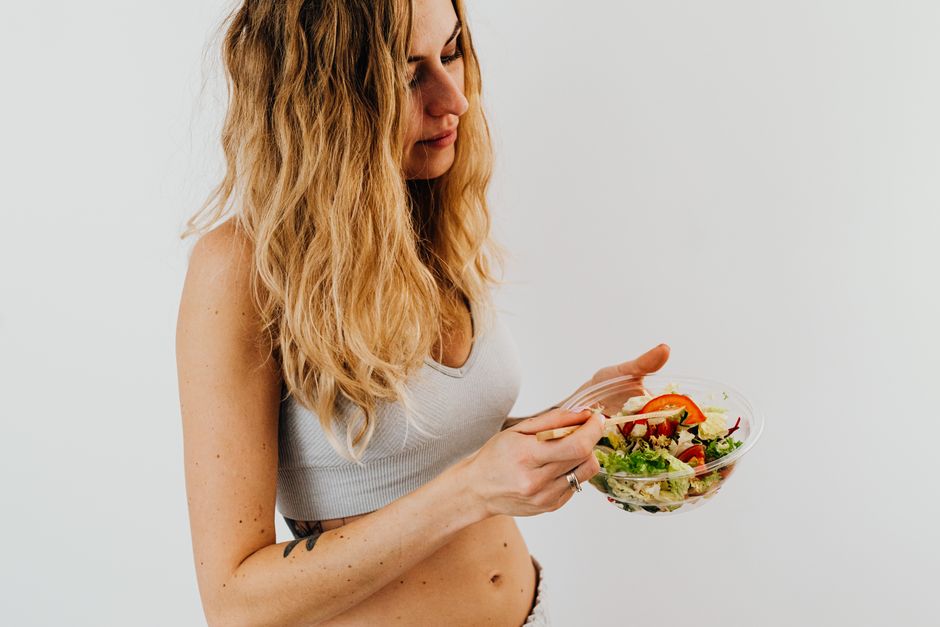
No food makes hair grow faster on its own. Hair is built from protein and fueled by nutrients like iron, zinc, and vitamin D, so what you eat can support normal growth if you are running low on something. If your diet is already adequate, adding “hair foods” will not speed up growth or thicken strands.
That distinction matters, because hair growth is one of the most heavily marketed health topics there is. A shampoo, a gummy, or a superfood smoothie can promise thicker hair while doing nothing measurable. The honest version is less exciting but more useful: food can remove a roadblock, but it cannot override your genetics, your hormones, or the natural speed at which hair grows.
How Does Hair Actually Grow?
Each hair follicle cycles through three phases. The growth phase, called anagen, lasts for years. Then comes a short transition, then a resting phase called telogen, after which the hair sheds and the cycle restarts. At any given time, most of your hair is in the growth phase, which is why you do not shed everything at once.
Scalp hair grows roughly half an inch per month. That rate is set largely by genetics and hormones, not by diet. What diet affects is whether the follicle has the raw materials and energy to keep building hair at its normal pace.
A hair follicle is one of the most metabolically active structures in the body. It divides cells rapidly, which makes it sensitive to shortages. When the body is short on protein, iron, zinc, or certain vitamins, it tends to prioritize vital organs over hair. The result is not faster growth — it is slower growth, thinner strands, or more shedding.
This is why nutrition matters most at the margins. If you are well-nourished, you are already giving your follicles what they need. If you are not, correcting the gap can restore normal growth.
What Foods Cause Hair Growth And Thickness?
There is no single food that causes hair growth. What exists is a set of nutrients that hair structure and the follicle’s growth cycle depend on, and foods that supply them. Getting enough of these supports normal growth; it does not push growth above your genetic baseline.
The nutrients with the clearest link to hair are protein, iron, zinc, vitamin D, and several B vitamins. Here is where they come from and what they do.
- Protein: Hair is mostly a protein called keratin. Eggs, poultry, fish, lean meat, dairy, beans, and lentils supply the amino acids used to build it.
- Iron: Iron helps carry oxygen to rapidly dividing follicle cells. Red meat, poultry, lentils, spinach, and fortified cereals are common sources. Plant iron absorbs better with vitamin C.
- Zinc: Zinc supports tissue growth and repair. Oysters, beef, pumpkin seeds, and lentils are good sources.
- Vitamin D: The body makes vitamin D from sunlight, and it is also found in fatty fish, egg yolks, and fortified foods. Low levels are common, and some research links low vitamin D to hair shedding.
- B vitamins, especially biotin and folate: These help the body process energy and build cells. Biotin deficiency is rare in people eating a varied diet.
Notice what is not on that list: no single “miracle” food. The pattern that supports hair is the same pattern that supports general health — enough protein, enough micronutrients, and enough calories.
Can a Nutrient Deficiency Really Cause Hair Loss?
Yes, and this is the part most “hair food” content gets backwards. The strongest evidence is not that certain foods boost growth, but that certain deficiencies cause shedding or thinning — and correcting them helps.
Iron deficiency is the best-studied example. Low iron stores are associated with a type of diffuse shedding, and it is more common in menstruating women. Some studies suggest that correcting iron deficiency can improve shedding in people who are deficient, though results vary and not everyone with low iron sees a change.
Zinc deficiency can also cause hair loss, and it is more likely in people with certain digestive conditions, restricted diets, or heavy alcohol use. Severe protein deficiency, seen in cases of malnutrition or extreme crash dieting, causes noticeable hair loss because the body cannot spare amino acids for hair.
Biotin gets enormous attention, but true biotin deficiency is uncommon in people eating a varied diet. The evidence that biotin supplements help hair in people who are not deficient is weak. Some clinicians still recommend it, but that is common practice rather than a well-supported recommendation.
Here is the non-obvious part: if your diet is already adequate, the most likely reason your hair is thinning is not food at all. It is genetics, hormones, thyroid problems, medication side effects, or a shedding event like illness, surgery, or major stress.

When Food Is Not the Cause of Thinning Hair
Diet is one input among several, and often not the deciding one. If you eat reasonably well and still see thinning, the cause may sit elsewhere.
The most common cause of progressive hair thinning in both men and women is pattern hair loss, driven by genetics and hormones. It has nothing to do with diet, and no food will reverse it.
Other common contributors include:
- Thyroid conditions: Both an underactive and overactive thyroid can cause shedding.
- Telogen effluvium: A temporary shedding phase triggered by illness, surgery, major stress, or rapid weight loss. It usually appears a few months after the trigger.
- Medications: Some prescriptions list hair loss as a side effect.
- Hormonal shifts: Pregnancy, menopause, and conditions like polycystic ovary syndrome can all affect hair.
- Traction and styling: Tight hairstyles and harsh chemical treatments can damage follicles over time.
This is why a food-first approach has limits. If the underlying cause is hormonal or genetic, dietary changes will not fix it, no matter how nutrient-dense the meals are.
Do Supplements Help More Than Food?
For most well-nourished people, hair supplements do not produce measurable growth. The evidence is strongest for correcting a diagnosed deficiency, not for topping up an already normal level.
When a deficiency is confirmed, a clinician may recommend a specific supplement and dose. That is a medical decision based on your labs, not a general rule. The doses used to treat a deficiency are often higher than what a standard multivitamin provides, and taking high doses without a deficiency can cause problems.
Two cautions are worth knowing. First, high-dose biotin can interfere with certain lab tests, including some thyroid and heart tests, which can lead to misleading results. Second, more is not better with minerals like zinc and iron — excess intake carries real risks.
No clinical guidelines currently recommend routine hair-growth supplements for the general population. If you suspect a deficiency, testing is more useful than guessing.
What Eating Pattern Supports Healthy Hair?
The pattern that supports hair is not exotic. It is a varied diet with enough protein and enough total calories, which is the same pattern that supports the rest of your body.
Practical anchors include a protein source at most meals, a range of colorful vegetables and fruits, whole grains, and foods rich in iron and zinc. If you eat little meat, pay attention to plant iron and pair it with vitamin C to improve absorption.
Two habits can work against hair. Severe calorie restriction and crash diets can trigger shedding because the body shifts resources away from hair. Very restrictive diets can also create nutrient gaps over time.
One honest note on timelines. Hair grows slowly, so any change from correcting a deficiency takes months to show, not weeks. If shedding continues for more than a few months, or comes with fatigue, unusual cold sensitivity, or other symptoms, that is a reason to see a clinician rather than adjust your diet further.
Frequently Asked Questions
What foods cause hair growth and thickness?
No single food causes hair growth. Foods rich in protein, iron, zinc, and vitamin D support normal growth if you are short on those nutrients, but they do not push growth above your genetic baseline.
Can a poor diet cause hair loss?
Yes. Deficiencies in iron, zinc, or protein can cause shedding or thinning, and correcting them can help restore normal growth. Severe crash dieting can also trigger temporary hair loss.
Does biotin help hair grow?
Biotin helps only if you are actually deficient, which is uncommon in people eating a varied diet. The evidence that biotin supplements help hair in people who are not deficient is weak.
How long does it take to see hair regrowth from diet changes?
Hair grows slowly, so improvements from correcting a deficiency usually take several months to become visible. If shedding continues beyond a few months, see a clinician to check for other causes.
