
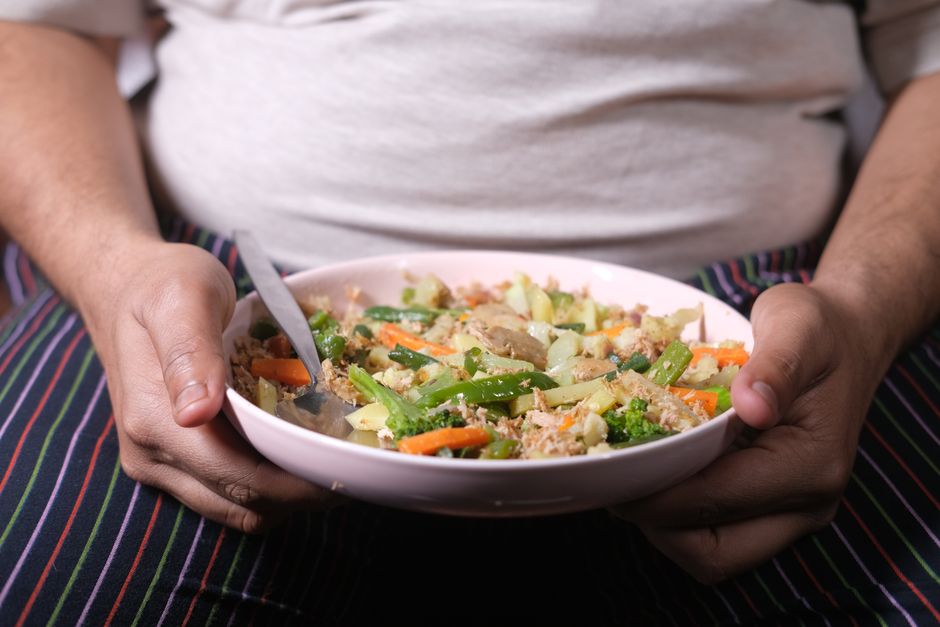
Gas is normal. Everyone produces it, and most people pass gas several times a day. The foods most often behind excess gassiness are beans and lentils, cruciferous vegetables like broccoli and cabbage, onions and garlic, dairy in people who don’t digest lactose well, and foods sweetened with sugar alcohols. Carbonated drinks and high-fiber foods added quickly to the diet are common culprits too. None of these foods are “bad” — they feed gut bacteria, and that process makes gas.
Here’s what actually happens. Most gas comes from two places: swallowed air and bacterial fermentation in the colon. When undigested carbohydrates reach the large intestine, gut bacteria break them down and release gases — mainly hydrogen, carbon dioxide, and sometimes methane. That’s the whole story behind most food-related gas. It’s a normal digestive process, not a sign something is wrong.
What Foods Cause Gassiness?
The foods that cause the most gas share a common trait: they contain carbohydrates that human digestive enzymes can’t fully break down. These are sometimes called fermentable carbohydrates, or FODMAPs. They pass through the small intestine largely intact and become food for colon bacteria.
The main categories:
- Beans and legumes. Beans, lentils, chickpeas, and soybeans contain oligosaccharides — short chains of sugars humans lack the enzyme to digest. This is why beans have a reputation.
- Cruciferous vegetables. Broccoli, cabbage, cauliflower, Brussels sprouts, and kale contain raffinose and other fermentable fibers.
- Onions and garlic. Both are high in fructans, a type of fermentable fiber. They’re among the most common triggers reported by people with irritable bowel syndrome.
- Dairy. Milk, cheese, and ice cream cause gas in people with lactose intolerance, which is very common globally and especially among people of East Asian, African, Hispanic, and Native American descent.
- Sugar alcohols. Sorbitol, mannitol, xylitol, and maltitol — found in sugar-free gum, candy, and some protein bars — are poorly absorbed and ferment in the colon.
- Carbonated drinks. Soda, sparkling water, and beer introduce gas directly into the digestive tract.
- High-fiber foods added suddenly. Whole grains, apples, pears, and dried fruit are healthy but can cause temporary gas when you increase fiber intake quickly.
Wheat is worth a separate mention. It contains fructans, and some people notice gas from bread and pasta even without celiac disease or wheat allergy. This is a real phenomenon, though the mechanism is fermentation, not immune reaction.
Why Do Beans and Broccoli Cause So Much Gas?
Beans and broccoli cause gas for the same basic reason: they contain sugars and fibers your small intestine can’t absorb. The problem isn’t the food — it’s the lack of the right enzyme.
Beans contain oligosaccharides like stachyose and raffinose. Humans don’t produce alpha-galactosidase, the enzyme needed to break these down. So they travel to the colon, where bacteria ferment them and produce gas. Broccoli and cabbage contain similar compounds plus sulfur-containing molecules that give gas its smell.
This is why products like Beano exist — they supply the missing enzyme. Whether they work well varies from person to person. Some people find them helpful; others notice little difference. The evidence for enzyme supplements is modest, and results are individual.
One practical point: cooking methods matter. Soaking beans overnight and discarding the soaking water, then cooking them thoroughly, reduces oligosaccharide content. Canned beans, rinsed well, tend to be easier on the gut than beans cooked from dry. This is a well-established culinary fact, not a cure.
Does Dairy Cause Gas for Everyone?
No. Dairy causes gas only in people who don’t produce enough lactase, the enzyme that breaks down lactose. Lactose intolerance is common but not universal, and the degree varies widely.
Worldwide, most adults have some degree of lactase non-persistence — meaning lactase production declines after childhood. This is the normal human pattern. It’s most common in people of East Asian, West African, Arab, Jewish, Hispanic, and Native American descent, and least common in people of Northern European descent.
Some people with lactose intolerance can still handle small amounts of dairy, especially fermented products like yogurt and hard cheese, which contain less lactose. Others react to even small amounts. There’s no single rule.
Lactose intolerance is not the same as a milk allergy. A milk allergy is an immune reaction to milk protein, can be serious, and is more common in young children. Gas and bloating after dairy are usually intolerance, not allergy.


Are Sugar Alcohols and Carbonated Drinks Really a Problem?
Yes, for many people. Sugar alcohols and carbonated drinks are common but underrecognized causes of gas.
Sugar alcohols — sorbitol, mannitol, xylitol, maltitol, erythritol — are used as low-calorie sweeteners. They’re poorly absorbed in the small intestine, so they ferment in the colon. Sorbitol and mannitol are the most likely to cause gas and bloating; erythritol is generally better tolerated. Products labeled “sugar-free” are a frequent hidden source.
Carbonated drinks work differently. They don’t ferment — they introduce gas directly. Every swallow of a fizzy drink adds carbon dioxide to your stomach. Some of that gas is released as a burp, and some travels down the digestive tract. Sparkling water counts, even though it has no sugar or sweetener.
Chewing gum is a double trigger for some people: it adds swallowed air and often contains sugar alcohols. If you chew gum regularly and notice gas, that’s a reasonable thing to test by stopping for a week or two.
Which Foods Cause Gas and Bloating but Not Everyone Notices?
Gas production is universal. Whether you notice it depends on how much gas you produce, how sensitive your gut is, and how quickly gas moves through your system. Two people can eat the same meal and have very different experiences.
Some foods cause gas that people don’t connect to their diet:
- Apples and pears. High in fructose and sorbitol. Healthy foods that ferment readily.
- Dried fruit. Concentrated fiber and sugar in a small package.
- Onions and garlic in cooked dishes. Easy to overlook because they’re ingredients, not side dishes.
- Protein bars and meal replacement shakes. Often contain sugar alcohols, chicory root fiber, or inulin — all highly fermentable.
- Large portions of fruit juice. Fructose in liquid form is absorbed less efficiently than fructose in whole fruit.
This is where a food and symptom diary helps. Gas that appears a few hours after eating is usually from a meal, not the most recent snack. The timing can mislead you.
Do You Need to Cut These Foods Out?
Usually not. Most gas-causing foods are among the healthiest things you can eat. Beans, vegetables, and whole grains feed beneficial gut bacteria and are linked to lower risk of several chronic diseases. Cutting them out entirely trades a minor inconvenience for real nutritional losses.
There are better approaches:
- Increase fiber gradually. The gut adapts to higher fiber intake over weeks. Sudden jumps cause gas; slow increases usually cause less.
- Soak and rinse beans. Overnight soaking and thorough cooking reduce fermentable sugars.
- Try smaller portions first. Many people tolerate a half-cup of beans better than a full cup.
- Check labels for sugar alcohols. Especially in “sugar-free” and “low-carb” products.
- Consider lactase drops or tablets if dairy is the trigger. These work for many people with lactose intolerance, though not everyone.
Some clinicians recommend a low-FODMAP diet for people with persistent, bothersome gas and bloating, particularly those with irritable bowel syndrome. The evidence for low-FODMAP in IBS is reasonably strong. But it’s a restrictive diet meant to be used short-term and with professional guidance, not as a permanent way of eating. It removes many healthy foods and can affect the gut microbiome if followed long-term.
If gas is severe, painful, or comes with other symptoms — diarrhea, constipation, weight loss, or blood in the stool — that’s a reason to see a doctor. Those symptoms aren’t explained by normal food-related gas and deserve evaluation.
When Is Gas a Sign of Something Else?
Gas alone is almost never a sign of serious disease. But gas with certain other symptoms can point to a condition worth investigating.
Conditions that can cause excess gas or bloating include irritable bowel syndrome, small intestinal bacterial overgrowth, lactose intolerance, celiac disease, and inflammatory bowel disease. Each has other features beyond gas. Celiac disease, for example, typically causes diarrhea, weight loss, fatigue, or anemia alongside digestive symptoms — not gas alone.
Bloating is different from gas. Gas is the actual production of gas; bloating is the sensation of abdominal fullness or visible swelling. They often occur together but aren’t the same thing. Some people with bloating have normal gas production but heightened gut sensitivity.
The practical takeaway: if changing your diet helps and you feel well otherwise, food-related gas is the likely explanation. If symptoms persist despite changes, or if you have warning signs, get it checked.
Frequently Asked Questions
What foods cause the most gassiness?
Beans, lentils, broccoli, cabbage, onions, garlic, and dairy are the most common triggers. Sugar alcohols and carbonated drinks also cause gas in many people.
Why do beans cause so much gas?
Beans contain oligosaccharides that humans can’t digest because we lack the enzyme alpha-galactosidase. These sugars ferment in the colon and produce gas.
Does everyone get gas from dairy?
No. Dairy causes gas only in people who don’t produce enough lactase to break down lactose. This is common worldwide but varies widely by population and individual.
Should I stop eating gas-causing foods?
Usually not. Most of these foods are highly nutritious and feed beneficial gut bacteria. Reducing portions, cooking methods, and gradual fiber increases often help more than elimination.
