
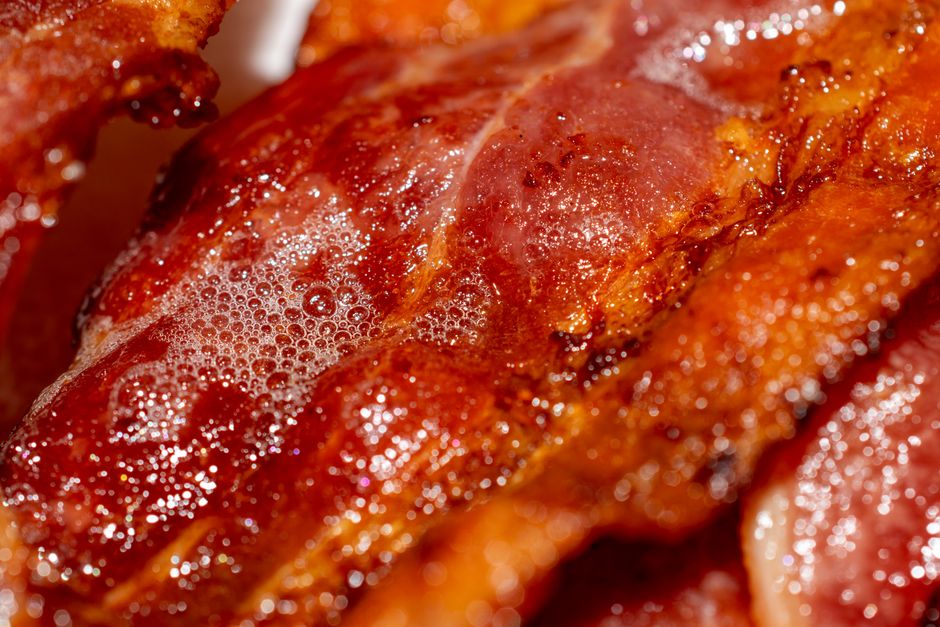
Bad cholesterol, or LDL cholesterol, rises mainly from foods high in saturated fat and trans fat. That means fatty cuts of red meat, full-fat dairy, butter, processed meats like bacon and sausage, fried foods, and commercially baked goods made with partially hydrogenated oils. These fats push the liver to make and retain more LDL, and over time that raises the cholesterol circulating in your blood.
The word “bad” refers to low-density lipoprotein (LDL), a particle that carries cholesterol through your bloodstream. When LDL levels stay high, cholesterol can build up inside artery walls. Food is not the only driver, but diet is one of the most modifiable. Here is what the evidence actually shows about which foods raise LDL, and why the body responds the way it does.
What Foods Cause Bad Cholesterol Levels?
Saturated fat is the single biggest dietary driver of LDL cholesterol for most people. The strongest sources in a typical US diet are red meat, full-fat dairy, butter, and tropical oils like coconut and palm oil. Trans fat, though now largely removed from the US food supply, remains a concern in some imported and restaurant foods.
The main culprits, grouped by category:
- Fatty red meat: beef, lamb, and pork with visible fat, plus ground meat with a high fat percentage.
- Processed meats: bacon, sausage, hot dogs, salami, and cured deli meats.
- Full-fat dairy: butter, cream, whole milk, and cheese eaten in large amounts.
- Tropical oils: coconut oil and palm oil, both high in saturated fat.
- Fried foods: anything deep-fried, especially in reused oil.
- Commercial baked goods: some pastries, cookies, and crackers still contain trans fat or large amounts of saturated fat.
One point that often gets lost: dietary cholesterol itself — the cholesterol found in eggs and shrimp — has a much smaller effect on blood LDL than saturated fat does for most people. The old advice to avoid eggs was based on a reasonable assumption that later turned out to be weaker than expected. Saturated fat is the bigger lever.
Why Does Saturated Fat Raise LDL Cholesterol?
Saturated fat changes how the liver handles cholesterol. The liver is the body’s main cholesterol factory, and it regulates how much LDL circulates in your blood. When saturated fat intake goes up, the liver produces more LDL and clears less of it from the bloodstream.
The mechanism involves LDL receptors on liver cells. These receptors pull LDL out of the blood. Saturated fat appears to reduce receptor activity, so more LDL stays in circulation. This is well established in human feeding studies, though the exact size of the effect varies from person to person.
Genetics matter here. Some people are high responders to saturated fat and see a larger LDL rise. Others respond modestly. Age, weight, physical activity, and existing cholesterol levels all shift the picture. This is why the same diet can produce different numbers in two people.
How Does Trans Fat Affect Cholesterol?
Trans fat raises LDL cholesterol and lowers HDL cholesterol at the same time — a double hit that saturated fat does not produce. That combination is why trans fat has been treated as the most harmful fat for heart health.
In 2015, the US Food and Drug Administration determined that partially hydrogenated oils, the main source of artificial trans fat, were no longer generally recognized as safe. Food manufacturers were required to remove them by 2018, with some extensions. As a result, most packaged foods in the US no longer contain meaningful amounts of artificial trans fat.
Small amounts of naturally occurring trans fat exist in meat and dairy from ruminant animals. These appear to have different effects than industrial trans fat, and the evidence on them is less clear. The main public health concern has been the industrial form.



Does Dietary Cholesterol Matter?
Dietary cholesterol raises blood cholesterol far less than saturated fat does in most people. The body compensates: when you eat more cholesterol, the liver tends to make less. This feedback loop keeps blood levels fairly stable for many people.
That said, the response varies. Some people are cholesterol hyper-responders and do see meaningful LDL increases from dietary cholesterol. For the general population, major health organizations have dropped strict daily cholesterol limits and focused instead on reducing saturated fat.
This does not mean dietary cholesterol is irrelevant. It means the priority for most people is the type of fat, not the cholesterol content of food.
What About Carbohydrates and Sugar?
Refined carbohydrates and added sugar do not raise LDL the way saturated fat does, but they affect blood lipids in other ways. A diet heavy in refined carbs tends to lower HDL cholesterol and raise triglycerides, and it can shift LDL particles toward a smaller, denser form.
Small, dense LDL particles are considered more likely to contribute to artery plaque than larger ones, though the evidence on particle size as an independent risk factor is still debated. The bigger, more consistent finding is that high refined-carb diets worsen the overall lipid profile.
Sugar-sweetened beverages are a clear example. They contribute little saturated fat but a lot of refined carbohydrate, and regular intake is linked to higher triglycerides and lower HDL.
What Foods Help Lower LDL Cholesterol?
Replacing saturated fat with unsaturated fat lowers LDL cholesterol. This is one of the most consistent findings in nutrition research. When people swap butter for olive oil, or fatty meat for fish or legumes, LDL tends to fall.
Foods with good evidence for a favorable effect on LDL include:
- Oats and barley: their soluble fiber beta-glucan binds cholesterol in the gut and increases its excretion.
- Beans and lentils: high in soluble fiber and low in saturated fat.
- Nuts: especially almonds and walnuts, which are rich in unsaturated fat and plant sterols.
- Fatty fish: salmon, mackerel, and sardines, which are low in saturated fat and high in omega-3s.
- Plant oils: olive, canola, and soybean oil, which are high in unsaturated fat.
- Soy foods: tofu and edamame contain plant protein and minimal saturated fat.
Plant sterols and stanols, found naturally in small amounts in vegetable oils, nuts, and seeds, also reduce LDL absorption. Some foods are fortified with them. The effect is real but modest — typically a few percent reduction in LDL — and it works best as part of an overall dietary pattern.
Do These Foods Affect Everyone the Same Way?
No. The LDL response to diet is genuinely individual. Genetics, body weight, physical activity, and existing metabolic conditions all change how much a given food raises or lowers cholesterol.
People with familial hypercholesterolemia, an inherited condition affecting roughly 1 in 250 people, have very high LDL regardless of diet. For them, diet helps but is rarely enough on its own, and medication is usually needed. This is a case where the food conversation is real but incomplete.
For most people, the pattern holds: reducing saturated fat and replacing it with unsaturated fat lowers LDL. The size of the change varies. Some people see a large drop; others see a small one. Neither outcome means the advice is wrong — it means biology is not uniform.
What Is the Bottom Line on Diet and Bad Cholesterol?
Saturated fat and trans fat are the foods that most reliably raise LDL cholesterol. Red meat, full-fat dairy, butter, tropical oils, fried foods, and processed meats are the main sources in a typical diet. Refined carbohydrates and added sugar affect other lipids and matter for overall heart health, but they are not the primary LDL drivers.
The most effective dietary change is substitution, not simple elimination. Swapping saturated fat for unsaturated fat — olive oil for butter, fish for fatty meat, nuts for chips — lowers LDL in most people. Adding soluble fiber from oats, barley, and beans helps too.
Diet is one lever among several. Weight, activity, genetics, and medication all shape cholesterol numbers. No single food determines your LDL, and no single change fixes it. The overall pattern of what you eat, sustained over time, is what the evidence supports.
Frequently Asked Questions
Do eggs raise bad cholesterol?
For most people, eggs have a small effect on LDL cholesterol because dietary cholesterol raises blood cholesterol far less than saturated fat does. People who are cholesterol hyper-responders may see a larger rise and should discuss intake with a clinician.
Is coconut oil bad for cholesterol?
Coconut oil is high in saturated fat and raises LDL cholesterol compared with unsaturated oils like olive or canola oil. Some studies suggest it raises LDL less than butter does, but it is not a low-cholesterol oil.
How fast can diet lower LDL cholesterol?
Dietary changes can begin to affect LDL cholesterol within a few weeks, with most of the change seen over several months. The size of the drop varies widely between people.
Does sugar raise LDL cholesterol?
Sugar does not raise LDL cholesterol the way saturated fat does, but high intake of refined carbohydrates and added sugar is linked to lower HDL cholesterol and higher triglycerides. The overall dietary pattern matters more than any single nutrient.
