
Most foods can be eaten together. The human gut is built to handle combinations, and the old rules about not mixing certain foods have little scientific support. What actually matters is the total balance of your diet and how your body responds to specific combinations, not the order you eat things in.
You have probably heard that fruit should be eaten alone, or that combining protein and carbs causes digestive problems. These ideas circulate widely. Most of them do not hold up. A few combinations do deserve attention, but for reasons that are specific and real.
What Foods Can You Mix Without Problems?
Almost all of them. Your digestive system is designed to process mixed meals. It does this every day, and it has been doing so for the entire history of the human species.
When you eat a meal containing protein, fat, carbohydrate, and fiber, your stomach and small intestine release different enzymes and fluids to break each component down. These processes happen in parallel, not in a strict sequence. The idea that certain foods “cancel each other out” or “rot in the gut” when eaten together is not supported by digestive physiology.
Some common combinations that get a bad reputation without good reason:
- Fruit with other food. Fruit moves through the stomach along with everything else. It does not “ferment” on top of a meal. This claim has no evidence behind it.
- Protein and carbohydrates. A chicken sandwich or rice with beans are classic combinations. Your body digests both at once without difficulty.
- Starch and acid. The stomach is already highly acidic. Adding acidic food does not stop starch digestion.
One clarification worth making: food combining diets that claim specific pairings cause weight gain or poor digestion have not been validated in controlled studies. The weight loss some people experience on these plans typically comes from eating fewer calories overall, not from the pairings themselves.
Are There Food Combinations That Actually Reduce Nutrient Absorption?
Yes, a few. This is where the conversation gets more useful. Certain compounds in food do bind to minerals or interfere with absorption, and the effect is real.
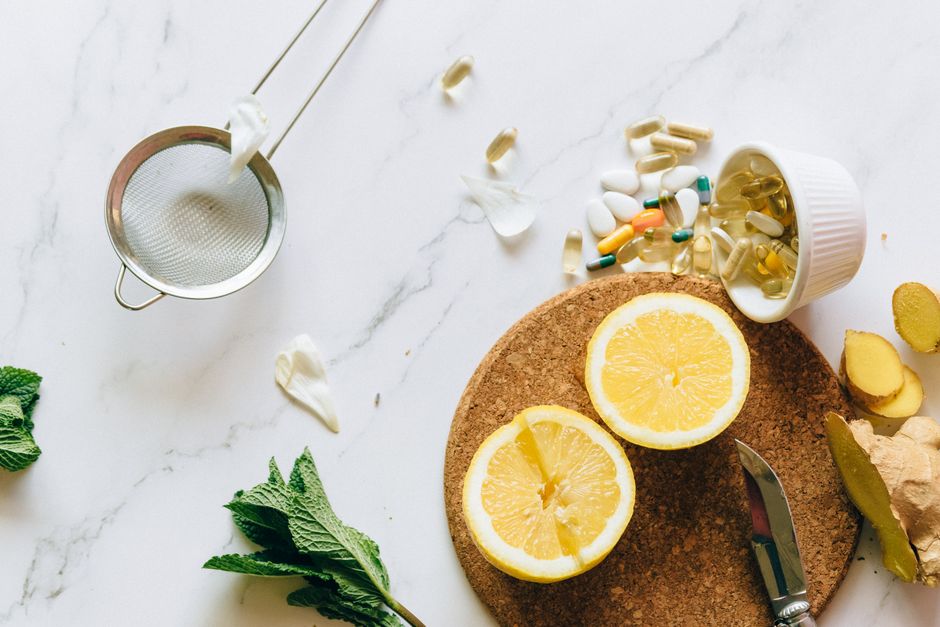
Tannins and phytates. Tea and coffee contain tannins that bind iron. Drinking them with a meal reduces how much iron you absorb from that meal. Phytates, found in whole grains and legumes, bind to iron, zinc, and calcium. This is one reason plant-based diets require a little more attention to iron intake.
Calcium and iron. High doses of calcium can compete with iron for absorption. This matters most for supplements taken at the same time, not for a normal mixed meal.
Oxalates and calcium. Foods high in oxalates, like spinach, bind calcium in the gut. Spinach is often described as a good calcium source, but the oxalate content means your body absorbs relatively little of it. This is a genuinely non-obvious point: the calcium is there on the label, but the bioavailability is low.
None of this means you should avoid these combinations. It means that if you are trying to maximize iron absorption, drinking tea an hour or two away from an iron-rich meal is a reasonable strategy. For most people eating a varied diet, these interactions are not clinically significant.
Does the Order You Eat Food In Matter?
There is some evidence that food order affects blood sugar response, particularly in people with type 2 diabetes or prediabetes. The effect is modest and the research is still developing.
Some studies suggest that eating vegetables or protein before carbohydrate at a meal can lower the post-meal glucose spike. The proposed mechanism involves slower gastric emptying and earlier release of satiety hormones. For people managing blood sugar, this is a low-cost strategy worth discussing with a clinician. For everyone else, the practical benefit is unclear.
What matters far more than sequence is the overall composition of the meal. A meal with fiber, protein, and fat alongside carbohydrates will produce a slower glucose rise than refined carbohydrate eaten alone, regardless of order.



What Foods Should Not Be Mixed for Safety Reasons?
This is a different question from digestion. Some combinations carry real safety risks, and they are worth knowing.
Alcohol and certain medications. This is the most serious category. Alcohol interacts with many drugs, including sedatives, blood thinners, and some antibiotics. The interaction can be dangerous. Check with a pharmacist before drinking alcohol while taking any prescription medication.
Grapefruit and certain drugs. Grapefruit and grapefruit juice inhibit an enzyme involved in metabolizing several medications, including some statins, blood pressure drugs, and immunosuppressants. This can raise drug levels in the blood to unsafe amounts. The list of affected drugs is long. If you take a prescription medication, ask your pharmacist whether grapefruit is a concern.
High-dose supplements taken together. Mineral supplements taken at the same time can compete for absorption, and some combinations, like high-dose zinc and copper over time, can create imbalances. This is a supplement issue, not a food issue, but it belongs in the same conversation.
Foods and foodborne illness risk. Raw meat and ready-to-eat foods should not share cutting boards or surfaces. Cross-contamination is a genuine risk, particularly with raw poultry.
Do “Food Combining” Diets Have Any Scientific Support?
No well-designed studies support the core claims of food combining diets. The idea that the body cannot digest protein and starch together, or that fruit must be eaten alone, is not consistent with what is known about human digestion.
These diets have been popular for decades, but popularity is not evidence. Some people do report feeling better on them. That can happen for several reasons: they often eliminate processed foods, reduce portion sizes, and encourage more vegetables. Those changes could explain the results without any need for the combining rules.
There is no clinical guidance from major health organizations recommending food combining as a therapeutic approach. If a diet plan makes dramatic claims about digestion or weight loss based on food pairings, that is a signal to be skeptical.
How Should You Think About Mixing Foods in Practice?
The most useful approach is to think about what the whole meal provides, not whether individual items “work” together. A meal that combines a protein source, a fiber-rich carbohydrate, vegetables, and some fat tends to be more satisfying and produces a steadier energy release than a meal built around one macronutrient.
Practical points that hold up:
- Pair plant-based iron sources with vitamin C. Vitamin C enhances non-heme iron absorption. Beans with tomatoes, or lentils with bell pepper, is a genuinely useful combination.
- Keep tea and coffee away from iron-rich meals if iron status is a concern.
- Eat a varied diet. The occasional absorption interaction from a single meal is not meaningful in the context of overall intake.
- Ask a pharmacist about drug-food interactions if you take prescription medications regularly.
The evidence on food order and glucose response is interesting but not yet strong enough to build a diet around. Treat it as a possible refinement, not a foundation.
Frequently Asked Questions
Can you eat fruit with other foods?
Yes. Fruit does not ferment in the stomach or interfere with digestion of other foods. The claim that fruit must be eaten alone has no scientific support.
Does drinking tea with meals reduce iron absorption?
Yes, tannins in tea and coffee can bind iron and reduce absorption from that meal. If you are concerned about iron, drinking tea between meals rather than with them is a reasonable adjustment.
Is it bad to mix protein and carbohydrates in one meal?
No. Your body digests protein and carbohydrates simultaneously without difficulty. This combination is a normal part of most traditional diets worldwide.
What foods should never be eaten together?
There are no common food combinations that are dangerous for most people. The real safety concerns are drug-food interactions, such as grapefruit with certain medications, and cross-contamination during food preparation.
