
An ileostomy changes how your body handles food, but it does not mean you are stuck eating the same bland meals forever. Most people with an ileostomy can eat a wide range of foods. The key is learning which foods are easier to digest, which ones can cause problems, and how to add new items slowly so you can see how your body responds.
There is no single ileostomy diet. What works for one person may cause problems for another. Your surgeon, gastroenterologist, or a registered dietitian who knows your history is the best source of guidance for your situation. What follows is general information based on how the digestive system works after ileostomy surgery.
What Actually Changes After an Ileostomy?
An ileostomy connects the end of the small intestine to an opening in the belly called a stoma. Stool leaves the body through the stoma and collects in a pouch. The colon, or large intestine, is bypassed or removed.
The colon normally absorbs a large share of the water and electrolytes from digested food. Without it, stool stays more liquid and leaves the body more often. That is why output from an ileostomy tends to be watery or paste-like rather than formed.
This matters for food choices in two ways. First, some foods are harder for the small intestine to break down, especially insoluble fiber. Second, because you lose more fluid than someone with an intact colon, staying hydrated matters more than it does for most people.
Foods are not the only factor. Chewing thoroughly, eating at regular times, and eating slowly all affect how well you tolerate a meal.
What Foods Can You Eat With An Ileostomy?
You can eat most foods. There is no fixed list of banned items that applies to everyone. The general approach is to start with foods that are easy to digest and add others one at a time.
Foods that tend to be well tolerated include:
- Well-cooked vegetables without skins or seeds
- Soft, peeled fruits such as bananas
- White rice, pasta, and refined breads
- Eggs, tender poultry, fish, and ground or soft meats
- Yogurt, smooth peanut butter, and soft cheeses
- Potatoes without the skin
These foods are lower in tough fiber and easier for the small intestine to process. They also tend to thicken output, which many people find helpful.
As you recover, you can usually widen your diet. Many people return to a fairly normal range of foods over time. The pace is different for everyone, and some foods may stay difficult for years.
Which Foods Are More Likely to Cause Problems?
Certain foods are more likely to cause blockages, gas, or loose output. This does not mean you can never eat them. It means they deserve more caution, smaller portions, and thorough chewing.
Foods that can cause a blockage include:
- Nuts and seeds
- Popcorn
- Raw or tough vegetables, especially cabbage, celery, and corn
- Mushrooms
- Dried fruit
- Fruit and vegetable skins
- Tough or fibrous meats
A blockage is a medical emergency. Signs include cramping, swelling of the stoma, a sudden drop in output, nausea, and vomiting. If these happen, contact your care team right away.
Foods that commonly cause gas include beans, onions, broccoli, and carbonated drinks. Foods that can loosen output include sugary drinks, caffeine, and some fruit juices. Again, reactions vary widely. A food that bothers one person may be fine for another.
How Should You Add New Foods?
Add one new food at a time. Eat a small amount first, then wait a day or two to see how your body responds before trying something else.
Chew each bite until it is nearly liquid. The small intestine has less surface area to work with, so the more you break food down before swallowing, the easier the job becomes. Large pieces of high-fiber food are the most common cause of blockages.
Eating at regular times helps too. Skipping meals can lead to a sudden rush of output when you finally eat. Smaller, more frequent meals are often easier to manage than three large ones.
Keep a simple food and symptom log if you are trying to figure out a pattern. It is hard to remember which meal caused a rough day without writing it down.
How Do You Stay Hydrated With an Ileostomy?
Hydration is a real concern. Without a colon, you lose more water and electrolytes in your stool. Dehydration can happen faster than it does for people with an intact digestive tract.
Sip fluids throughout the day rather than drinking large amounts at once. Water is the foundation. Drinks with electrolytes can help, especially in hot weather or after illness.
Some drinks can loosen output, including coffee, alcohol, and sugary sodas. That does not mean you must avoid them, but pay attention to how they affect you. Signs of dehydration include dark urine, dry mouth, dizziness, and fatigue. Contact your care team if these appear.
Which Foods Can Help Thicken Output?
Some people find certain foods help firm up output. These are often called thickening foods. They include bananas, applesauce, white rice, pasta, potatoes without skin, and smooth peanut butter.
These foods are not a treatment for a medical problem. They are a practical tool that many people use to manage day-to-day comfort. If your output is consistently very loose or very high in volume, that is a conversation to have with your care team, not something to solve with diet alone.
High output can lead to dehydration and electrolyte problems. If you notice output that is much higher than usual for more than a day or two, reach out to your clinician.
Do You Need to Take Supplements?
Some people with an ileostomy need extra vitamins and minerals. The colon normally absorbs some electrolytes, and surgery can affect how well certain nutrients are taken up.
Vitamin B12 is one to watch. It is absorbed in the last part of the small intestine, which is sometimes removed or bypassed during ileostomy surgery. If that section is gone, B12 may need to be supplemented. Your clinician can check your levels with a blood test.
Do not start supplements on your own. Some can affect output or interact with medications. Ask your care team what you actually need based on your specific surgery and blood work.
What About Alcohol and Caffeine?
Many people can still have alcohol and caffeine in moderation. Both can loosen output and increase fluid loss, so they are worth watching.
Alcohol also dehydrates. If you drink, have water alongside it and pay attention to how you feel. Caffeine has a similar effect for some people. There is no universal rule here. Your tolerance is the guide.
When Should You Call Your Care Team?
Diet is one part of living with an ileostomy, but some symptoms need medical attention rather than a food adjustment.
Contact your care team if you have:
- Cramping with little or no output
- Swelling or a change in the stoma
- Nausea or vomiting
- Signs of dehydration
- Output that is much higher than usual for more than a day
These can signal a blockage or another problem that diet changes will not fix. Getting help early matters.
Frequently Asked Questions
Can I eat salad with an ileostomy?
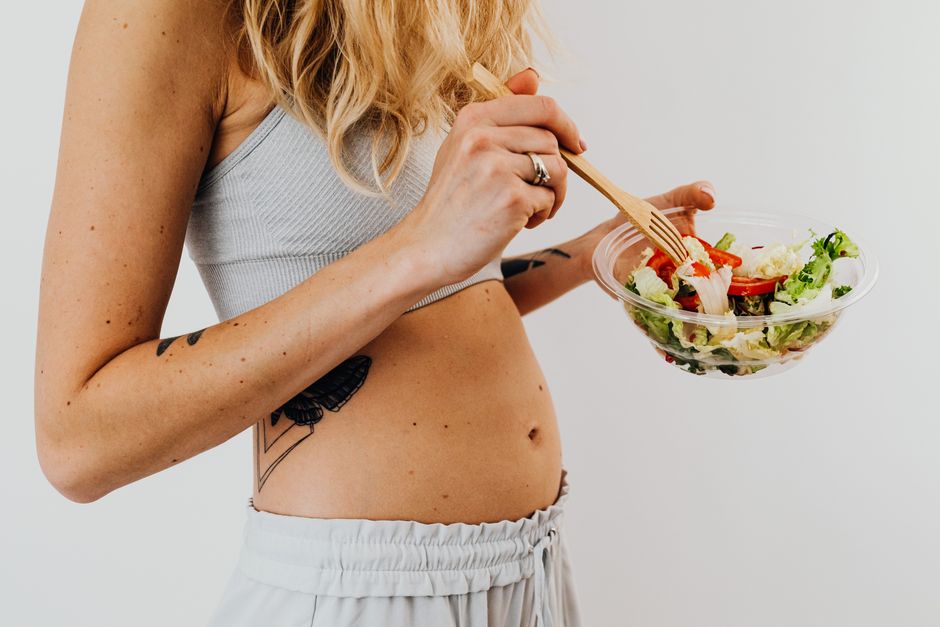
Many people can eat salad in small amounts once they are healed, but raw leafy greens and other raw vegetables are higher in tough fiber and can be harder to digest. Start with small portions, chew very well, and watch for cramping or a drop in output.
Can I eat pizza with an ileostomy?
Many people tolerate pizza, since the crust is a refined grain that is usually easy to digest. Watch the toppings, as some meats, vegetables, and seeds can be harder to handle, and eat a small amount first to see how you respond.
What foods should I avoid right after ileostomy surgery?
Right after surgery, most care teams recommend starting with low-fiber, easy-to-digest foods and adding others slowly. High-fiber items like nuts, seeds, popcorn, and raw vegetables are usually introduced later, one at a time.
How long does it take to adjust to an ileostomy diet?
There is no set timeline, and adjustment varies widely from person to person. Some people feel comfortable with a range of foods within a few months, while others take longer or find certain foods remain difficult.
