
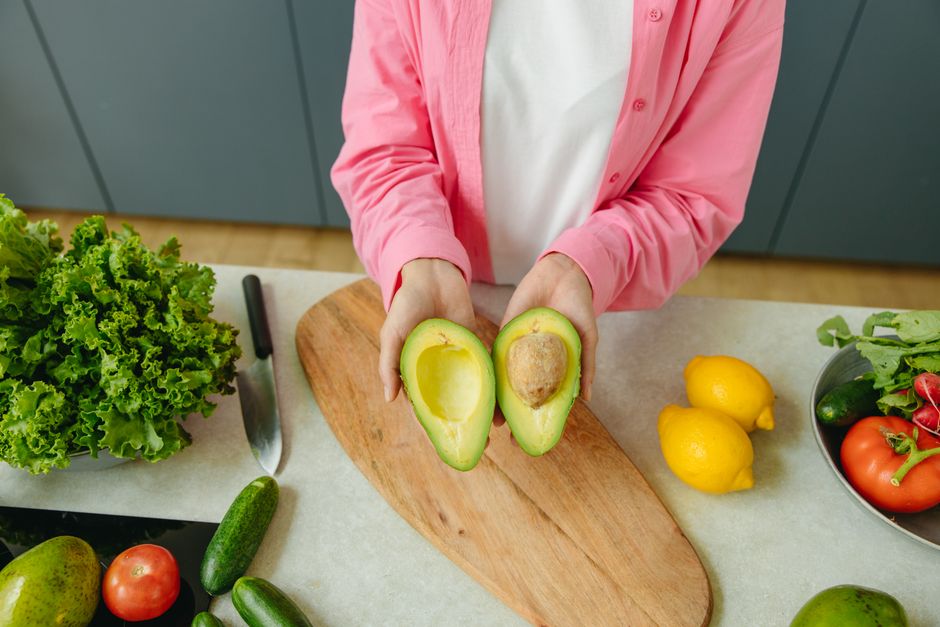
If you want more magnesium and potassium on your plate, the most reliable sources are whole plant foods. Leafy greens, beans and lentils, potatoes, squash, bananas, avocados, nuts, and seeds all deliver meaningful amounts of both minerals. The catch is that foods rarely lead with both at once. Most are strong in one and modest in the other, so the practical answer is variety, not a single hero food.
Magnesium and potassium are the two minerals most adults fall short on. Magnesium supports muscle and nerve function, blood sugar control, and bone structure. Potassium helps regulate blood pressure and fluid balance and is central to how your heart and muscles contract. Getting both from food is a reasonable goal. Getting both from a supplement is a different question with different risks.
What Foods Are High In Magnesium And Potassium?
No single food tops both lists, but several are strong in both. These are the ones worth building meals around.
- Spinach and other leafy greens. Cooked spinach is one of the better combined sources. A half-cup cooked delivers a solid share of magnesium and a meaningful amount of potassium. Swiss chard and beet greens are close behind.
- Beans and lentils. Black beans, kidney beans, white beans, and lentils carry both minerals. They are also high in fiber, which matters for the same heart-health reasons.
- Potatoes. A medium baked potato with the skin is one of the highest potassium foods in the average diet. It also supplies magnesium. The skin holds much of the mineral content.
- Avocado. One of the few fruits that is genuinely high in both. Half an avocado provides a good dose of potassium and a moderate amount of magnesium.
- Nuts and seeds. Pumpkin seeds, almonds, cashews, and sunflower seeds are strong magnesium sources with respectable potassium. Pumpkin seeds are the standout of the group.
- Winter squash. Acorn and butternut squash are high in potassium with a moderate magnesium contribution.
- Bananas. Famous for potassium, and they do carry some magnesium, though less than most people assume.
Which Foods Are Highest In Magnesium?
Magnesium concentrates in seeds, nuts, whole grains, and dark leafy greens. The richest everyday sources are plant-based.
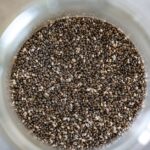
Pumpkin seeds lead the pack by a wide margin. A one-ounce serving provides a large share of the daily requirement. Almonds, cashews, and peanuts follow. So do flaxseed, chia seed, and sesame.
Whole grains matter more than most people realize. Refining strips away much of the magnesium, which is why white rice and white bread are poor sources compared with brown rice, oats, and whole wheat. A bowl of oatmeal is a genuinely good magnesium food. A bowl of refined cereal is not.
Dark leafy greens, black beans, edamame, and dark chocolate round out the list. The chocolate point is real but easy to overstate. Cocoa powder is high in magnesium; a milk chocolate bar is mostly sugar and fat, so the mineral contribution is modest.
One clarification worth knowing: magnesium content in vegetables depends heavily on the soil they grew in. The same spinach can vary in mineral content depending on where and how it was farmed. This is one reason dietary estimates are approximate.
Which Foods Are Highest In Potassium?
Potassium is abundant in fresh produce, and the single highest common sources are potatoes, beans, and leafy greens.
A baked potato with skin is at the top of most lists, ahead of the banana many people associate with the mineral. White beans, lima beans, and lentils are close. So are cooked spinach, beet greens, and acorn squash.
Fruits contribute too. Bananas, oranges, avocados, and dried fruits like raisins and prunes all carry meaningful potassium. Dried fruit is concentrated, so a small portion delivers a lot. Tomato products, including tomato paste and juice, are strong sources as well.
Dairy and fish also supply potassium. Milk, yogurt, salmon, and tuna contribute. For people who eat animal foods, these add up over a day more than many realize.
Here is the part that surprises people: potassium is not rare in whole foods. It is rare in processed food. The average Western diet is low in potassium largely because it is built on refined grains and packaged products, not because potassium-rich foods are hard to find.


How Do These Two Minerals Compare In Common Foods?
The table below shows which foods are strong in one mineral, the other, or both. Amounts are approximate and vary by portion, variety, and preparation.
| Food | Magnesium | Potassium | Notes |
|---|---|---|---|
| Pumpkin seeds (1 oz) | Very high | Moderate | Best magnesium source of the group |
| Almonds (1 oz) | High | Moderate | Good everyday snack |
| Cooked spinach (½ cup) | High | High | Strong in both |
| Black beans (½ cup) | High | High | Strong in both, high fiber |
| Baked potato with skin (medium) | Moderate | Very high | Skin holds much of the mineral |
| Avocado (half) | Moderate | High | One of few fruits high in both |
| Banana (medium) | Low | High | Potassium famous, magnesium modest |
| Oatmeal (1 cup cooked) | High | Moderate | Whole grain beats refined |
| Acorn squash (1 cup) | Moderate | High | Good potassium, some magnesium |
Why Do Most People Fall Short On Both Minerals?
Low intake of magnesium and potassium usually comes down to the same cause: a diet built on refined and processed foods.
Refining grains removes the bran and germ, and with them a large share of the magnesium. That is why whole grains and refined grains are not interchangeable for mineral content. The same logic applies to potassium. Fresh produce is potassium-rich; packaged food is not.
Magnesium absorption also varies. The body absorbs a smaller fraction from foods high in phytates, such as unsoaked whole grains and legumes, than from other sources. This does not make those foods bad. It means the listed amount on a nutrition label is not identical to what your body uses.
Certain groups are at higher risk of low magnesium. People with type 2 diabetes, digestive conditions that impair absorption, and long-term heavy alcohol use are among them. Some medications, including certain diuretics, increase mineral loss. If you take a diuretic or have a chronic condition, this is worth raising with your clinician rather than guessing.
Low potassium is less about absorption and more about intake and loss. Diuretics, vomiting, diarrhea, and heavy sweating all increase potassium loss. So does a diet low in produce.
Should You Get These Minerals From Food Or Supplements?
Food is the better route for most people, and the reason is not just nutrition. It is safety.
Potassium supplements carry real risk. High-dose potassium can cause dangerous heart rhythm problems, and potassium supplements are not appropriate for everyone. In the United States, potassium supplements are limited by regulation to relatively small doses per pill for this reason. People with kidney disease should be especially cautious, because impaired kidneys cannot clear excess potassium. This is a genuine safety issue, not a marketing talking point.
Magnesium supplements are generally lower risk but not risk-free. Too much magnesium from supplements can cause diarrhea and stomach upset. People with reduced kidney function should not take high-dose magnesium without medical guidance.
The practical takeaway: get potassium from food, where it comes packaged with water, fiber, and other nutrients, and where the body regulates absorption. Magnesium supplements can help some people, but food sources should come first. No clinical guidelines recommend routine high-dose supplementation for the general population.
If you have kidney disease, take diuretics, or take blood pressure medication, talk to your clinician before adding potassium-rich foods in large amounts or starting any supplement. The interaction between potassium and certain blood pressure drugs is real and worth a conversation.
How Can You Add More Of Both To Your Day?
Small swaps do most of the work. You do not need a new diet, just a few consistent changes.
- Swap white rice for brown rice, or white bread for whole wheat.
- Add a handful of pumpkin seeds or almonds to a meal once a day.
- Keep beans and lentils on hand for soups, salads, and bowls.
- Leave the skin on potatoes and eat the whole vegetable.
- Cook spinach or chard into eggs, pasta, or soups.
- Snack on a banana, an orange, or half an avocado.
None of these is dramatic. That is the point. The people who meet their mineral needs are usually not taking special products. They are eating whole foods regularly and letting the amounts add up across the day.
Frequently Asked Questions
What food is highest in both magnesium and potassium?
Cooked spinach and beans such as black beans are among the strongest combined sources, delivering meaningful amounts of both minerals in one serving. Pumpkin seeds are the top magnesium source but carry less potassium.
Are bananas high in magnesium?
No, bananas are high in potassium but only modest in magnesium. They are a good potassium food but not a strong magnesium source.
Is it safe to take potassium supplements?
Potassium supplements carry real risk, including dangerous heart rhythm problems at high doses, and are not appropriate for everyone. Get potassium from food and talk to your clinician before supplementing, especially if you have kidney disease or take blood pressure medication.
Do you need supplements to get enough magnesium and potassium?
Most people can meet their needs from food by eating whole grains, beans, leafy greens, nuts, seeds, and fresh produce. No clinical guidelines recommend routine high-dose supplementation for the general population.
