
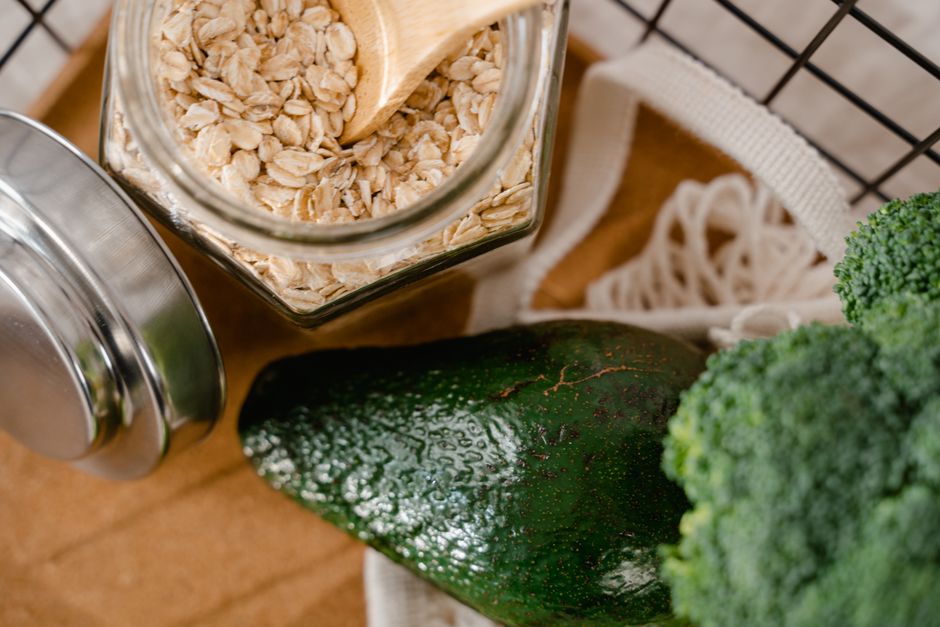
Fiber is the part of plant foods your body cannot fully break down. It passes through your stomach and small intestine mostly intact, then reaches your colon where it feeds bacteria and adds bulk to waste. Foods highest in fiber include beans and lentils, whole grains like oats and barley, nuts and seeds, and fruits and vegetables with their skins left on.
Most adults in the United States get about 15 grams of fiber a day. Federal dietary guidelines recommend 25 to 30 grams daily for adults, with needs varying by age and sex. That gap matters, because fiber is tied to heart health, blood sugar control, digestion, and how full you feel after eating.
What Foods Are High In Fiber And How Do They Help?
The foods with the most fiber per serving fall into a few clear groups. Legumes lead the list by a wide margin. One cup of cooked lentils provides roughly 15 grams of fiber. The same amount of black beans or chickpeas lands in a similar range. These are among the most fiber-dense foods you can eat.
Whole grains come next. A cup of cooked oatmeal has about 4 grams. Barley, quinoa, and brown rice add meaningful amounts too. Refined grains like white bread and white rice have had their fiber-rich outer layers stripped away, so they deliver far less.
Nuts and seeds are concentrated sources. An ounce of almonds has about 3.5 grams. Chia seeds and ground flaxseed are especially high, with roughly 10 grams per ounce for chia. Fruits and vegetables contribute steadily. A medium pear with skin has about 5.5 grams. An apple with skin has around 4.5 grams. Raspberries pack about 8 grams per cup.
Here is a comparison of common high-fiber foods by serving:
| Food | Serving | Fiber (approx.) |
|---|---|---|
| Lentils, cooked | 1 cup | 15 g |
| Black beans, cooked | 1 cup | 15 g |
| Chia seeds | 1 ounce | 10 g |
| Raspberries | 1 cup | 8 g |
| Pear, with skin | 1 medium | 5.5 g |
| Oatmeal, cooked | 1 cup | 4 g |
| Apple, with skin | 1 medium | 4.5 g |
| Almonds | 1 ounce | 3.5 g |
These figures come from standard nutrient databases and reflect typical values. Actual fiber content varies with variety, ripeness, and how the food is prepared.
How Does Fiber Actually Work In The Body?
Not all fiber behaves the same way. Nutrition researchers split it into two broad types, and both matter for different reasons.
Soluble fiber dissolves in water and forms a gel-like substance in your gut. Oats, barley, beans, apples, and citrus fruits are rich in it. This gel slows digestion and can blunt the rise in blood sugar after a meal. It also binds to some cholesterol in your digestive tract, which is one reason soluble fiber is linked to lower LDL cholesterol.
Insoluble fiber does not dissolve. It adds bulk and helps move material through your intestines. Whole wheat, nuts, and the skins of many vegetables supply it. This type is most associated with regularity and preventing constipation.
Most plant foods contain both types in varying proportions, which is why eating a range of them works better than chasing one kind.
One detail often gets lost. Fiber is not just a mechanical bulking agent. It is food for the trillions of bacteria living in your colon. When those bacteria ferment soluble fiber, they produce short-chain fatty acids. These compounds feed the cells lining your colon and appear to influence metabolism and immune function. This field is active but still developing. The mechanisms are well described, but how much they translate into specific health outcomes in humans is not fully settled.
What Are The Proven Health Benefits Of A High-Fiber Diet?
The strongest evidence for fiber centers on a handful of outcomes. Large observational studies and controlled trials have consistently linked higher fiber intake to lower risk of heart disease. Soluble fiber’s effect on LDL cholesterol is one well-documented mechanism behind this.
Fiber also helps with blood sugar. Because soluble fiber slows the absorption of sugar from food, it can reduce blood sugar spikes after meals. For people with type 2 diabetes, this is a recognized part of dietary management. It does not replace medication, but it is a documented dietary factor.
Digestive regularity is the benefit most people notice first. Insoluble fiber adds bulk and softens stool, which makes bowel movements easier. This is well established for constipation.
Weight management gets more attention than the evidence fully supports. Fiber-rich foods do tend to make you feel full, and people who eat more fiber often weigh less. But it is hard to separate fiber’s effect from everything else that comes with a diet high in whole plant foods. The relationship is real and consistent. The precise size of fiber’s independent contribution is harder to pin down.
Claims that fiber prevents specific cancers are more mixed. Some studies suggest a protective link for colorectal cancer, but results across studies vary, and the effect appears modest at most. It is fair to say the evidence points in a favorable direction without being definitive.





How Much Fiber Do You Need Each Day?
Federal dietary guidelines recommend about 25 grams daily for adult women and 38 grams for adult men, though these figures shift with age. After age 50, the recommendation drops to roughly 21 grams for women and 30 grams for men, largely because calorie needs decline. A common simplification is 14 grams of fiber for every 1,000 calories eaten.
Most people fall short. The gap between the recommended amount and what the average American eats is roughly half. Closing it does not require drastic changes. Adding a cup of beans to a meal, choosing whole grain bread over white, and eating fruit with the skin on can each add several grams.
If you currently eat little fiber, increase it gradually over a few weeks. Going from 10 grams to 35 grams overnight often causes bloating, gas, and cramping. Your gut bacteria need time to adjust. Drink more water as you add fiber, since fiber needs fluid to do its job well.
For children, fiber needs scale with age and size. A commonly cited guide is to add 5 to a child’s age in years for a rough daily gram target. This is a general rule of thumb rather than a formal clinical guideline. For infants, no established fiber recommendation exists in the same way it does for older children and adults, and infant feeding decisions should follow pediatric guidance.
Does Fiber Only Come From Fresh Foods?
No, and this is where some confusion creeps in. Canned beans and lentils retain most of their fiber. Frozen vegetables are typically picked and frozen at peak ripeness and hold onto their fiber well. Canned fruit in juice keeps much of its fiber, though canned fruit in heavy syrup adds sugar you may not want.
Cooking does not destroy fiber. It softens plant cell walls, which can make some nutrients easier to absorb, but the fiber itself largely remains. Cooked carrots, for example, still deliver fiber. The main losses come from processing that removes the fibrous parts entirely, such as peeling, juicing, and refining grains.
Juicing is worth a specific note. When you juice a fruit, you strip out most of the insoluble fiber and much of the soluble fiber along with it. You are left with a sugary liquid that digests quickly. Eating the whole fruit gives you the fiber that slows that sugar release. This is a meaningful difference, not a minor one.
Are Fiber Supplements As Good As Fiber From Food?
Supplements can help, but they are not a full substitute for fiber-rich foods. Fiber supplements typically contain one isolated type of fiber, such as psyllium, methylcellulose, or inulin. Whole foods deliver a mix of fiber types plus vitamins, minerals, and other plant compounds that supplements do not replicate.
That said, some supplements have decent evidence behind them. Psyllium is among the better studied for constipation and for lowering cholesterol. Inulin and similar fermentable fibers can feed gut bacteria, though they also cause gas in many people, especially at higher doses.
If you use a fiber supplement, start with a low dose and increase slowly. Take it with plenty of water. Taking fiber supplements with certain medications can affect how those drugs are absorbed, so timing matters. This is a question worth raising with a pharmacist or doctor rather than guessing.
The bottom line on supplements: they can fill a gap, but they are not a shortcut around eating plants.
What Should You Watch Out For When Adding Fiber?
More fiber is not automatically better, and it can cause problems if you push too hard too fast. Bloating, gas, and cramping are common when intake jumps quickly. These usually ease as your gut adjusts, but the adjustment takes days to weeks, not hours.
People with certain digestive conditions need to be more careful. In irritable bowel syndrome, some types of fiber help and others worsen symptoms, depending on the person. In inflammatory bowel disease, high-fiber foods can be problematic during flare-ups. Anyone with a narrowed or obstructed intestine should follow medical guidance rather than a general fiber target.
There is also a real risk of overcorrecting. Eating far more fiber than your body can handle, especially without enough fluid, can make constipation worse rather than better. Fiber needs water to work. Without it, bulk can harden.
A practical approach is to add one fiber-rich food at a time, drink water throughout the day, and give your body a couple of weeks to adapt before adding more. If symptoms do not improve or get worse, that is a signal to check with a clinician rather than push through.
Frequently Asked Questions
What is the highest fiber food?
Legumes such as lentils, black beans, and chickpeas are among the highest, with roughly 15 grams of fiber per cooked cup. Chia seeds and other seeds are also very high per ounce.
How much fiber do I need per day?
Federal guidelines recommend about 25 grams daily for adult women and 38 grams for adult men, dropping somewhat after age 50. Most Americans eat only about half the recommended amount.
Can eating too much fiber be harmful?
Yes, increasing fiber too quickly can cause bloating, gas, and cramping, and without enough fluids it can worsen constipation. People with certain digestive conditions may need medical guidance on fiber intake.
Do fiber supplements work as well as fiber from food?
They can help with specific issues like constipation, and psyllium is reasonably well studied for that purpose. But supplements provide one isolated fiber type, while whole foods deliver a mix of fibers plus other nutrients.
