
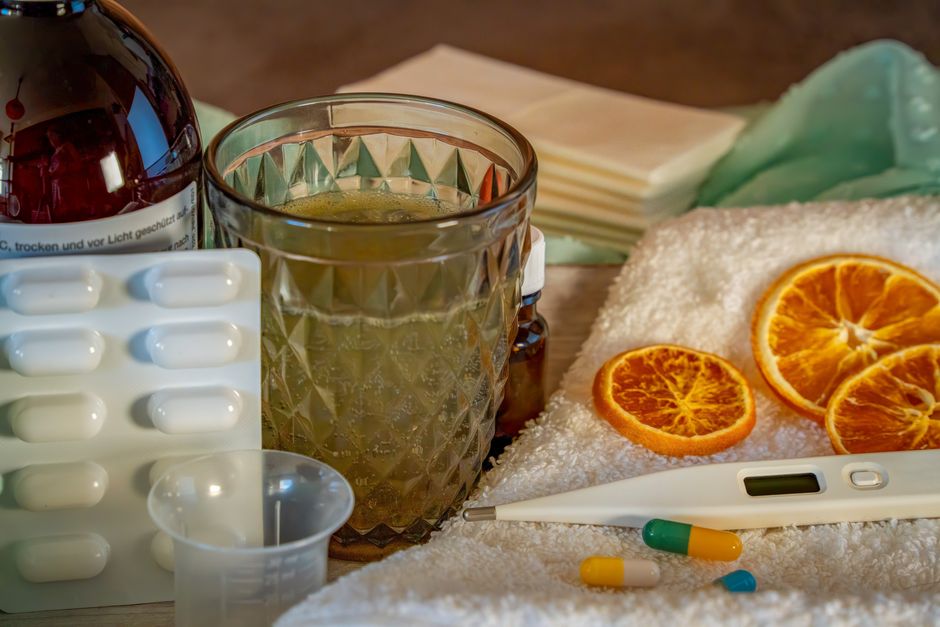
When you are sick, the best foods are usually simple ones your body can digest without much work: clear broths, plain rice or toast, bananas, applesauce, cooked eggs, and plenty of fluids. These give you energy and replace what illness takes out of you, like water and electrolytes. There is no single food that fights infection. The goal is to support your body while your immune system does the real work.
What Foods Are Good To Eat When You Are Sick?
Illness changes what your body needs. A fever raises your metabolic rate and makes you lose fluid through sweat. Vomiting and diarrhea drain water and electrolytes. A sore throat or nausea can make eating painful or unappealing. The foods that help most are the ones that address these problems without adding new ones.
That usually means bland, soft, easy-to-digest options. The classic set is broth, plain crackers or toast, rice, bananas, and applesauce. None of these are magic. They are simply gentle on the stomach and easy to keep down. That matters more than any specific nutrient when you are acutely ill.
Fluids deserve equal billing with food. Water, broth, and oral rehydration solutions replace what you lose. If you can only manage sips, take sips often. Staying hydrated is often more urgent than getting calories in the first day or two of a short illness.
Why Bland Foods Help When You Have a Stomach Bug
When you have nausea, vomiting, or diarrhea, your gut is inflamed and moving abnormally. Fatty, spicy, or high-fiber foods can make that worse. Bland foods are less likely to trigger more nausea or speed up your gut when it is already irritated.
The BRAT approach — bananas, rice, applesauce, toast — is widely used for short-term stomach upset. It is not a complete diet, and no major guideline recommends it as a long-term plan. It is a starting point for the first day or so, when the priority is keeping something down rather than meeting all your nutritional needs.
Some clinicians also suggest plain crackers, plain pasta, and boiled potatoes. The pattern is the same: low fat, low fiber, low seasoning. As you start to feel better, you add foods back gradually rather than jumping straight to a heavy meal.
What to Eat When You Have a Cold or Sore Throat
A cold or sore throat does not usually affect digestion, so you have more flexibility. Warm liquids can soothe an irritated throat. Chicken soup, tea, and warm water with honey are common choices.
Honey is one of the few home remedies with reasonable evidence behind it for cough. Research suggests it can reduce cough frequency in some people, though it is not a cure. Do not give honey to infants under one year old because of the risk of infant botulism, a rare but serious condition.
Soft, cool foods can also help a sore throat. Yogurt, applesauce, and popsicles are easy to swallow and provide some calories. Protein matters too, since your body uses it to rebuild and to mount an immune response. Eggs, soft chicken, and yogurt are reasonable if you can tolerate them.
Does Chicken Soup Actually Help?
Chicken soup has been studied, and some research suggests it may help with cold symptoms. One often-cited study found that chicken soup appeared to slow the movement of certain immune cells involved in inflammation. That is an interesting finding, but it does not prove soup shortens a cold or treats illness.
What soup reliably does is provide fluid, salt, and warmth — all useful when you are sick. The steam may temporarily ease a stuffy nose. The salt and liquid help with hydration. Those benefits are real even if the “immune-boosting” claims are not.
So soup is a good choice, but not because it is a medicine. It is good because it is hydrating, easy to eat, and comforting, and comfort matters when you feel awful.
What About Vitamin C, Zinc, and Other Supplements?
The evidence for most supplements in treating illness is weaker than marketing suggests. Vitamin C does not appear to prevent colds in most people, though it may slightly reduce how long a cold lasts in some cases. Zinc lozenges have shown mixed results, and they can cause nausea and a metallic taste.
No supplement has been shown to reliably cure a cold or flu. If you are considering one, talk to a pharmacist or doctor, especially if you take other medications. Some supplements interact with prescriptions.
Food sources are generally a safer bet than high-dose supplements. Citrus fruit, peppers, and leafy greens provide vitamin C. Meat, beans, and nuts provide zinc. Getting these through food is unlikely to cause harm and supports general health.
Foods to Avoid While You Are Sick
Some foods can make symptoms worse. Alcohol dehydrates you and can worsen nausea. Caffeine in large amounts can do the same. Very greasy or very spicy foods can irritate an already sensitive stomach.
High-sugar foods and drinks are not dangerous, but they provide little nutrition and can leave you feeling worse if they replace real meals. If you are vomiting or have diarrhea, avoid anything that is hard to digest until you improve.
If you have a specific condition — diabetes, kidney disease, heart failure, or a food allergy — your usual dietary rules still apply. Illness does not suspend them. Follow your care plan and ask your doctor if you are unsure.
How to Stay Hydrated When You Cannot Eat Much
Fluids often matter more than food during a short illness. Water is fine for most people. If you are losing a lot through vomiting or diarrhea, an oral rehydration solution can replace electrolytes more effectively than water alone.
Oral rehydration solutions are widely available and are the standard for treating dehydration from diarrhea, especially in children. They balance water, salt, and sugar in proportions your body absorbs well. Sports drinks are not the same thing and often contain more sugar than needed.
Signs of dehydration include dark urine, dry mouth, dizziness on standing, and urinating less often. If you cannot keep fluids down, or if dehydration is severe, seek medical care. That is not something to manage at home.
When to See a Doctor Instead of Changing Your Diet
Food and fluids support you through minor illness, but they do not treat serious ones. Seek medical care if you have a high fever that will not come down, trouble breathing, severe abdominal pain, signs of dehydration, or symptoms that last longer than expected.
For infants, young children, older adults, and people with weakened immune systems, illness can become serious faster. Do not wait to call a doctor if you are worried. No food choice replaces timely medical care.
Quick Guide to Sick-Day Foods
| Food | Why It Helps | Best For |
|---|---|---|
| Broth or soup | Fluid, salt, warmth | Colds, sore throat, general illness |
| Bananas | Easy to digest, potassium | Stomach upset, diarrhea |
| Plain rice or toast | Bland, low fiber | Nausea, vomiting |
| Applesauce | Soft, mild | Sore throat, nausea |
| Eggs | Protein | Recovery, colds |
| Yogurt | Protein, easy to swallow | Sore throat |
| Oral rehydration solution | Water and electrolytes | Vomiting, diarrhea |
Frequently Asked Questions
What is the best food to eat when you are sick?
There is no single best food. Broth, plain rice, bananas, applesauce, and eggs are common choices because they are easy to digest and provide fluids or energy.
Should I force myself to eat when I am sick?
No. If you have no appetite, focus on fluids first. Eat small amounts when you feel able, and do not force a full meal.
Does chicken soup really help a cold?
Some research suggests it may ease symptoms, but it is not proven to shorten a cold. Its main benefits are fluid, salt, and warmth.
What should I drink when I am vomiting?
Small sips of water or an oral rehydration solution are best. Avoid large amounts at once, and seek care if you cannot keep fluids down.
