
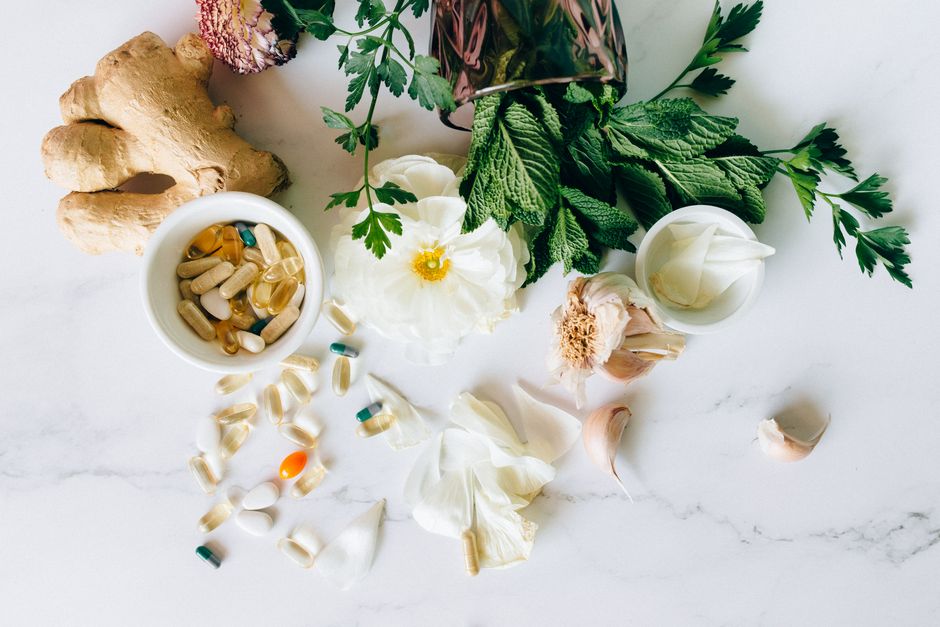
The thyroid is a small gland in your neck that runs your metabolism, and it needs specific nutrients to do that job. The most important are iodine, selenium, iron, zinc, and tyrosine. Foods that supply these include iodized salt, seafood, dairy, eggs, Brazil nuts, lean meats, beans, and lentils. No single food covers everything, which is why variety matters more than any one “thyroid superfood.”
Here is the part most articles skip. A nutrient can be essential for thyroid function and still not help you if your thyroid problem is not caused by a shortage of it. Hashimoto’s disease, the most common cause of an underactive thyroid in the US, is an autoimmune condition. Eating more selenium will not switch off that immune response. Food supports the thyroid. It does not treat thyroid disease.
What Foods Are Good For The Thyroid Key Nutrients?
Four minerals and one amino acid do most of the heavy lifting.
Iodine is the raw material. The thyroid uses it to build thyroid hormone. Without enough, the gland cannot produce adequate amounts, and it may enlarge as it tries. Iodized salt is the main source in the US diet. Seafood, seaweed, and dairy also provide it. In the US, iodine deficiency is uncommon because of iodized salt, though some research suggests intake has declined in certain groups.
Selenium is the quiet one. It does not become part of thyroid hormone, but it is required by enzymes that convert the stored form of thyroid hormone into the active form. It also supports antioxidant defenses inside the thyroid gland. Brazil nuts are the standout source. Two or three nuts can contain more than a day’s worth. That is also the risk. Selenium has a real toxicity ceiling, and Brazil nuts are wildly variable in content, so a handful a day is not a safe habit.
Iron, zinc, and tyrosine round out the list. Iron and zinc are both needed for normal thyroid hormone production. Tyrosine is an amino acid the gland combines with iodine to make hormone. You get tyrosine from protein foods, and most Americans get plenty.
One clarification worth knowing. Selenium and iodine work together, but more is not better. In people who already get enough iodine, extra iodine can sometimes worsen thyroid problems, particularly autoimmune ones. This is why kelp supplements are a poor idea for most people.
Which Foods Should Be on Your Plate?
You do not need a special diet. You need a varied one that covers the nutrients above.
- Iodized salt — the simplest iodine source in a typical US kitchen
- Seafood and fish — iodine and selenium together
- Dairy and eggs — iodine, selenium, and complete protein
- Brazil nuts — selenium, but keep intake modest
- Lean meats and poultry — iron, zinc, tyrosine
- Beans and lentils — iron and zinc, especially for plant-based eaters
- Nuts, seeds, and whole grains — selenium and zinc
That is a normal, balanced diet. Nothing exotic. If you already eat this way, you are almost certainly covering your thyroid’s nutrient needs. If you do not, the fix is the same diet that supports the rest of your body.
Can Diet Fix a Thyroid Problem?
For one specific situation, yes. If hypothyroidism is caused by genuine iodine deficiency, correcting that deficiency resolves it. This is well documented in parts of the world where iodized salt is not available. It is rare in the US.
For everyone else, the answer is no. Diet does not treat Hashimoto’s disease, and it does not replace thyroid hormone medication. If your thyroid is underactive because of autoimmunity or because the gland was removed or damaged, no food will restore hormone production. Medication does that.
This distinction matters because thyroid disease is one of the most heavily marketed conditions in the supplement industry. There is no diet that reverses autoimmune thyroid disease. Some small studies have looked at selenium supplementation in people with Hashimoto’s, and results have been mixed. It is not an established treatment, and clinicians do not agree on whether it helps.
What diet can do is make sure you are not adding a nutrient deficiency on top of a thyroid condition. Iron deficiency and low vitamin D are both common in people with thyroid disease, and both are worth checking with a doctor rather than guessing at.




What About Goitrogens and Foods That Harm the Thyroid?
Cruciferous vegetables — broccoli, cabbage, kale, cauliflower — contain compounds called goitrogens. In large amounts and in certain conditions, these can interfere with iodine uptake by the thyroid.
For most people, this is a non-issue. Cooking reduces the effect, and you would need to eat very large quantities of raw cruciferous vegetables regularly to matter. The evidence for harm in people with adequate iodine intake is weak. Avoiding broccoli out of thyroid fear is not supported.
The exception is when iodine intake is already low. In that setting, heavy raw goitrogen intake can contribute to thyroid problems. If you eat iodized salt and a varied diet, this is not a realistic concern.
Soy is another food often flagged. Soy can interfere with absorption of thyroid hormone medication if taken at the same time, but it does not cause thyroid disease, and it does not harm thyroid function in people with adequate iodine. The issue is timing with medication, not the food itself.
How Do Thyroid Medications Interact With Food?
This is where diet and thyroid care genuinely intersect, and it is well established.
Levothyroxine, the standard thyroid hormone replacement, is poorly absorbed when taken with food. Clinical guidance is to take it on an empty stomach, typically 30 to 60 minutes before breakfast, or at bedtime several hours after the last meal. Consistency matters as much as timing.
Several common foods and supplements reduce absorption when taken too close to the dose:
- Calcium — dairy, fortified drinks, and calcium supplements
- Iron — supplements and iron-rich meals
- Soy — food and supplements
- Coffee — can reduce absorption when taken right after the dose
- High-fiber foods — can bind the medication
None of these need to be avoided. They need to be separated from your dose by several hours. This is a timing issue, not a food issue, and it is one of the most practical things a person on thyroid medication can get right.
Should You Take Supplements for Thyroid Health?
Most people do not need them, and some are risky.
Selenium and iodine are the two most marketed for thyroid support. Both have real upper limits. Too much iodine can trigger or worsen thyroid dysfunction, including in people with autoimmune thyroid disease. Too much selenium can cause hair loss, brittle nails, and in serious cases nerve damage. The margin between helpful and harmful is narrow for both.
If you have a diagnosed deficiency, supplementation under medical supervision makes sense. If you do not, taking these “for thyroid health” is guesswork with real downside.
Iron and vitamin D are different. Both are commonly low in people with thyroid disease, and both are worth testing rather than assuming. Treatment for a confirmed deficiency is standard care. Blind supplementation is not.
The honest position: no supplement has been shown to treat thyroid disease. Some nutrients support normal thyroid function, and a deficiency in any of them can impair it. That is not the same as saying supplements improve thyroid health in people who are not deficient.
Do You Need a Special Diet for Thyroid Health?
No. The diet that supports your thyroid is the same one that supports your heart, your bones, and your energy. Vegetables, protein, whole grains, dairy or alternatives, and iodized salt in normal amounts. That covers iodine, selenium, iron, zinc, and tyrosine without any special planning.
The thyroid is not fragile. It does not need a protocol. It needs the basics done consistently, and it needs medical treatment when something is actually wrong with it.
If you have symptoms that suggest a thyroid problem — persistent fatigue, unexplained weight change, feeling cold when others are not, or changes in heart rate — see a doctor. A blood test answers in a day what no diet can answer at all.
Frequently Asked Questions
What foods are good for the thyroid key nutrients?
Iodized salt, seafood, dairy, eggs, Brazil nuts, lean meats, beans, and lentils cover the main thyroid nutrients: iodine, selenium, iron, zinc, and tyrosine. A varied diet supplies all of them without any special foods.
Can diet cure hypothyroidism?
Diet can correct hypothyroidism only when it is caused by iodine deficiency, which is rare in the US. It does not treat Hashimoto’s disease or replace thyroid hormone medication.
Are cruciferous vegetables bad for the thyroid?
No, not for most people. Cooking reduces their goitrogen content, and you would need very large amounts of raw cruciferous vegetables to affect thyroid function when iodine intake is adequate.
Should I take selenium for my thyroid?
Not without a diagnosed deficiency and medical guidance. Some small studies have looked at selenium in Hashimoto’s disease with mixed results, and too much selenium causes real harm.
