
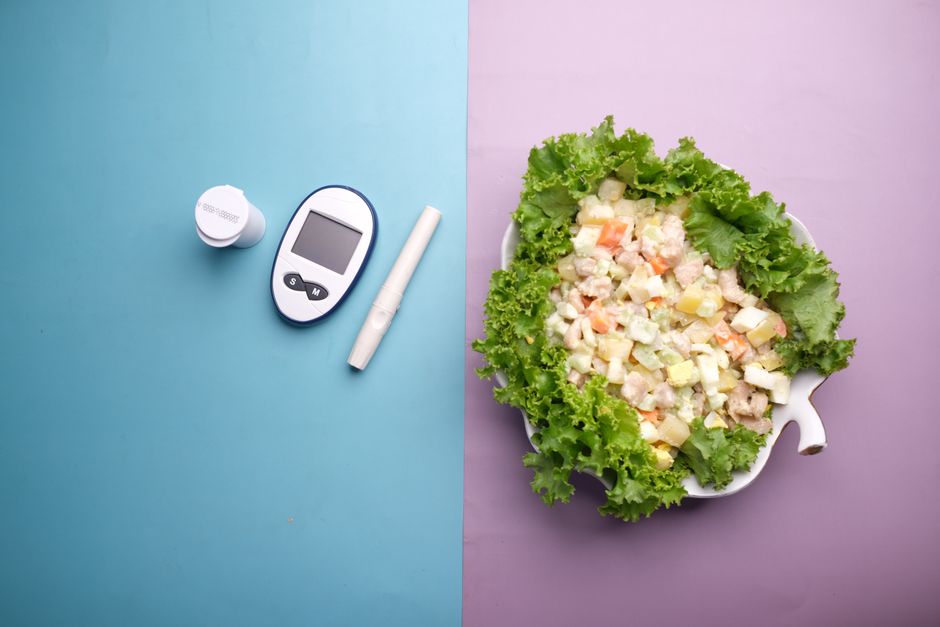
Blood pressure responds to what you eat, and the effects are not small. Diets built around vegetables, fruits, beans, nuts, and low-fat dairy tend to lower blood pressure, while diets heavy in salt, processed meat, and sugary drinks tend to raise it. The strongest evidence points to three levers: how much sodium you take in, how much potassium you get, and your overall body weight.
This is not about one magic food. It is about patterns that repeat across meals, week after week. Below is what the research actually shows about the foods that help, the foods that hurt, and the claims you can safely ignore.
What Foods Affect Blood Pressure Best and Worst?
The best foods for blood pressure are those rich in potassium, magnesium, calcium, and fiber, and low in sodium. The worst are those loaded with salt, added sugar, and saturated fat, especially ultra-processed foods and sugary drinks.
That is the short version. The longer version matters because people tend to focus on single ingredients when the real effect comes from the whole diet.
Potassium is the key mineral most people miss. It helps your kidneys excrete sodium and eases tension in blood vessel walls. Most Americans get far less potassium than the roughly 3,500 to 5,000 milligrams per day that authoritative dietary guidelines point toward for adults. Foods like beans, potatoes, bananas, spinach, and tomatoes are dense in it.
Sodium works the other way. Excess sodium pulls water into your bloodstream, raising the volume your heart has to push against. For some people, this effect is large. For others it is modest. The variation is real and partly genetic, but the population-level effect is well documented.
Which Foods Lower Blood Pressure?
The eating pattern with the most consistent evidence behind it is the DASH diet, which stands for Dietary Approaches to Stop Hypertension. It emphasizes vegetables, fruits, whole grains, low-fat dairy, poultry, fish, beans, and nuts, and limits red meat, sweets, and sodium.
DASH has been studied in controlled feeding trials, and the results have been replicated. It lowers blood pressure in people with normal blood pressure and in people with hypertension. The effect is larger in people who already have high blood pressure.
Specific foods that fit the pattern and carry good evidence include:
- Leafy greens like spinach, kale, and Swiss chard, which are high in potassium and magnesium.
- Beans and lentils, which combine potassium, magnesium, and fiber.
- Beets, which contain dietary nitrates. Some studies show a modest blood pressure reduction within hours of eating them, though the effect is short-lived and smaller than medication.
- Berries, which are rich in compounds called anthocyanins. Some research suggests a link to lower blood pressure, but the evidence is not as strong as for the DASH pattern as a whole.
- Oats and whole grains, which support fiber intake and modestly improve blood pressure over time.
- Fatty fish like salmon and sardines, which supply omega-3 fatty acids. Evidence here is mixed; some studies show small reductions, others show little effect.
- Low-fat dairy, which provides calcium. The DASH trials included it, though dairy alone has not been shown to lower blood pressure on its own.
- Unsalted nuts and seeds, which contribute magnesium and healthy fats.
One clarification worth making: no single food on this list has been shown in large trials to lower blood pressure meaningfully by itself. The effect comes from the combination and from what these foods replace.
Which Foods Raise Blood Pressure?
Sodium is the biggest dietary driver of high blood pressure at the population level. The main sources are not the salt shaker. They are processed and restaurant foods.
Bread, pizza, deli meat, canned soup, frozen meals, and cheese contribute a large share of sodium in the typical American diet. A single serving of some canned soups can approach or exceed a full day’s recommended sodium limit.
Other foods and patterns linked to higher blood pressure include:
- Processed meats like bacon, sausage, hot dogs, and cured deli meats, which are high in sodium and saturated fat.
- Sugary drinks, which are associated with higher blood pressure and weight gain in observational studies.
- Excess alcohol, which raises blood pressure in a dose-dependent way. Heavy drinking is one of the most consistent lifestyle risk factors for hypertension.
- Ultra-processed snack foods, which combine sodium, refined carbohydrates, and low potassium.
- Licorice, in large amounts, can raise blood pressure. This is a real effect, not a myth, and it comes from a compound called glycyrrhizin.
Salt sensitivity deserves a note. Some people, particularly older adults and people of African ancestry, see a larger blood pressure rise from the same amount of sodium than others do. This is not a reason to ignore sodium. It is a reason to pay attention to it.



How Much Salt Is Too Much?
Federal dietary guidelines recommend keeping sodium under 2,300 milligrams per day for most adults, which is about one teaspoon of salt. The American Heart Association sets an ideal target closer to 1,500 milligrams per day, especially for people with high blood pressure.
Most Americans consume well above either figure, often closer to 3,400 milligrams per day. The gap is not from cooking at home. It is from packaged and restaurant food.
Reading labels helps more than most people expect. Sodium is listed on every Nutrition Facts panel. A food with 5 percent of the daily value or less per serving is low in sodium. One with 20 percent or more is high.
Cutting sodium gradually works better than going cold turkey. Taste buds adapt within a few weeks, and foods that once tasted normal start to taste salty.
Does the DASH Diet Really Work?
Yes. DASH is one of the most studied dietary patterns in blood pressure research, and it has been tested in randomized controlled trials, not just observational studies.
The original DASH trial compared three diets: a typical American diet, a diet rich in fruits and vegetables, and the full DASH diet. The DASH diet produced the largest blood pressure reductions. A follow-up trial tested DASH combined with low sodium and found even greater reductions, especially in people with hypertension.
What makes DASH credible is replication. Independent research groups have tested variations of it, and the general pattern holds. The diet is not a cure, and it does not replace medication for people who need it. But it is one of the few dietary approaches with evidence strong enough to be recommended in clinical guidelines.
A point people often miss: DASH works partly because of what it removes. It is not just adding vegetables. It is replacing the processed foods that dominate most diets. The substitution matters as much as the addition.
Can Supplements Lower Blood Pressure?
Some supplements have evidence, but the effects are generally modest and the quality of products varies widely. This is not a substitute for diet changes or prescribed medication.
Beetroot juice and dietary nitrates have the most consistent short-term evidence, with small reductions in systolic blood pressure shown in some trials. Garlic supplements show mixed results across studies. Magnesium and potassium supplements have some support, but potassium supplements carry real risk in people with kidney disease and should only be used under medical supervision.
No supplement has been shown to match the effect of a whole-diet approach like DASH. Marketing claims for “blood pressure support” products are frequently not backed by human trials. If a bottle promises a specific reduction in blood pressure, treat that claim with skepticism.
What Else Matters Besides Food?
Food is one lever among several. Weight, physical activity, alcohol intake, sleep, and stress all influence blood pressure, and they interact with diet.
Losing excess weight lowers blood pressure in most people who carry extra weight. Regular physical activity has a direct effect independent of weight loss. Limiting alcohol reduces blood pressure in people who drink heavily. Poor sleep and chronic stress are associated with higher blood pressure, though the mechanisms are less well understood than for diet.
Potassium deserves one more mention. Most people focus on cutting sodium and ignore potassium. Getting more potassium-rich foods is often easier than cutting sodium, and the two together work better than either alone. People with kidney disease should talk to a clinician before increasing potassium, because impaired kidneys cannot clear it safely.
Blood pressure also has no symptoms until it causes damage. That is why measurement matters more than how you feel. Home blood pressure monitors are widely available and reasonably accurate when used correctly. A reading of 120/80 is normal. Persistent readings of 130/80 or higher meet the threshold for stage 1 hypertension under current American College of Cardiology and American Heart Association guidelines.
Frequently Asked Questions
What is the single worst food for blood pressure?
There is no single worst food, but processed and restaurant foods high in sodium are the biggest dietary driver of high blood pressure at the population level. Canned soup, deli meat, and pizza are common culprits.
Can bananas lower blood pressure?
Bananas are high in potassium, which helps the body excrete sodium and supports healthy blood pressure. Eating one banana will not lower your blood pressure on its own, but potassium-rich foods as part of an overall diet do help.
How fast can diet change blood pressure?
Some people see changes within a few weeks of adopting a DASH-style diet or cutting sodium. The full effect usually takes longer, and results vary by person.
Does coffee raise blood pressure?
Caffeine causes a short-term rise in blood pressure, but regular coffee drinkers tend to develop tolerance to this effect. Long-term coffee consumption has not been consistently linked to higher blood pressure in most studies.
